- Antiviral Herbs: Nature's Shield Against Illness
- Understanding Antiviral Herbs
- The Benefits of Elderberry
- Echinacea: An Immune Support Powerhouse
- Garlic: A Culinary Delight with Health Benefits
- Other Effective Antiviral Herbs
- How to Use Antiviral Herbs
- Safety and Precautions
- Conclusion
- FAQs
- References
Antiviral Herbs: Nature’s Shield Against Illness
Antiviral herbs offer a natural, effective means to enhance your wellness routine. As we navigate a world full of viruses and bacteria, finding ways to support our immune systems is essential. These herbs not only possess antiviral properties, but they also bring a wealth of other health benefits. From reducing inflammation to promoting overall well-being, incorporating antiviral herbs into your life can truly enhance your health.
Understanding Antiviral Herbs
Antiviral herbs are plants known for their ability to fight off viruses, providing an added layer of defense for our immune systems. Ancient civilizations utilized these herbs for healing, and scientific studies increasingly confirm their effectiveness today. Many of these herbs contain unique compounds that help inhibit the replication of viruses in the body.
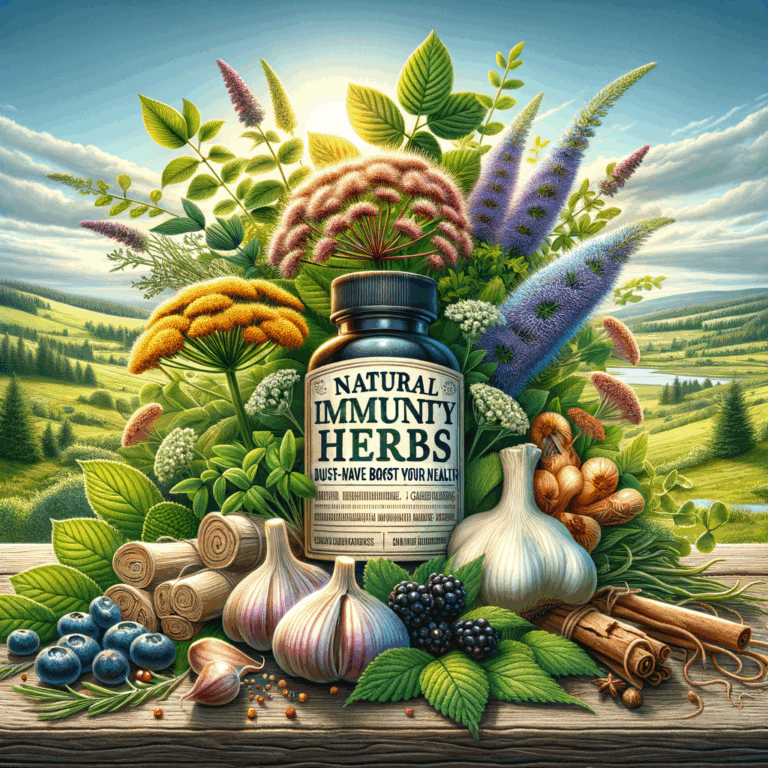
Some of the most well-researched antiviral herbs include elderberry, echinacea, and garlic. Each of these herbs comes with its own unique benefits and mechanisms for supporting your health, making them must-haves for anyone looking to enhance their wellness naturally.
The Benefits of Elderberry
Elderberry ranks high on the list of antiviral herbs. This dark berry is rich in antioxidants, particularly flavonoids, which have been shown to boost the immune system effectively. Research suggests that elderberry can shorten the duration of cold and flu symptoms.
Consuming elderberry extract or syrup can provide relief for respiratory issues, too. Many modern formulations combine elderberry with other immune-supportive ingredients, making it a versatile addition to your health arsenal. Given its potent effects, elderberry is especially popular during cold and flu season.
Echinacea: An Immune Support Powerhouse
Echinacea is another popular antiviral herb renowned for its immune-boosting properties. Studies indicate that it can reduce the risk of catching a cold and may help decrease the severity of symptoms if you do fall ill. It works by enhancing your body’s natural defenses, stimulating the production of white blood cells.
For best results, consider taking echinacea supplements at the first sign of illness. It’s available in various forms, including capsules, teas, and tinctures. Choosing the right form for your lifestyle makes it easy to integrate this powerhouse herb into your daily routine.
Garlic: A Culinary Delight with Health Benefits
Garlic is not just a culinary staple; it’s also a powerful antiviral herb. This pungent bulb contains allicin, a compound known for its antimicrobial and antiviral properties. Garlic supports cardiovascular health, too, making it a comprehensive wellness ally.
Including fresh garlic in your meals can help you take advantage of its health benefits. You can also find garlic supplements if you prefer a more concentrated form. Whether you add it to your favorite dishes or take it as a supplement, garlic is a delicious way to promote wellness.
Other Effective Antiviral Herbs
While elderberry, echinacea, and garlic are well-known antiviral herbs, many others deserve a mention. Here’s a brief overview:
| Herb | Benefits |
|————–|—————————————–|
| Oregano | Contains carvacrol, which has antiviral effects; also supports digestive health. |
| Ginger | Known for anti-inflammatory properties; can help soothe colds and flus. |
| Thyme | Rich in thymol, which has antiviral properties; supports respiratory health. |
| Cat’s Claw | Boosts immune function and has anti-inflammatory properties. |
| Licorice Root| Contains glycyrrhizin, which can inhibit viral replication. |
Incorporating a variety of these herbs into your daily routine can maximize their health benefits. Look for ways to blend them into meals, teas, and supplements.
How to Use Antiviral Herbs
Using antiviral herbs can be simple and rewarding. Here are a few practical ways to include them in your life:
1. Herbal Teas: Brew a soothing tea using dried herbs like echinacea or ginger. This is a great way to relax while boosting your immune system.
2. Smoothies: Add powdered elderberry or fresh garlic to your smoothies. You can combine several antiviral herbs for a nutrient-packed beverage.
3. Cooking: Incorporate fresh herbs into your meals. Garlic, oregano, and thyme enhance flavor while providing health benefits.
4. Supplements: If you prefer a more concentrated dose, look for high-quality supplements. Always consult a healthcare provider before starting any new regimen.
Safety and Precautions
While antiviral herbs can improve health, it’s vital to use them wisely. Some herbs may interact with medications or cause unwanted side effects. For instance, excessive garlic consumption can lead to gastrointestinal issues.
Monitor your body’s response when introducing new herbs. If you experience any adverse symptoms, discontinue use and consult a healthcare professional. Pregnant or breastfeeding women should also seek advice before using any herbal supplements.
Conclusion
Integrating antiviral herbs into your wellness routine is a rewarding endeavor. These natural remedies offer numerous health benefits that can help strengthen your immune system and support overall well-being. By selecting a variety of herbs, you can enhance your health and make proactive choices toward a healthier lifestyle.
FAQs
1. What are antiviral herbs?
Antiviral herbs are plants that possess compounds known to inhibit viral replication and support the immune system.
2. How do I consume antiviral herbs?
You can consume them as teas, in meals, or as supplements.
3. Are there any side effects of antiviral herbs?
Some herbs can cause gastrointestinal discomfort or interact with medications. Always consult a healthcare provider.
4. Can I use multiple antiviral herbs together?
Yes! Combining various herbs can enhance their benefits and improve overall health.
5. How quickly do antiviral herbs work?
The effects can vary. Some may provide quick relief from symptoms, while others may work best as preventive measures.
6. Are antiviral herbs safe during pregnancy?
Consult your healthcare provider before using any herbal remedies during pregnancy.
7. Can children use antiviral herbs?
It depends on the herb and dosage. Always seek guidance from a pediatrician.
8. Can antiviral herbs replace vaccines or medications?
No, herbs should complement, not replace conventional treatments or vaccines.
9. What is the best way to store herbal supplements?
Store them in a cool, dark place, away from moisture and direct sunlight.
10. How do I know which antiviral herb to choose?
Choosing depends on your health goals, preferences, and potential interactions with medications. A healthcare provider can help.
References
1. National Center for Complementary and Integrative Health (NCCIH) – Echinacea
2. Healthline – Elderberry Benefits
3. WebMD – Garlic: Health Benefits
4. Journal of Nutrition – Herbs and Immune Function
By making the most of these antiviral herbs, you can take significant steps toward effortless wellness. Remember, nature offers powerful solutions; it’s up to us to embrace them!
About the Author