- Understanding Antiviral Herbs
- Why Choose Antiviral Herbs?
- Top Antiviral Herbs You Should Know
- 1. Elderberry
- 2. Echinacea
- 3. Garlic
- How to Use Antiviral Herbs
- Tea Blends
- Cooking
- Supplements
- The Science Behind Antiviral Herbs
- Precautions When Using Antiviral Herbs
- The Future of Antiviral Herbs in Healthcare
- Frequently Asked Questions (FAQs)
- References
Understanding Antiviral Herbs
Antiviral herbs have gained attention for their potential to support the immune system and combat various viral infections. They offer a natural alternative to conventional medications, making them increasingly popular in holistic health practices. Many people appreciate their ability to harness nature’s power for healing. This article explores the most effective antiviral herbs, how they work, and practical uses to incorporate them into your wellness routine.
Why Choose Antiviral Herbs?
In today’s world, many seek natural remedies to boost their health. Antiviral herbs provide a holistic approach, targeting viruses while minimizing side effects. Unlike pharmaceutical drugs, these herbs often come with fewer risks and can improve overall wellness. Understanding their benefits is essential for anyone interested in natural healing.
Moreover, using antiviral herbs can enhance your body’s defenses. Many of these herbs contain compounds that stimulate the immune system. By adding them to your health regimen, you might find yourself fighting off illnesses more effectively. This can lead to reduced reliance on over-the-counter medications, saving you both time and money.
Top Antiviral Herbs You Should Know
Exploring the world of antiviral herbs is exciting, as many options are available. Here are some of the most prominent antiviral herbs you can consider incorporating into your health routine:
1. Elderberry
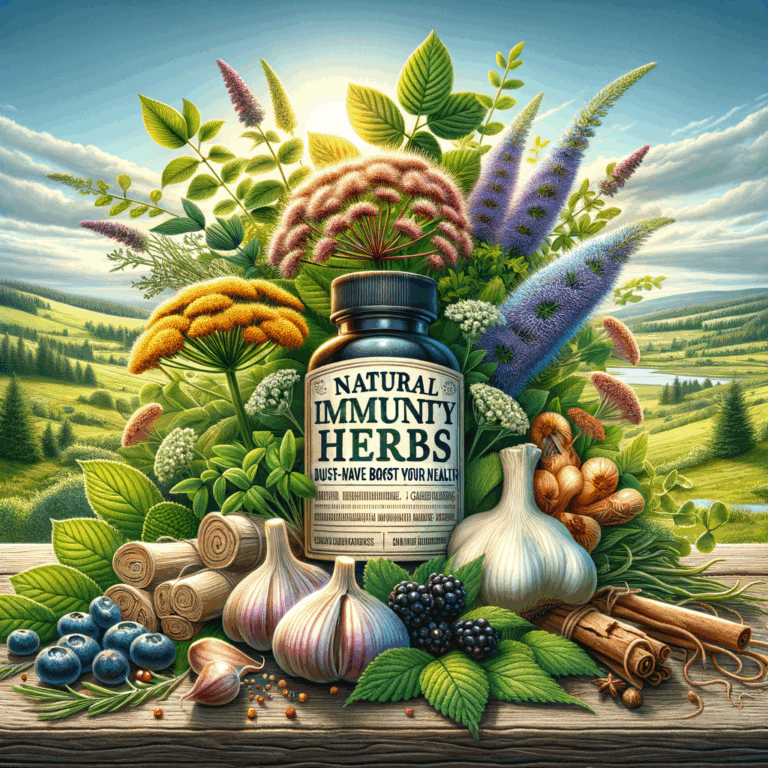
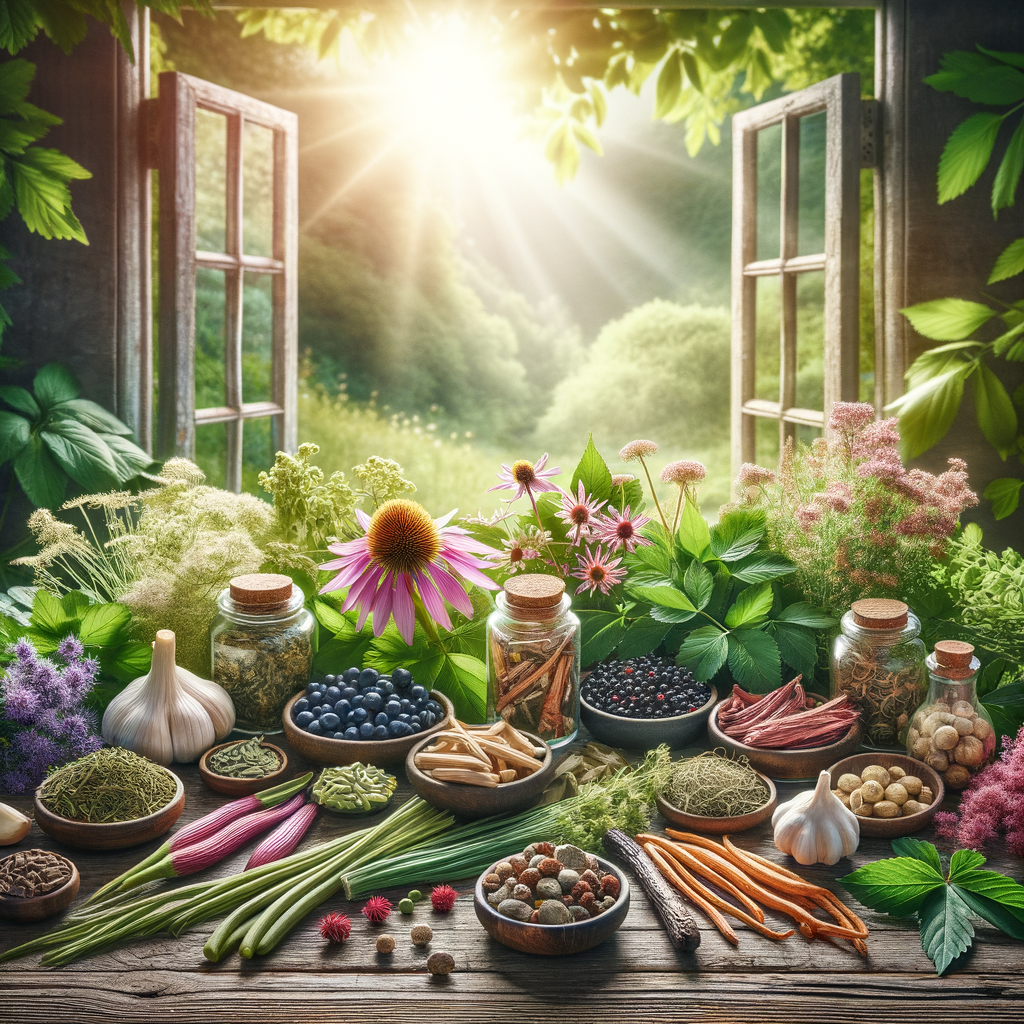
Elderberry has long been celebrated for its immune-boosting properties. It is rich in antioxidants and vitamins that help your body fight off viruses. Studies have shown that elderberry can effectively shorten the duration of colds and flu. You can consume elderberry as a syrup, tea, or supplement.
2. Echinacea
Echinacea is another powerful herb known for its ability to fight infections. It stimulates the immune system and helps reduce inflammation. Many people find it effective for treating respiratory infections and sore throats. You can enjoy echinacea as a tea, tincture, or capsule.
3. Garlic
Garlic is often hailed as a superfood with extensive health benefits. It contains allicin, a compound with antiviral properties. Regular consumption of garlic may help reduce the severity of colds and other viral infections. Adding fresh garlic to your meals is a tasty and nutritious way to incorporate this herb into your diet.
| Herb | Key Benefits | Forms Available |
|————|————————————————|——————————-|
| Elderberry | Immune support, reduces cold duration | Syrup, tea, supplement |
| Echinacea | Fights infections, reduces inflammation | Tea, tincture, capsule |
| Garlic | Antiviral properties, enhances immune function | Fresh, capsules, supplements |
How to Use Antiviral Herbs
Incorporating these antiviral herbs into your daily life isn’t challenging. You can easily include them in various recipes, drinks, and supplements. Here are some simple ways to enjoy their benefits:
Tea Blends
Creating herbal teas is a delightful way to consume antiviral herbs. Combine elderberry and echinacea to make a soothing tea. Simply steep the herbs in hot water for about 10 minutes. Sweeten with honey to enhance flavor and boost immunity.
Cooking
Use garlic in your cooking to enjoy its antiviral benefits. Whether in a pasta dish, stir-fry, or salad dressing, garlic adds flavor and health benefits. Roasting garlic brings out its sweetness, making it more enjoyable for those who might not prefer its raw taste.
Supplements
If you find it challenging to incorporate herbs into your diet, consider supplements. Many health stores offer elderberry syrup, echinacea capsules, and garlic extracts. Always consult a healthcare provider before starting any new supplements, especially if you’re on medication.
The Science Behind Antiviral Herbs
Antiviral herbs contain bioactive compounds that can inhibit viral replication. For instance, elderberry has shown potential in blocking the entry of viruses into healthy cells. Research has indicated that echinacea may enhance the production of white blood cells, crucial for fighting infections.
Garlic’s allicin is a notable player in the antiviral arena. Studies have suggested that allicin can disrupt the life cycle of certain viruses. By understanding how these herbs work at a molecular level, we can appreciate their role in supporting our health.
Precautions When Using Antiviral Herbs
While antiviral herbs can be beneficial, it’s essential to approach them with care. Always consult a healthcare professional, especially if you are pregnant, nursing, or taking medications. Some herbs may interact with medications, so it’s crucial to ensure safety.
Additionally, consider starting with small doses. Monitor your body’s response and increase gradually if needed. This approach allows you to observe any potential side effects or allergies. Lastly, remember that these herbs should complement, not replace, prescribed treatments.
The Future of Antiviral Herbs in Healthcare
As more people turn to natural remedies, the interest in antiviral herbs is growing. Research is continually evolving, and scientists are increasingly focusing on herbal medicine’s role in healthcare. With advancements in technology, we can expect more studies to validate herbal effectiveness.
The future may see herbal remedies integrated alongside traditional medicine. This combination can provide individuals with more options for achieving their health goals. As consumers become more conscious of their health choices, the demand for antiviral herbs will likely increase.
Frequently Asked Questions (FAQs)
1. Can antiviral herbs replace conventional medicine?
Antiviral herbs can complement traditional medicine but should not replace it. Consult a healthcare provider for serious conditions.
2. How long does it take for antiviral herbs to work?
The effectiveness can vary based on the herb and individual. Some may experience benefits within days, while others might take longer.
3. Are there any side effects related to antiviral herbs?
While generally safe, some may cause allergic reactions or interact with medications. Always take with caution and consult a professional.
4. Can I use multiple antiviral herbs together?
Yes, using a combination of antiviral herbs can boost their effects. However, do so under the guidance of a healthcare provider.
5. Where can I buy antiviral herbs?
You can find antiviral herbs in health food stores, pharmacies, or online retailers. Ensure they are sourced from reputable brands.
6. How should I store herbal teas and supplements?
Store in a cool, dry place, away from direct sunlight. This preserves their potency and extends shelf life.
7. Are there any antiviral herbs that I should avoid?
Some herbs may not be suitable for everyone. Consult with a healthcare provider to determine what’s best for your situation.
8. How can I incorporate these herbs into my daily routine?
You can drink herbal teas, include them in meals, or take supplements as directed. Experiment to find what works best for you.
9. Is it safe to use antiviral herbs for children?
Children can occasionally benefit from certain herbs, but always consult a pediatric specialist before introducing them to your child.
10. Can I grow antiviral herbs at home?
Yes! Many antiviral herbs, such as garlic and echinacea, can be easily grown in home gardens or containers.
References
– National Center for Complementary and Integrative Health NCCIH
– Journal of Medical Microbiology – “Antiviral herbs: Mechanisms and effects”
– Herbal Medicine – “A guide to the world’s medicinal plants and its applications”
– Journal of Alternative and Complementary Medicine – “Elderberry and Echinacea: Efficacy in treating upper respiratory infections”
– PubMed Central – “Natural products as antiviral agents”
Integrating antiviral herbs into your health plan can be an empowering choice. Take this opportunity to explore the various options available, and enjoy the journey toward effortless healing.
About the Author