- Understanding Anxiety and Its Impact
- The Benefits of Herbal Treatments
- Common Herbs for Anxiety Relief
- 1. Chamomile
- 2. Lavender
- 3. Valerian Root
- How to Use Herbs Safely
- Combining Herbs with Lifestyle Changes
- The Role of Aromatherapy
- Herbal Supplements vs. Traditional Medicine
- Making Informed Choices
- Creating a Personalized Herbal Plan
- Conclusion
- FAQs
- References
Understanding Anxiety and Its Impact
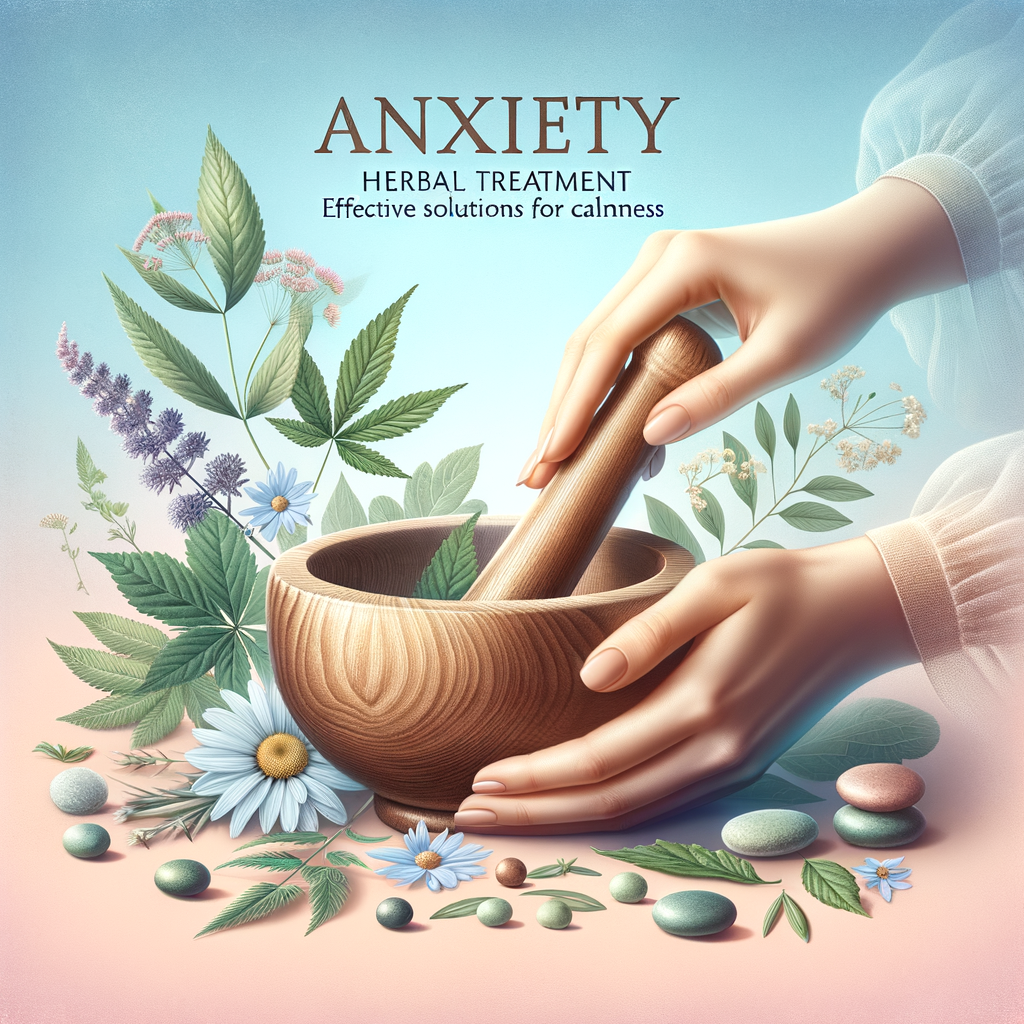
Anxiety herbal treatment offers a natural alternative for those seeking relief from anxiety symptoms. Anxiety affects millions globally, manifesting as constant worry, restlessness, or physical symptoms like a rapid heartbeat. This state of unease can hinder daily activities and lead to more serious mental health issues if not addressed.
Understanding the root causes of anxiety can help individuals make informed decisions about treatment options. Stressful life events, genetics, and even physical health can contribute. Acknowledging these factors encourages individuals to explore various paths, including herbal solutions.
The Benefits of Herbal Treatments
Herbal remedies have been used for centuries to alleviate anxiety. They offer natural compounds that can ease stress without the side effects often associated with pharmaceutical drugs. Many people prefer these options for their gentler effects on the body and mind.
Additionally, certain herbs have proven calming effects. They can help restore a sense of balance and tranquility. Integrating these natural treatments can also be an excellent complementary approach alongside other therapies.
Common Herbs for Anxiety Relief
1. Chamomile
Chamomile is a well-known herb for promoting relaxation. Studies show it may reduce anxiety and improve sleep quality. You can easily enjoy chamomile as a tea or in supplement form. It acts by interacting with neurotransmitters in the brain, which helps lower stress levels.
2. Lavender
Lavender is famous for its calming aroma. Research indicates that lavender oil can effectively reduce anxiety levels. You can use lavender oil in aromatherapy, add it to baths, or even use it in massage oils. Its soothing properties create a tranquil atmosphere, promoting ease and comfort.
3. Valerian Root
Valerian root is often used to treat insomnia but also aids anxiety. This herb helps relax the nervous system, making it a good choice for those struggling with anxiety-induced restlessness. You can find it in teas, capsules, or tinctures, making it widely available and easy to consume.
How to Use Herbs Safely
While anxiety herbal treatments can be beneficial, it’s essential to use them properly. Always consult with a healthcare professional before starting any herbal regimen, especially if you’re pregnant, nursing, or taking medications. This step ensures there are no contraindications or potential interactions.
Additionally, starting with small doses is wise to monitor how your body reacts. Once you understand how a specific herb affects you, you may adjust the dosage accordingly. Keeping a journal to track your anxiety levels and any changes noticed can also be useful.
Combining Herbs with Lifestyle Changes
Combining anxiety herbal treatment with lifestyle changes can enhance their effects. Regular exercise, a balanced diet, and adequate sleep can significantly impact anxiety levels. When you incorporate these healthy habits, you create a holistic approach to managing anxiety.
Moreover, mindfulness practices such as meditation and deep-breathing exercises can greatly benefit your mental state. By integrating these strategies, you can cultivate a more peaceful mind and stronger emotional resilience.
The Role of Aromatherapy
Aromatherapy is another effective way to use herbal treatments for anxiety. Essential oils, such as lavender and bergamot, have calming properties. You can diffuse these oils in your home, apply them topically, or add them to your bath. The gentle scents can soothe your mind and body, helping you feel more centered.
Creating a calming space in your home can enhance these treatments. Consider using soft lighting, comfortable seating, and soothing colors. This environment can further support your efforts to reduce anxiety and cultivate a sense of calm.
Herbal Supplements vs. Traditional Medicine
When comparing anxiety herbal treatment to traditional medications, it’s crucial to understand the differences. Herbal remedies typically offer milder effects and fewer side effects than prescription medications. However, they often require consistent use over time to see significant results.
Conversely, traditional medications can provide quicker relief but may also come with side effects. The choice between these options largely depends on individual preferences, severity of symptoms, and lifestyle factors.
Making Informed Choices
Before pursuing any treatment, research is critical. Learn about the specific herbs that interest you, including their preparation methods and potential side effects. Reliable sources can help clarify whether an herb is right for your situation.
It’s also essential to purchase high-quality products from reputable suppliers. Low-quality herbs might not provide the desired effects. Certifications and consumer reviews can be valuable when selecting products.
Creating a Personalized Herbal Plan
Developing a personalized plan for anxiety herbal treatment can enhance the effectiveness of the remedies. Start by identifying your primary anxiety triggers and symptoms. Next, choose the herbs that resonate with you and fit your lifestyle.
Consider also how you will incorporate them into your daily routine. This could be through teas in the morning, capsules at lunch, or oils before bed. Keeping it simple helps ensure consistency and increases your chances of success in managing anxiety.
Conclusion
Anxiety herbal treatment offers effective solutions for those seeking calmness. With proper understanding and mindful application, herbs can help ease anxiety symptoms. As you explore your options, grow confident in your journey towards a more peaceful mind and body.
FAQs
1. What is the best herbal treatment for anxiety?
The best option depends on the individual. Chamomile, lavender, and valerian root are popular choices known for their calming effects.
2. How do I use herbal treatments safely?
Always consult a healthcare professional before starting any herbal remedies. Start with small doses and monitor your body’s reactions.
3. Can I take herbal treatments with anxiety medications?
Consult your doctor first, as some herbal remedies can interact with medications.
4. How long does it take for herbs to work?
Effects may vary. Some people notice changes within days, while others take weeks to see benefits.
5. Can I combine different herbs for better results?
Yes, but do so carefully. Research each herb and consult a healthcare professional to ensure safety.
6. Are herbal treatments effective for severe anxiety?
They can help mild to moderate anxiety. Severe cases may require additional interventions from healthcare providers.
7. How do I choose high-quality herbal products?
Look for reputable brands, read reviews, and ensure they have certifications for quality and safety.
8. Can herbal treatments replace therapy?
Herbal remedies can complement therapy but should not replace professional mental health support.
9. Is it normal to experience side effects from herbal treatments?
While generally gentle, some people may experience side effects. Monitor your reactions, and consult a professional if needed.
10. Where can I find these herbs?
You can find them in health food stores, online retailers, and some pharmacies. Always choose reputable sources.
References
1. National Center for Complementary and Integrative Health: NCCIH
2. Mayo Clinic: Herbal Remedies
3. Healthline: Anxiety and Herbal Medicine
4. WebMD: Herbs for Anxiety
Exploring anxiety herbal treatment can pave the way for a calmer, more peaceful life. Remember, every individual’s journey is unique, so finding what works best for you is the key!
About the Author