- Understanding Blood Sugar: The Importance of Balance
- Common Blood Sugar Herbs
- 1. Cinnamon
- 2. Fenugreek
- 3. Bitter Melon
- 4. Gymnema Sylvestre
- 5. Turmeric
- Incorporating Blood Sugar Herbs into Your Diet
- Create Spicy Dishes with Cinnamon
- Add Fenugreek to Your Cooking
- Experiment with Bitter Melon
- Use Turmeric Frequently
- Lifestyle Changes for Optimal Blood Sugar Control
- Maintain a Balanced Diet
- Regular Physical Activity
- Stay Hydrated
- Get Quality Sleep
- Holistic Approaches to Blood Sugar Management
- Stress Management
- Mindful Eating
- Regular Monitoring
- Potential Side Effects and Precautions
- 1. Cinnamon
- 2. Fenugreek
- 3. Bitter Melon
- 4. Gymnema Sylvestre
- 5. Turmeric
- Frequently Asked Questions (FAQs)
- 1. Can I take blood sugar herbs along with my medications?
- 2. How long does it take to see results from blood sugar herbs?
- 3. Are there any specific diets I should follow when using these herbs?
- 4. How should I store blood sugar herbs?
- 5. Can I use blood sugar herbs preventively?
- 6. Are there any side effects from blood sugar herbs?
- 7. Can I combine different blood sugar herbs?
- 8. Is there a recommended daily intake for these herbs?
- 9. Can blood sugar herbs replace medication?
- 10. Where can I find quality blood sugar herbs?
- Conclusion
- References
Understanding Blood Sugar: The Importance of Balance
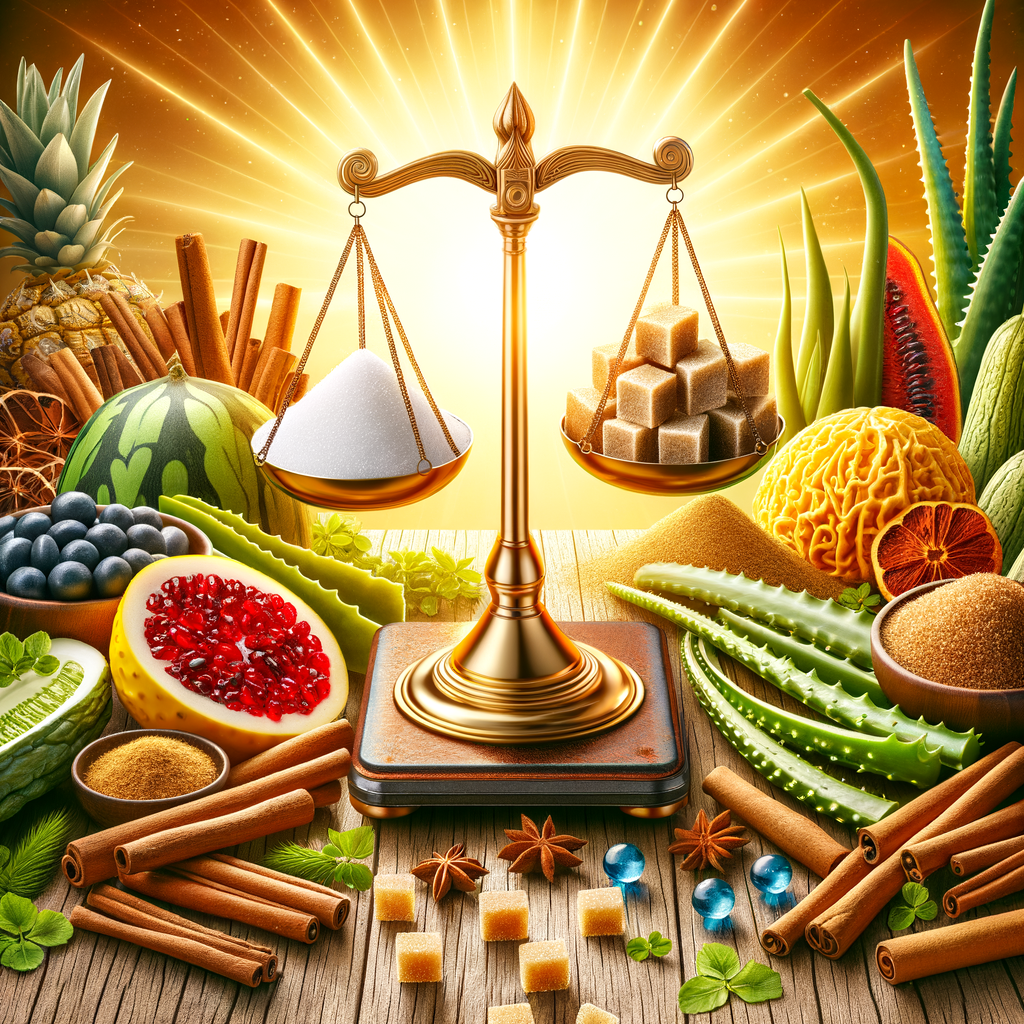
Blood sugar herbs are gaining attention as a natural solution to managing blood sugar levels. Our bodies rely on blood glucose as a primary energy source. However, when levels fluctuate too much, it can lead to health problems. Maintaining a balanced blood sugar level is crucial for overall well-being.
Many people turn to lifestyle changes, diets, and even medication to help keep their blood sugar in check. However, integrating specific herbs into your daily routine can significantly complement these efforts. These natural ingredients not only add flavor but also offer health benefits that can support your body in regulating blood sugar levels.
Common Blood Sugar Herbs
When considering blood sugar herbs, you might wonder which are the most effective. Scientific research highlights various herbs known for their blood sugar-lowering properties. Let’s explore some of the most popular options:
1. Cinnamon
Cinnamon stands out as a widely recognized blood sugar herb. Research suggests that it can enhance insulin sensitivity and lower blood sugar levels. Incorporating cinnamon into your meals can help stabilize your blood glucose.
– How to Use: Sprinkle ground cinnamon on oatmeal, add it to smoothies, or mix it into yogurt.
2. Fenugreek
Fenugreek seeds are power-packed with soluble fiber, contributing to better glucose control. They help slow down the absorption of sugars in the digestive tract. This way, they may keep your blood sugar stable.
– How to Use: You can consume fenugreek as seeds or in powdered form. Try adding it to soups or stews.
3. Bitter Melon
Bitter melon, often used in Asian cuisines, is another impressive blood sugar herb. It contains compounds similar to insulin and may improve glucose uptake in cells. Additionally, it boasts numerous phytonutrients beneficial for health.
– How to Use: Bitter melon can be consumed fresh or juiced. It’s also available in supplement form.
4. Gymnema Sylvestre
Gymnema Sylvestre, also known as “sugar destroyer,” has a long history in traditional medicine. It helps reduce sugar cravings and supports insulin production in the pancreas.
– How to Use: Available in capsule or liquid extract forms, Gymnema can be taken daily to aid blood sugar control.
5. Turmeric
Turmeric contains curcumin, which has anti-inflammatory properties and potential blood sugar-lowering effects. This herb can improve insulin sensitivity and reduce insulin resistance.
– How to Use: Add turmeric to curries, soups, or smoothies. Consider using it as a supplement for added benefits.
Incorporating Blood Sugar Herbs into Your Diet
Incorporating blood sugar herbs into your daily meals doesn’t have to be complicated. Start by making small adjustments to your existing recipes. Here are several practical tips:
Create Spicy Dishes with Cinnamon
Cinnamon offers a warm flavor that fits well in both sweet and savory dishes. Use it in oatmeal, smoothies, or even savory recipes like chili.
Add Fenugreek to Your Cooking
Consider including fenugreek in stews or lentil dishes. Its slightly nutty flavor complements many recipes.
Experiment with Bitter Melon
If you’re venturing into new flavors, give bitter melon a try. It pairs well with eggs or can be stir-fried with other vegetables.
Use Turmeric Frequently
Turmeric not only adds color but also boosts health benefits. Mix turmeric into rice or as a seasoning for roasted vegetables.
Lifestyle Changes for Optimal Blood Sugar Control
Beyond the power of herbs, other lifestyle adjustments can further improve blood sugar control. Here are some effective strategies:
Maintain a Balanced Diet
Choose whole foods over processed ones. Incorporate plenty of fruits, vegetables, lean proteins, and healthy fats. A well-rounded diet helps keep blood sugar stable.
Regular Physical Activity
Exercise can increase insulin sensitivity and lower blood sugar levels. Aim for at least 150 minutes of moderate activity each week. Activities like walking, swimming, or cycling can be effective.
Stay Hydrated
Drinking enough water aids in overall health and helps regulate blood sugar. Aim for at least eight glasses of water daily.
Get Quality Sleep
Lack of sleep affects your body’s ability to regulate blood sugar. Ensure you get at least 7-9 hours of quality rest each night.
Holistic Approaches to Blood Sugar Management
Combining the power of blood sugar herbs with other holistic approaches can amplify results. Here are some approaches to consider:
Stress Management
Chronic stress can negatively impact blood sugar levels. Engage in stress-reducing activities like meditation, yoga, or deep breathing exercises.
Mindful Eating
Practice mindful eating habits. Focus on your meals without distractions. This approach encourages better food choices and portion control.
Regular Monitoring
Track your blood sugar levels regularly. This monitoring helps you understand how certain foods, herbs, and activities affect your glucose levels.
Potential Side Effects and Precautions
Although blood sugar herbs can offer benefits, it’s essential to be aware of potential side effects. Each herb has its own set of precautions.
1. Cinnamon
Excessive consumption of cinnamon, especially Cassia cinnamon, may lead to liver damage. Aim for moderate usage and choose Ceylon cinnamon when possible.
2. Fenugreek
Fenugreek can cause digestive issues like bloating and gas in some individuals. Start with small doses to monitor your body’s response.
3. Bitter Melon
Bitter melon may lower blood sugar too much, especially when combined with diabetes medications. Always consult with a healthcare provider before adding it to your routine.
4. Gymnema Sylvestre
While generally safe, Gymnema can interact with medications. Discuss with your doctor if you’re on diabetes medication.
5. Turmeric
High dosages of turmeric can lead to stomach upset. Stick to recommended doses to avoid adverse effects.
Frequently Asked Questions (FAQs)
1. Can I take blood sugar herbs along with my medications?
Always consult your healthcare provider before mixing herbs with medications. Some herbs may interact with prescribed treatments.
2. How long does it take to see results from blood sugar herbs?
Results may vary, but many people notice improvements within a few weeks. Consistency is key.
3. Are there any specific diets I should follow when using these herbs?
A balanced diet rich in fiber, lean protein, and healthy fats complements the use of blood sugar herbs.
4. How should I store blood sugar herbs?
Store herbs in a cool, dry place. Keep them in airtight containers to maintain freshness.
5. Can I use blood sugar herbs preventively?
Yes, many people use these herbs as preventive measures against blood sugar spikes, even if they don’t have diabetes.
6. Are there any side effects from blood sugar herbs?
Most herbs have few side effects if taken in moderation. However, some individuals may experience digestive issues.
7. Can I combine different blood sugar herbs?
Yes, combining herbs can enhance their benefits. Just ensure none interact negatively with each other.
8. Is there a recommended daily intake for these herbs?
It varies by herb. It’s best to follow guidelines on supplements or consult a healthcare provider for dosages.
9. Can blood sugar herbs replace medication?
While beneficial, herbs should not replace prescribed medications. Always consult your doctor for professional guidance.
10. Where can I find quality blood sugar herbs?
Look for reputable health stores, online retailers, or local markets that specialize in herbs and supplements. Quality matters.
Conclusion
Blood sugar herbs can play a significant role in achieving better health. Their natural properties support blood sugar regulation and complement lifestyle changes. Remember to make gradual changes and consult healthcare professionals when incorporating new elements into your routine. With the right balance, you can empower your journey toward optimal health and wellness.
References
1. National Center for Complementary and Integrative Health. (n.d.). Cinnamon.
2. U.S. National Library of Medicine. (2022). Fenugreek.
3. WebMD. (2022). Bitter Melon.
4. Healthline. (2023). Gymnema Sylvestre.
5. Medical News Today. (2023). Turmeric.
About the Author