- Understanding Cholesterol and Its Types
- The Role of Herbs in Managing Cholesterol
- Must-Have Cholesterol Herbs
- 1. Garlic
- 2. Turmeric
- 3. Ginger
- 4. Cinnamon
- 5. Green Tea
- Lifestyle Changes to Support Cholesterol Management
- Dietary Adjustments
- Regular Physical Activity
- Stress Management
- Frequently Asked Questions
- 1. Can cholesterol herbs replace medications?
- 2. How long does it take to see results from cholesterol herbs?
- 3. Are there any side effects of using cholesterol herbs?
- 4. How can I incorporate these herbs into my diet?
- 5. Is it safe to take multiple cholesterol herbs together?
- 6. Can herbal remedies lower cholesterol alone?
- 7. Are all garlic supplements the same?
- 8. Does exercise help lower cholesterol?
- 9. Can stress raise cholesterol levels?
- 10. How often should I get my cholesterol tested?
- Conclusion
- References
Understanding Cholesterol and Its Types
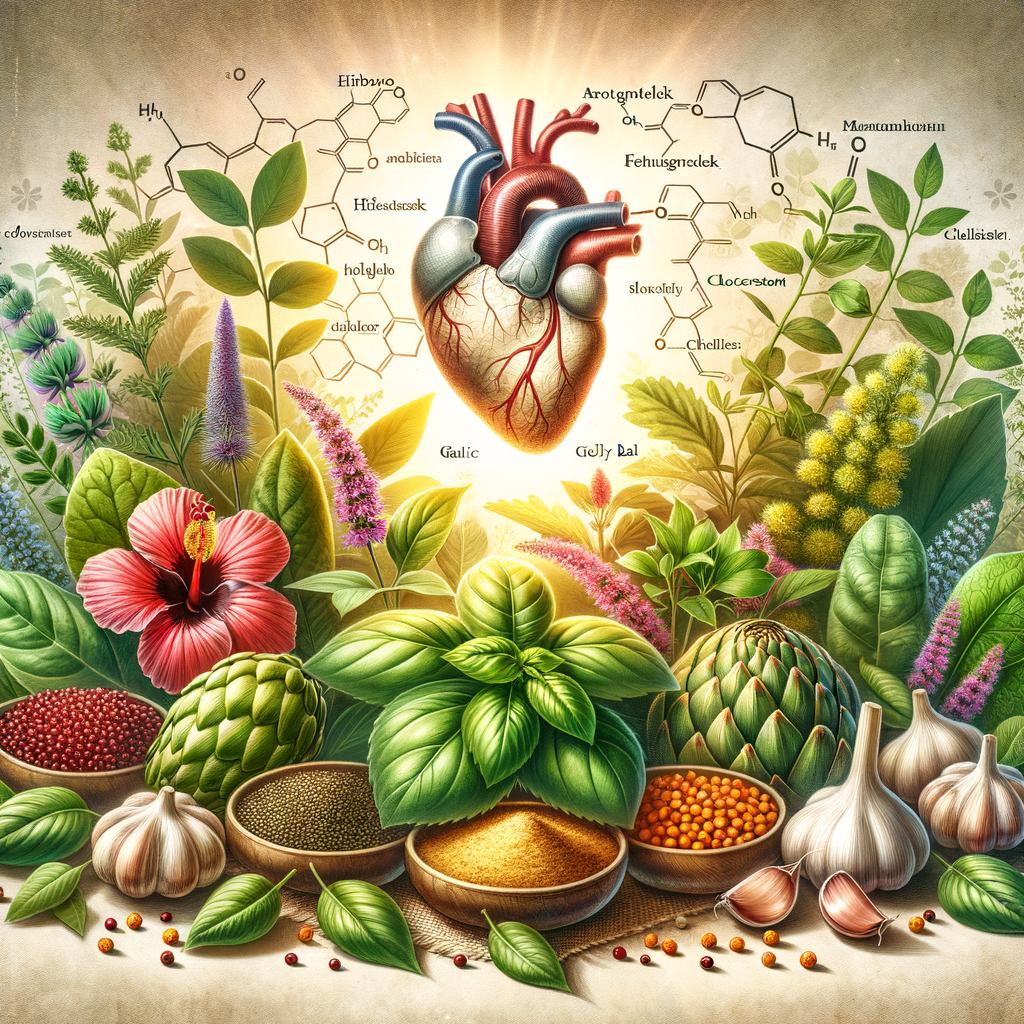
Cholesterol herbs are gaining attention for their potential to help maintain healthy cholesterol levels. Before diving into the remedies, let’s clarify what cholesterol is. Cholesterol is a waxy substance found in your body. Your liver produces it, and it also comes from certain foods. While your body needs cholesterol to build cells, high levels can increase the risk of heart disease.
Cholesterol exists in two forms: LDL (low-density lipoprotein) and HDL (high-density lipoprotein). LDL is often termed “bad cholesterol.” It can build up in your arteries, leading to blockages. On the other hand, HDL is known as “good cholesterol,” as it helps remove LDL from the bloodstream. Balancing these two types is essential for maintaining heart health.
The Role of Herbs in Managing Cholesterol
Using cholesterol herbs can be a natural way to manage your levels. Many herbs contain compounds that can positively influence cholesterol levels. They may help reduce LDL cholesterol or increase HDL cholesterol. Research shows that incorporating these herbs can provide beneficial effects without the side effects often associated with medications.
Adding cholesterol herbs to your daily routine can be simple. You can brew them into teas, incorporate them into meals, or take them as supplements. Regardless of how you choose to consume them, these herbs can complement a heart-healthy lifestyle.
Must-Have Cholesterol Herbs
1. Garlic
Garlic is more than just a flavorful addition to your meals; it’s a powerhouse for heart health. Studies suggest that garlic can lower LDL cholesterol levels and has a positive effect on overall cardiovascular health. The active compound allicin contributes to these benefits.
Incorporating garlic into your diet is easy. You can use fresh garlic in cooking, take garlic capsules, or drink garlic-infused water. Aim for about one to two cloves per day to reap the benefits.
2. Turmeric
Turmeric, often known for its vibrant yellow color, is another fantastic option. Curcumin, the active ingredient in turmeric, has been shown to improve cholesterol levels. It acts as an anti-inflammatory and antioxidant, promoting better overall heart health.
You can incorporate turmeric into your meals, smoothies, or teas. Consider mixing it with black pepper to enhance its effectiveness. Regular consumption may lead to improved cholesterol levels over time.
3. Ginger
Ginger is a beloved spice with multiple health benefits, including regulating cholesterol levels. Research shows that ginger can lower LDL cholesterol and increase HDL cholesterol. It can also promote better circulation and a healthy digestive system.
Adding fresh ginger to teas, stir-fries, or salads can be a delightful way to enjoy its benefits. Aim for 1 to 2 grams of ginger daily for optimal effects.
4. Cinnamon
Cinnamon is not just a sweet spice for desserts; it has beneficial properties for cholesterol management. Some studies indicate that cinnamon can lower total cholesterol, LDL cholesterol, and triglycerides.
You can sprinkle cinnamon on oatmeal, mix it into smoothies, or add it to your coffee. About a half teaspoon per day is sufficient to see potential benefits.
5. Green Tea
Green tea is well-known for its health benefits, particularly for the heart. Rich in antioxidants, it has been shown to reduce LDL cholesterol while increasing HDL cholesterol. The presence of catechins contributes significantly to these effects.
Drinking two to three cups of green tea daily can help improve your cholesterol levels. You can enjoy it hot or iced, depending on your preference.
Lifestyle Changes to Support Cholesterol Management
While cholesterol herbs are a great addition, lifestyle changes play a crucial role in managing cholesterol levels effectively. Here are some changes you can implement:
Dietary Adjustments
1. Increase Fiber Intake: Foods high in soluble fiber, such as oats, beans, and fruits, help lower cholesterol.
2. Limit Saturated and Trans Fats: These fats can raise LDL cholesterol levels. Opt for healthier fats like those in avocados and nuts.
3. Include More Omega-3 Fatty Acids: Foods such as fatty fish, walnuts, and flaxseeds can improve heart health.
Regular Physical Activity
Staying active contributes significantly to managing cholesterol levels. Aim for at least 150 minutes of moderate-intensity exercise each week. Walking, swimming, and cycling are great options. Physical activity can help raise HDL cholesterol and lower LDL levels.
Stress Management
High stress can negatively affect your cholesterol levels. Incorporating relaxation techniques such as yoga, meditation, or deep breathing can help reduce stress and improve heart health.
Frequently Asked Questions
1. Can cholesterol herbs replace medications?
While cholesterol herbs can help manage levels, they should not replace prescribed medications. Consult your healthcare provider for guidance.
2. How long does it take to see results from cholesterol herbs?
Results vary by individual, but you may notice improvements within a few weeks to months of regular use.
3. Are there any side effects of using cholesterol herbs?
Most herbal remedies are safe, but some may interact with medications. Always consult a healthcare professional before starting new remedies.
4. How can I incorporate these herbs into my diet?
You can use herbs by adding them to meals, making teas, or taking supplements following recommended dosages.
5. Is it safe to take multiple cholesterol herbs together?
Generally, combining them is safe, but it’s best to check with a healthcare provider, especially if you are on medication.
6. Can herbal remedies lower cholesterol alone?
While they can be effective, lifestyle changes and diet are essential for optimal results. Herbs work best as part of a broader strategy.
7. Are all garlic supplements the same?
Not all supplements contain the same amount of allicin. Look for standardized extracts to ensure you get the benefits.
8. Does exercise help lower cholesterol?
Yes, regular exercise can significantly improve cholesterol levels, particularly increasing HDL cholesterol.
9. Can stress raise cholesterol levels?
Yes, prolonged stress can contribute to unhealthy cholesterol levels.
10. How often should I get my cholesterol tested?
It’s generally recommended to get your cholesterol levels checked every four to six years, but consult your doctor for personalized advice.
Conclusion
Cholesterol herbs offer a natural way to support heart health and manage cholesterol levels. By incorporating herbs like garlic, turmeric, and ginger alongside lifestyle changes, you create a sustainable path toward better health. Always consult with a healthcare professional before making any significant changes to your health regimen.
References
– Mayo Clinic: Cholesterol Levels: What They Mean
– WebMD: Natural Ways to Manage Cholesterol
– Healthline: Herbs for Lowering Cholesterol
Incorporating these natural remedies into your lifestyle could lead to significant improvements in your cholesterol levels and overall heart health. Embrace this journey toward a healthier you!
About the Author