- Understanding Circulation Herbs
- The Importance of Good Circulation
- Popular Circulation Herbs
- 1. Ginkgo Biloba
- 2. Cayenne Pepper
- 3. Ginger
- 4. Garlic
- How to Incorporate Circulation Herbs into Your Diet
- Simple Recipes
- Lifestyle Tips
- Potential Side Effects and Precautions
- Summary
- FAQs
- References
Understanding Circulation Herbs
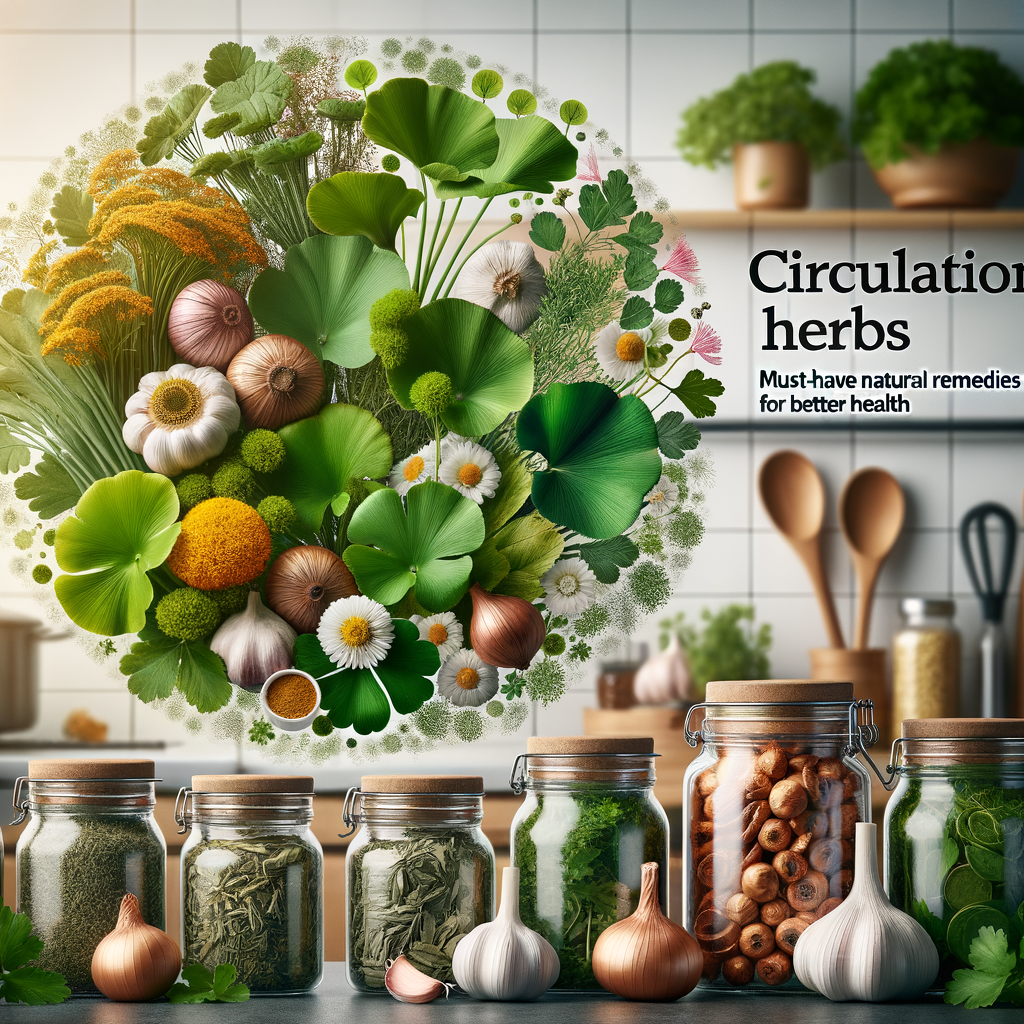
Circulation herbs play a crucial role in promoting better health. They help enhance blood flow and support overall cardiovascular health. By targeting the circulatory system, these herbs not only improve blood circulation but also aid in boosting energy and reducing various health concerns. This article will explore various circulation herbs, their health benefits, and how to incorporate them into your daily routine.
The Importance of Good Circulation
Healthy blood circulation is vital for many body functions. It ensures that oxygen and nutrients reach every cell, supporting energy levels and organ function. Proper circulation also helps remove waste, reducing the risk of chronic diseases. Poor circulation can lead to issues like fatigue, cold extremities, and even more severe conditions like heart disease.
For these reasons, exploring natural remedies like circulation herbs is a worthy pursuit. Integrating these herbs into your lifestyle can support your body’s natural ability to maintain optimal circulation. Let’s look into the specific herbs that can enhance your circulatory health.
Popular Circulation Herbs
1. Ginkgo Biloba
Ginkgo Biloba is one of the oldest living tree species and has been used for centuries in traditional medicine. It enhances circulation by improving blood flow, especially to the brain. Research suggests it may also improve cognitive functions and memory.
Benefits of Ginkgo Biloba:
– Boosts memory and cognitive functions.
– May help with anxiety.
– Provides antioxidant properties that protect cells from damage.
2. Cayenne Pepper
Cayenne pepper is not just a spice; it’s a powerful circulation herb. Capsaicin, the compound that gives cayenne its heat, can stimulate blood flow. It works by causing blood vessels to dilate, thus enhancing circulation.
Benefits of Cayenne Pepper:
– Helps reduce pain due to improved circulation.
– Aids in metabolic function.
– Supports detoxification processes.
3. Ginger
Ginger has long been celebrated for its medicinal properties. It not only improves circulation but also has anti-inflammatory effects. Ginger can enhance blood flow by relaxing the blood vessels, thus promoting better heart health.
Benefits of Ginger:
– Reduces nausea and aids digestion.
– Contains anti-inflammatory properties.
– Helps lower cholesterol levels.
4. Garlic
Garlic is well-known for its health benefits, especially concerning heart health. It contains allicin, which can help lower blood pressure and improve circulation. Regular consumption may lead to reduced plaque buildup in arteries.
Benefits of Garlic:
– Helps reduce blood pressure.
– Acts as a natural antibiotic.
– Supports immune health.
How to Incorporate Circulation Herbs into Your Diet
Simple Recipes
1. Ginger Tea
– Ingredients: Grated fresh ginger, boiling water, honey.
– Directions: Steep grated ginger in boiling water for 10 minutes, strain, and add honey.
2. Cayenne Pepper Smoothie
– Ingredients: Banana, spinach, a pinch of cayenne pepper, almond milk.
– Directions: Blend all ingredients until smooth.
3. Garlic Infused Oil
– Ingredients: Olive oil, sliced garlic cloves.
– Directions: Heat olive oil and add sliced garlic until fragrant. Use for cooking or drizzling over dishes.
Lifestyle Tips
– Consider using these herbs as supplements if cooking isn’t your style. Always consult a healthcare provider before starting any new supplement regimen.
– Start a daily routine that includes moving your body. Regular exercise complements the benefits of circulation herbs.
Potential Side Effects and Precautions
While circulation herbs offer numerous advantages, they can also have side effects. Some people may experience digestive discomfort, especially with garlic and ginger. Always listen to your body and consult a healthcare professional if you have any concerns.
Important Precautions:
– Allergies: Ensure you are not allergic to any herbs you wish to try.
– Blood Thinners: Herbs like garlic can interact with medications. If you’re on blood thinners or have heart conditions, consult your doctor first.
– Pregnancy and Nursing: Some herbs may not be suitable during pregnancy or breastfeeding.
Summary
Circulation herbs are valuable natural remedies that can significantly enhance your overall health. Herbs such as Ginkgo Biloba, cayenne pepper, ginger, and garlic work together to promote optimal blood flow. Integrating these herbs into your diet, whether through recipes or supplements, can yield numerous health benefits. By being mindful of your body and consulting healthcare providers, you can effectively harness the power of these herbs for better circulation and vitality.
FAQs
1. What are circulation herbs?
Circulation herbs are natural plants and botanical extracts that promote blood flow and support cardiovascular health.
2. How do circulation herbs improve health?
By improving blood circulation, they ensure oxygen and nutrients reach every part of the body while also helping remove toxins.
3. Can I consume circulation herbs daily?
Yes, many circulation herbs can be safely consumed daily. However, it’s advisable to consult with a healthcare provider.
4. Are there any side effects of circulation herbs?
Some individuals may experience digestive upset or allergic reactions, especially with garlic and ginger.
5. How long does it take to see results from circulation herbs?
Results vary per individual but may take several weeks of consistent use to notice significant benefits.
6. Can I use these herbs with medications?
Some herbs can interact with medications. Always consult your healthcare provider before starting any new herbs or supplements.
7. Are there specific diets that enhance blood circulation?
A balanced diet rich in fruits, vegetables, whole grains, and healthy fats can help maintain good circulation alongside circulation herbs.
8. Is it safe to take circulation herbs during pregnancy?
Some circulation herbs may not be safe during pregnancy. Always check with your healthcare provider.
9. Are there any non-herbal methods to improve circulation?
Yes, regular exercise, staying hydrated, and avoiding smoking can also enhance circulation.
10. What’s the best way to consume these herbs?
You can consume circulation herbs as teas, supplements, or integrate them into your cooking.
References
1. WebMD: Ginkgo Biloba: Overview
2. Healthline: Cayenne Pepper Benefits
3. Mayo Clinic: Ginger: Health Benefits
4. National Center for Complementary and Integrative Health: Garlic
5. Medical News Today: The Benefits of Ginger
About the Author