- Understanding Dry Skin and Its Causes
- The Benefits of Herbal Remedies for Dry Skin
- Popular Herbal Remedies for Dry Skin
- How to Prepare Herbal Remedies at Home
- Aloe Vera Gel
- Chamomile Infusion
- Incorporating Herbs into Your Skincare Routine
- Step-by-Step Routine
- Lifestyle Changes for Managing Dry Skin
- Hydration and Nutrition
- Environmental Factors
- The Importance of Patch Testing
- FAQ About Dry Skin Herbal Remedies
- Conclusion
- References
Understanding Dry Skin and Its Causes
Dry skin is a common issue that affects people of all ages. It occurs when the skin loses moisture, leading to roughness, flakiness, and itching. Factors such as climate, lifestyle, and skin care choices can all contribute to this condition. For instance, cold weather can strip moisture from the skin, while long, hot showers may further deplete essential oils.
Certain medical conditions like eczema or psoriasis can exacerbate dry skin. Additionally, using harsh soaps or skincare products may worsen the situation. Identifying the underlying cause of your dry skin is crucial for effective treatment. This sets the stage for exploring various remedies, including the benefits of herbal solutions.
The Benefits of Herbal Remedies for Dry Skin
When looking for a dry skin herbal remedy, many people turn to nature. Herbal remedies have gained popularity due to their effectiveness and natural origins. They often lack the harsh chemicals found in traditional skin care products, making them safer for long-term use.
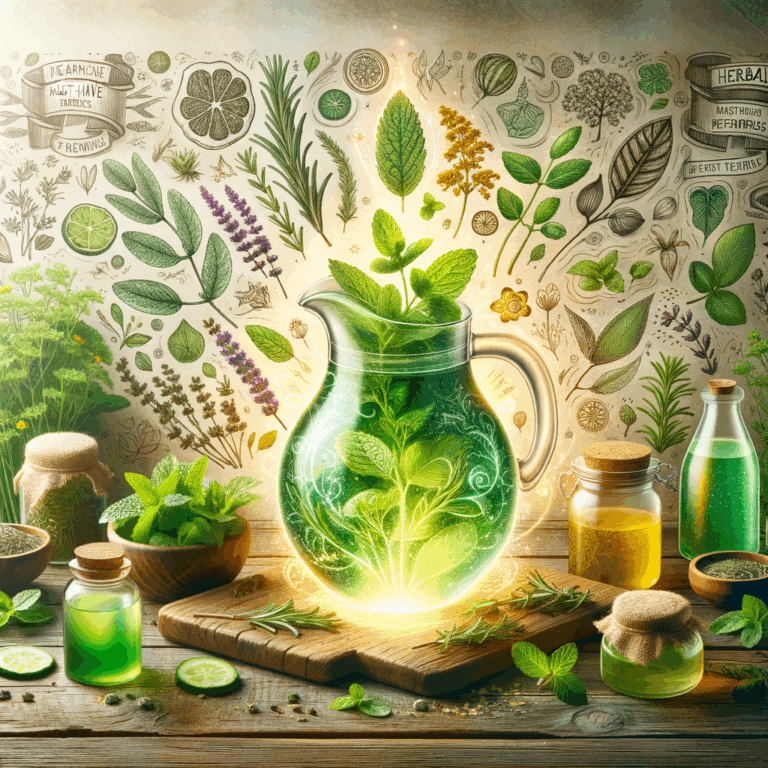
Herbs such as aloe vera and chamomile have soothing properties. These ingredients can hydrate the skin and provide relief from irritation. Natural remedies often work to nourish the skin from within, enhancing overall health.
Popular Herbal Remedies for Dry Skin
Here’s a quick look at some popular herbs that serve as effective remedies:
| Herb | Properties | How to Use |
|——————|————————————|——————————————–|
| Aloe Vera | Hydrating, anti-inflammatory | Apply gel directly from the leaf |
| Chamomile | Soothing, calming | Brew as a tea, apply as a wash |
| Lavender | Antiseptic, analgesic | Use essential oil in a carrier oil |
| Jojoba Oil | Moisturizing, mimics skin oils | Apply directly or blend with lotions |
| Oatmeal | Soothing, exfoliating | Mix with water for a soothing bath |
These herbal remedies offer both immediate and long-term benefits for dry skin, helping to restore its natural balance.
How to Prepare Herbal Remedies at Home
Creating your own herbal remedies at home is simple and rewarding. Start with dried herbs or fresh ones, depending on availability. Many recipes combine herbal infusions with other natural ingredients, enhancing their effectiveness.
Aloe Vera Gel
Aloe vera is a powerhouse for hydration. To prepare:
1. Harvest: Cut a leaf from the aloe vera plant.
2. Extract: Scoop out the gel using a spoon.
3. Apply: Spread the gel directly onto dry skin. It can also be kept in the refrigerator for a cooling effect.
Chamomile Infusion
Chamomile not only calms dry skin but also offers exceptional soothing properties. To create an infusion:
1. Brew: Steep two chamomile tea bags in a cup of boiling water for 15 minutes.
2. Cool: Let it cool down.
3. Use: Soak a cotton pad in the infusion and apply it to affected areas.
These simple preparations pave the way for smoother skin.
Incorporating Herbs into Your Skincare Routine
Incorporating herbal remedies into your daily skincare routine is quite easy. It’s essential to be consistent, as natural remedies often take time to show results.
Step-by-Step Routine
1. Cleanse: Start with a gentle cleanser that doesn’t strip the skin.
2. Tone: Use an herbal infusion as a toner. Chamomile or rosewater works wonders.
3. Moisturize: Apply a mixture of essential oils (like lavender) combined with carrier oils (like jojoba).
4. Exfoliate: Opt for oatmeal masks once a week. These not only hydrate but also remove dead skin cells.
5. Sun Protection: Use natural sunscreen or protective clothing during the day to prevent further drying of the skin.
By following this routine, you provide your skin with the nourishment it craves.
Lifestyle Changes for Managing Dry Skin
Addressing dry skin goes beyond topical treatments. Lifestyle changes play a significant role as well. Hydration, nutrition, and environmental factors all contribute to skin health.
Hydration and Nutrition
Drinking adequate water is crucial for maintaining skin moisture. Aim for at least eight glasses daily. Additionally, incorporate foods rich in omega-3 fatty acids, such as fish, flaxseeds, and walnuts. These nutrients promote skin elasticity and hydration.
Environmental Factors
Humidity levels can greatly affect skin dryness. Invest in a humidifier during winter months to restore moisture in the air. Also, avoid hot showers and harsh soaps, which can worsen dry skin. Opt for lukewarm water and gentle cleansers whenever possible.
The Importance of Patch Testing
Before fully embracing any herbal remedy, consider performing a patch test. Apply a small amount of the herbal concoction on a discreet area of your skin. Wait for 24 hours to see if any irritation occurs. This precaution prevents adverse reactions and enhances the overall safety of your skin care routine.
FAQ About Dry Skin Herbal Remedies
1. Can I use multiple herbal remedies at the same time?
Yes, but introduce one new remedy at a time to monitor reactions.
2. How long does it take to see results from herbal remedies?
Results can vary but typically appear within a few weeks of consistent use.
3. Are herbal remedies safe for sensitive skin?
Many herbs are gentle, but patch testing is essential to avoid irritation.
4. Can I use herbal remedies if I have eczema?
Always consult your healthcare provider before using any new treatment for eczema.
5. How often should I apply herbal remedies?
Daily application can yield the best results, especially for hydration-focused remedies.
6. Are there any side effects associated with herbal treatments?
While rare, allergic reactions can occur. Always patch test first.
7. Can I cook with the herbs I use on my skin?
Yes, many herbs offer both culinary and skin benefits. Just ensure they’re from safe sources.
8. Should I stop using my regular moisturizer?
You can continue your regular routine while incorporating herbal remedies for additional benefits.
9. Are there any herbs to avoid for dry skin?
Some herbs can irritate sensitive skin. Identify your skin’s needs and choose wisely.
10. Can I mix herbal remedies in lotions?
Yes, you can blend them into unscented lotions for added nourishment.
Conclusion
In summary, a dry skin herbal remedy can significantly improve your skin’s texture and overall health. With a variety of options ranging from aloe vera to chamomile, you have numerous natural solutions at your fingertips. Incorporating these remedies into your daily routine, while making lifestyle changes, can lead to smoother, more hydrated skin. Remember to patch test new treatments and consult a healthcare professional if needed. Enjoy the journey to achieving radiant, healthy skin!
References
– Healthline – Herbal Remedies for Dry Skin
– NCBI – The Benefits of Herbal Medicine
– Mayo Clinic – Dry Skin Care
About the Author