- Understanding Hair Strengthening Herbs
- Top Hair Strengthening Herbs
- 1. Bhringraj
- 2. Amla
- 3. Hibiscus
- How to Use Hair Strengthening Herbs
- Infusions and Teas
- Oils and Masks
- Making Herbal Hair Masks
- Other Natural Ingredients to Combine
- Lifestyle Tips for Stronger Hair
- Common Myths About Hair Strengthening Herbs
- Myth 1: Herbs Work Overnight
- Myth 2: All Herbs Are Safe
- Myth 3: Thicker Hair Means Healthier Hair
- Final Thoughts
- FAQs
- References
Understanding Hair Strengthening Herbs
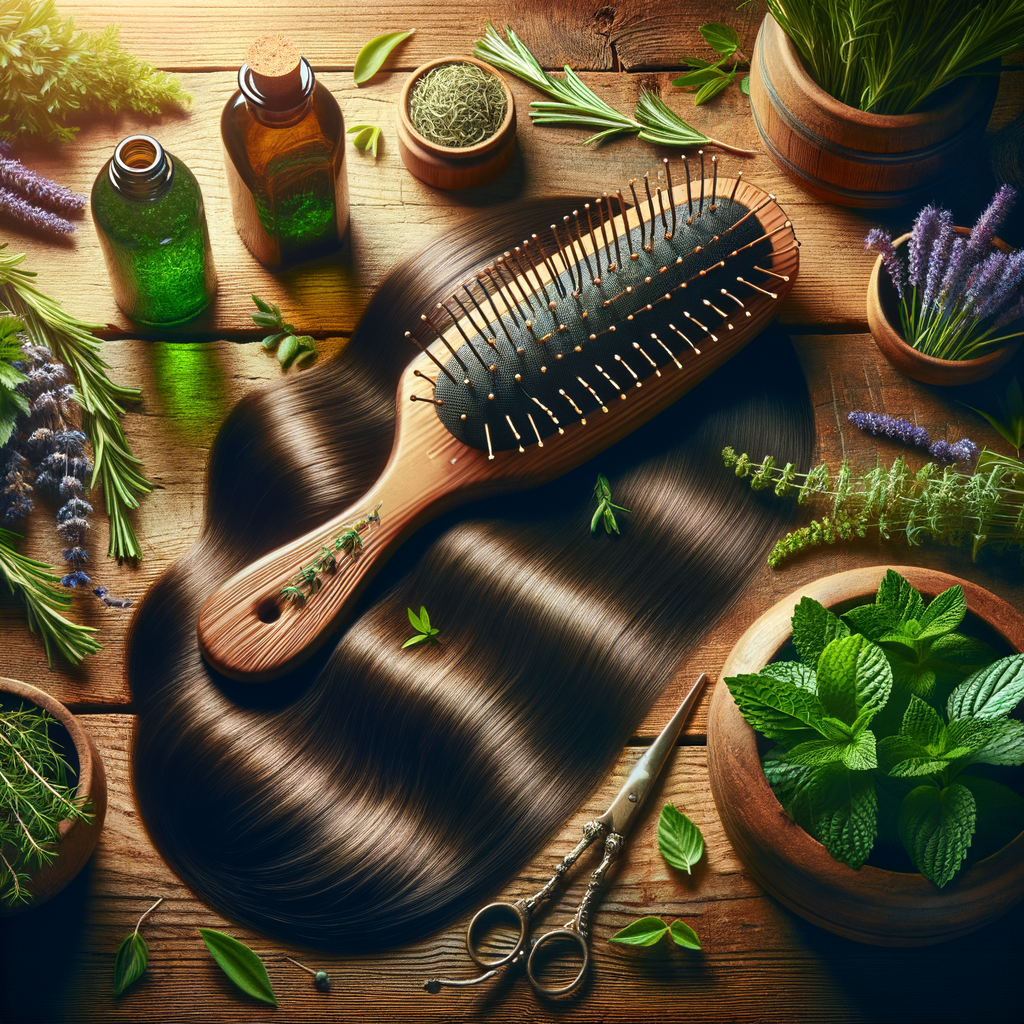
Hair strengthening herbs are nature’s powerhouses for promoting thicker and healthier hair. These herbs have been used for centuries in traditional medicine and modern formulations. Packed with nutrients, they can significantly improve hair health when used correctly. Let’s explore some of these incredible herbs and how they can transform your locks.
From ancient India to the lush landscapes of China, various cultures rely on herbal remedies for hair care. Today, scientific studies back many of these traditional uses. The good news is that you can easily incorporate these herbs into your daily routine. They can enhance hair thickness, reduce breakage, and promote overall scalp health.
Top Hair Strengthening Herbs
1. Bhringraj
Bhringraj, or Eclipta alba, is an Ayurvedic marvel known for its hair-strengthening abilities. This herb is a rich source of minerals and nutrients. It encourages hair growth and reduces hair fall. When applied as an oil or paste, bhringraj nourishes roots and stimulates blood circulation in the scalp.
Regular use of bhringraj can give you healthier hair over time. You might notice less hair fall and stronger strands. Plus, it helps combat premature graying, making it a must-have in your hair care arsenal.
2. Amla
Amla, or Indian Gooseberry, is another powerhouse in hair care. Packed with vitamin C and antioxidants, it promotes collagen production, essential for hair health. Amla helps strengthen hair roots, making them less vulnerable to damage.
When you use amla—whether in oil or powdered form—you promote hydration and shine. Not only does it strengthen strands, but it also treats dandruff and improves scalp conditions. Incorporate amla into your routine for vibrant, thicker locks.
3. Hibiscus
Hibiscus flowers are known for their vibrant color, but their benefits extend far beyond aesthetics. Rich in amino acids, hibiscus helps maintain healthy hair and enhances growth. It promotes blood circulation in the scalp and can even delay premature graying.
Creating a hibiscus hair mask is easy. Simply grind the flowers with some coconut oil and apply it to your hair. Let it sit for about 30 minutes before rinsing for soft, nourished hair.
How to Use Hair Strengthening Herbs
Infusions and Teas
Infusions and herbal teas are simple ways to reap the benefits of these herbs. For example, brewing an amla tea can provide internal health benefits as well as improving hair condition. Consume it regularly to strengthen your hair from the inside out.
Oils and Masks
Creating herbal oils or masks is another effective method. For instance, combining bhringraj oil with coconut oil makes a potent treatment. Apply it once a week, focusing on the scalp. This promotes circulation and nourishes the hair follicles.
Making Herbal Hair Masks
To create a nourishing hair mask, consider blending several herbs. Here’s a simple recipe using amla, hibiscus, and bhringraj:
– Ingredients:
– 2 tablespoons amla powder
– 2 tablespoons hibiscus powder
– 2 tablespoons bhringraj powder
– Water (as needed)
– Instructions:
1. Mix the powders in a bowl.
2. Gradually add water until you achieve a paste-like consistency.
3. Apply the mask to clean, damp hair.
4. Leave it on for 30–45 minutes before rinsing thoroughly.
Using these ingredients consistently should enhance your hair’s resilience and softness.
Other Natural Ingredients to Combine
While hair strengthening herbs are powerful, combining them with other natural ingredients amplifies their effects. Here are some to consider:
| Ingredient | Benefits |
|—————-|—————————————-|
| Coconut Oil | Moisturizes and reduces frizz |
| Aloe Vera | Soothes the scalp and hydrates hair |
| Honey | Adds shine and helps with dryness |
Mix and match these ingredients to find what works best for you.
Lifestyle Tips for Stronger Hair
1. Nutrition: Eating a balanced diet rich in vitamins and minerals supports hair health. Include foods high in omega-3 fatty acids, vitamins A, C, and E, and zinc.
2. Hydration: Drinking enough water hydrates not only your body but also your hair. Aim for at least 8 glasses a day.
3. Stress Management: Stress can lead to hair loss. Use relaxation techniques like yoga or meditation to keep stress at bay.
4. Regular Trims: Trimming hair every 6-8 weeks eliminates split ends and promotes healthier growth.
Common Myths About Hair Strengthening Herbs
Myth 1: Herbs Work Overnight
Many expect instant results. However, strengthening hair takes time. Be patient and consistent with your regimen.
Myth 2: All Herbs Are Safe
Not all herbs are suitable for everyone. Always perform a patch test before using a new herb or oil. If you experience any irritation, discontinue use immediately.
Myth 3: Thicker Hair Means Healthier Hair
While thickness can indicate health, it isn’t the only factor. Focus on the overall condition of your hair instead of just appearance.
Final Thoughts
Hair strengthening herbs offer wonderful solutions for enhancing your hair’s strength and thickness. Integrating herbs like bhringraj and amla into your routine can lead to remarkable transformations. Consistency and patience are key; achieving luscious locks won’t happen overnight.
You can explore various combinations, masks, and oils to find what suits your hair best. Ultimately, the journey to stronger hair is a personal one, full of discoveries and results.
FAQs
1. How long does it take to see results from hair strengthening herbs?
Results can vary by individual, but you may start seeing improvements within a few weeks of consistent use.
2. Can I use these herbs if I have a sensitive scalp?
Always perform a patch test first to check for any adverse reactions. Some individuals may be sensitive to certain herbs.
3. What should I avoid when using herbal treatments for hair?
Avoid using harsh chemicals or synthetic products that may counteract the benefits of the herbs.
4. How often should I apply herbal masks?
For optimal results, use herbal masks once a week.
5. Can these herbs help with dandruff?
Yes, many hair strengthening herbs, like amla and hibiscus, have anti-inflammatory properties that can combat dandruff.
6. Is it safe to ingest these herbs?
While many herbs can be safely ingested, always consult with a healthcare provider or nutritionist before consuming any new herb.
7. Can I mix different herbs together?
Absolutely! Mixing compatible herbs can enhance their benefits.
8. Are there any side effects to using these herbs?
Some individuals may experience allergic reactions or irritations. Always conduct a patch test.
9. Can I use herbal oils on color-treated hair?
Generally, herbal oils are safe for color-treated hair, but always check for specific ingredients to avoid color fading.
10. Is there a way to enhance the aroma of herbal treatments?
Yes, adding essential oils like lavender or rosemary can improve the fragrance of your homemade herbal treatments.
References
1. Sharma, R., & Gupta, A. (2020). Herbal Remedies for Hair Growth and Hair Loss: A Review. Journal of Natural Medicines. Link to study
2. Joshi, P., & Singh, S. (2019). Amla (Phyllanthus emblica): An experimental and therapeutic overview. Pharmacognosy Reviews. Link to study
3. Bhringraj Oil Benefits. Ayurveda Living. Link to article
4. Hibiscus for Hair: Nature’s Remedy. Healthline. Link to article
By using hair strengthening herbs, you treat your hair kindly while boosting its health effectively. Embrace these natural solutions and give your locks the nourishing care they deserve.
About the Author