- Healthy Aging Herbs: The Key to Vibrant Longevity
- Understanding the Power of Herbs
- The Science Behind Healthy Aging Herbs
- Must-Have Healthy Aging Herbs
- Turmeric
- Ginseng
- Ashwagandha
- Rosemary
- Ginger
- Practical Tips for Incorporating Herbs into Your Life
- Simple Recipes Featuring Healthy Aging Herbs
- Maintaining an Overall Healthy Lifestyle
- Frequently Asked Questions
- What are healthy aging herbs?
- How do these herbs affect the aging process?
- Can I take all these herbs together?
- How often should I take these herbs?
- Are herbal supplements effective?
- Can healthy aging herbs replace my medication?
- How should I store fresh herbs?
- Is there a risk of side effects with these herbs?
- How long will it take to see results from these herbs?
- Where can I buy healthy aging herbs?
- Conclusion
- References
Healthy Aging Herbs: The Key to Vibrant Longevity
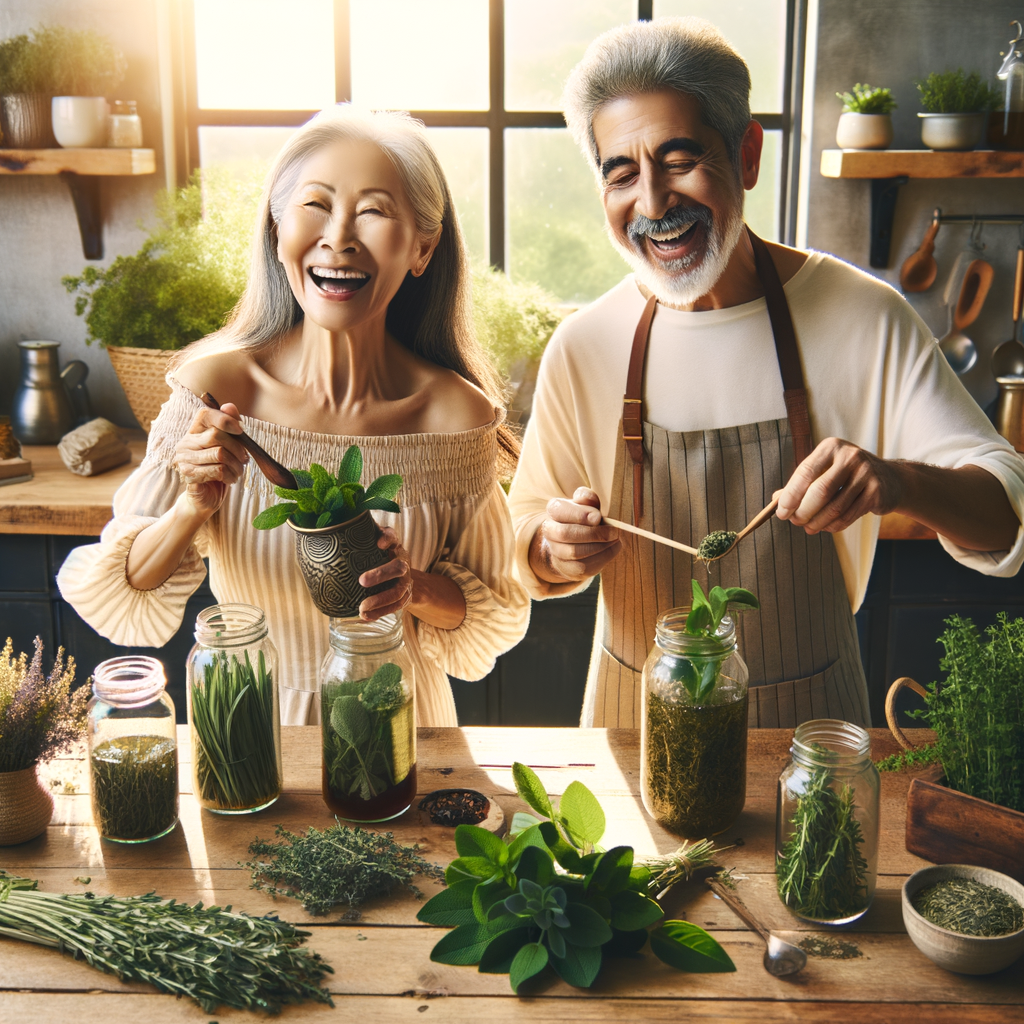
Healthy aging herbs play a significant role in enhancing our vitality as we grow older. These natural wonders offer more than just flavor; they come packed with nutrients and health benefits. Embracing these herbs can be a game-changer for your well-being, helping to boost your physical and mental health.
Incorporating healthy aging herbs into your daily routine is an excellent way to harness nature’s power. From easing inflammation to supporting cognitive function, these herbs cover a broad spectrum of benefits. This article will explore various herbs that promote longevity, how to use them, and the science behind their advantages.
Understanding the Power of Herbs
Herbs have been used for centuries in traditional medicine. Cultures around the world recognize their healing properties. Recent studies have validated many of these benefits, encouraging a resurgence of interest in using herbs for health.
Thus, many people are adopting herbal medicine as a holistic approach to wellness. Whether consumed in teas, supplements, or cooked into meals, healthy aging herbs can provide essential nutrients. Their anti-inflammatory, antioxidant, and adaptogenic properties make them invaluable allies in the quest for vibrant longevity.
The Science Behind Healthy Aging Herbs
Scientific research supports the benefits of many herbs linked to healthy aging. These studies highlight how specific compounds in herbal plants can prevent age-related diseases and improve quality of life. For instance, many herbs exhibit strong antioxidant properties. These properties help combat oxidative stress, a major contributor to aging and chronic disease.
Additionally, certain herbs can improve circulation, strengthen the immune system, and enhance cognitive function. Ongoing research continues to uncover their potential. The science behind herbal medicine reveals a treasure trove of knowledge waiting to be tapped into for better health.
Must-Have Healthy Aging Herbs
Turmeric
Turmeric is well-known for its anti-inflammatory properties. Curcumin, the active compound in turmeric, is a powerful antioxidant. It helps to combat inflammation and can reduce the risk of chronic diseases such as heart disease and diabetes.
How to Use:
– Add turmeric to smoothies, curries, or soups.
– Brew a warm cup of turmeric tea for a soothing drink.
Ginseng
Ginseng is famed for its adaptogenic properties, helping the body adapt to stress. It can boost energy levels, improve focus, and enhance mood. Ginseng also supports the immune system, making it especially beneficial during cold and flu season.
How to Use:
– Take ginseng supplements as directed.
– Brew ginseng tea or add powder to your morning smoothie.
Ashwagandha
Ashwagandha is another potent adaptogen. It helps to reduce anxiety and improve overall wellness. Research suggests it may enhance brain function and memory while reducing cortisol levels, the hormone linked to stress.
How to Use:
– Incorporate it into smoothies, oatmeal, or baked goods.
– Take it as a supplement in capsule form.
Rosemary
This fragrant herb is not just for seasoning. Rosemary contains antioxidants that support brain health. Some studies suggest it may even boost memory and concentration. The anti-inflammatory properties contribute to overall health and vitality.
How to Use:
– Use fresh or dried rosemary to season meats or vegetables.
– Brew rosemary tea for a refreshing drink.
Ginger
Ginger is a powerhouse in the world of healthy aging herbs. Known for its digestive health benefits, it also exhibits anti-inflammatory and antioxidant effects. Plus, it may support cardiovascular health and strengthen the immune system.
How to Use:
– Add fresh ginger to smoothies or stir-fries.
– Make ginger tea by steeping fresh ginger slices in hot water.
Practical Tips for Incorporating Herbs into Your Life
Incorporating healthy aging herbs into your daily routine does not have to be complicated. Here are some simple strategies:
– Add to Meals: Mix herbs into your daily cooking. Season your dishes with these powerhouse ingredients to enjoy their benefits effortlessly.
– Make Herbal Teas: Create your tea blends using dried or fresh herbs. This method provides an excellent way to hydrate while consuming beneficial compounds.
– Use Supplements Wisely: If busy lifestyles make it hard to consume enough herbs, consider high-quality herbal supplements. Always consult a healthcare professional before starting any new supplement.
Simple Recipes Featuring Healthy Aging Herbs
Turmeric Golden Milk:
1. Ingredients: 1 cup milk (or non-dairy), 1 tsp turmeric, pinch of black pepper, honey (optional).
2. Instructions: Heat the milk. Stir in turmeric and black pepper. Sweeten if desired.
Ginger and Lemon Tea:
1. Ingredients: 1-inch piece of ginger, juice of half a lemon, honey (optional).
2. Instructions: Boil ginger in water for 10 minutes. Strain and add lemon juice and honey to taste.
Maintaining an Overall Healthy Lifestyle
While healthy aging herbs provide remarkable benefits, they work best as part of a balanced lifestyle. Regular exercise, a healthy diet, and adequate sleep are crucial contributors to longevity.
Engaging in physical activities boosts metabolism, improves mood, and supports cardiovascular health. Aim for a mix of aerobic exercise, strength training, and flexibility exercises each week.
Frequently Asked Questions
What are healthy aging herbs?
Healthy aging herbs are plants known for their beneficial properties in promoting longevity and reducing age-related diseases. Examples include turmeric, ginseng, and ashwagandha.
How do these herbs affect the aging process?
These herbs possess anti-inflammatory and antioxidant properties that combat oxidative stress, support brain function, and enhance overall wellness.
Can I take all these herbs together?
While many can be safely combined, it’s essential to consult a healthcare provider for personalized advice.
How often should I take these herbs?
Dosage depends on the specific herb and your health status. Always refer to packaging instructions or seek professional guidance.
Are herbal supplements effective?
Herbal supplements can be effective when made from high-quality ingredients. Choose reputable brands and consult with a healthcare professional before use.
Can healthy aging herbs replace my medication?
Herbs should not replace prescribed medications. Always discuss any changes to your health regimen with a doctor.
How should I store fresh herbs?
Fresh herbs can be stored in the refrigerator wrapped in damp paper towels or placed in a glass of water. Dried herbs should go in a cool, dark place.
Is there a risk of side effects with these herbs?
Some herbs can interact with medications or cause side effects. Always consult a healthcare professional for safety information.
How long will it take to see results from these herbs?
Results may vary. Some benefits may be felt in days, while others may take weeks or months of consistent use.
Where can I buy healthy aging herbs?
You can find them in health food stores, supermarkets, or online retailers specializing in herbal products.
Conclusion
Incorporating healthy aging herbs can significantly impact your well-being and longevity. With anti-inflammatory and antioxidant properties, these herbs work harmoniously to enhance physical and mental health. By embracing these natural allies, you can take proactive steps toward a vibrant, fulfilling life as the years go by.
References
– National Center for Complementary and Integrative Health (NCCIH). Herbs at a Glance
– WebMD. Turmeric: Health Benefits, Uses, and Side Effects
– Healthline. Ginger Benefits: 10 Health Benefits of Ginger
– Medical News Today. What to know about Ginseng
– Health.com. 10 Health Benefits of Rosemary
About the Author