- Herbal Cardiovascular Support
- Understanding Cardiovascular Health
- Key Herbs for Cardiovascular Support
- Benefits of Herbal Cardiovascular Support
- Improved Blood Circulation
- Lowered Cholesterol Levels
- Enhanced Heart Function
- Incorporating Herbs into Your Diet
- Tea and Infusions
- Supplements
- Cooking
- Lifestyle Choices for Heart Health
- Balanced Diet
- Regular Exercise
- Stress Management
- Potential Risks and Considerations
- Conclusion
- FAQs
- References
Herbal Cardiovascular Support
Herbal cardiovascular support plays a vital role in promoting heart health. Many people turn to herbs to help maintain and enhance their cardiovascular systems. With the right ingredients and lifestyle choices, you can enjoy numerous benefits. Let’s explore effective herbs, their benefits, and how they contribute to a healthy heart.
Understanding Cardiovascular Health
Cardiovascular health refers to the well-being of your heart and blood vessels. It impacts every part of your body. Poor cardiovascular health can lead to issues like heart disease, hypertension, and circulatory problems. By prioritizing cardiovascular support, you can significantly improve overall health.
To understand how herbal remedies fit into this, it’s essential to recognize the impact of lifestyle factors. Diet, exercise, and stress management play crucial roles. Adopting a holistic approach to heart health is often the most effective strategy.
Key Herbs for Cardiovascular Support
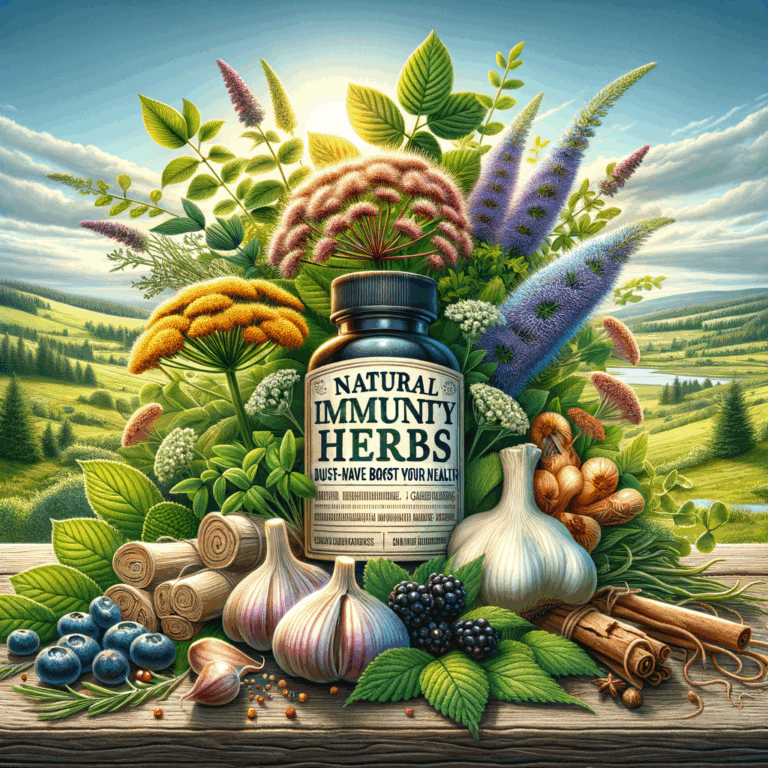
Different herbs provide varying benefits for heart health. Here’s a list of some of the most effective herbs known for their positive effects on the cardiovascular system.
– Hawthorn: Widely known for its ability to strengthen the heart’s function, hawthorn helps improve blood flow and reduces symptoms of heart disease.
– Garlic: This popular herb can lower cholesterol levels and reduce blood pressure. Its active compounds help widen blood vessels, enhancing circulation.
– Ginger: Known for its anti-inflammatory properties, ginger can help improve circulation. It also reduces blood clots, further protecting the heart.
– Turmeric: Curcumin, the active component in turmeric, has anti-inflammatory and antioxidant effects. It can help reduce arterial plaque.
– Rosmarinus Officinalis (Rosemary): This herb improves blood circulation and aids in detoxification of the blood.
Benefits of Herbal Cardiovascular Support
Embracing herbal cardiovascular support offers multiple benefits. Here’s how these herbs can enhance heart health:
Improved Blood Circulation
One of the primary benefits of many herbs is their ability to improve blood circulation. For example, ginger enhances blood flow, making it easier for oxygen and nutrients to reach your organs. Improved circulation reduces strain on the heart, promoting overall cardiovascular health.
Lowered Cholesterol Levels
High cholesterol remains a significant risk factor for heart disease. Garlic, for instance, has been shown to lower LDL (bad cholesterol) while increasing HDL (good cholesterol). By lowering cholesterol levels, herbs contribute to a healthier heart.
Enhanced Heart Function
Many herbs contain compounds that can enhance heart function. Hawthorn, with its unique flavonoids, strengthens heart muscles and improves performance. Herbal remedies may also offer a gentler alternative to pharmaceutical treatments.
Incorporating Herbs into Your Diet
Integrating these herbs into your daily routine is straightforward. Here are some effective methods to include herbal cardiovascular support in your diet:
Tea and Infusions
Brewing herbal teas is an easy way to enjoy the benefits of herbs. Consider making hawthorn berry tea or ginger tea. Add honey or lemon to taste. Drinking herbal teas regularly can support your heart health naturally.
Supplements
If you find it challenging to incorporate herbs in your meals, consider supplements. They are available in various forms, including capsules, powders, and extracts. Always consult a healthcare provider before starting any new supplements.
Cooking
Incorporating herbs into your cooking can be delicious and beneficial. Use garlic in your stir-fries, add turmeric to soups, or sprinkle rosemary on roasted vegetables. Not only do these herbs flavor your food, but they also provide essential nutrients.
Lifestyle Choices for Heart Health
While herbs provide incredible support, lifestyle adjustments complement their effects. Here are some lifestyle choices that can promote heart health:
Balanced Diet
A balanced diet rich in fruits, vegetables, whole grains, and lean proteins enhances cardiovascular health. Foods high in Omega-3 fatty acids, such as salmon and flaxseeds, also support heart function.
Regular Exercise
Engaging in regular physical activity strengthens the heart. Aim for at least 150 minutes of moderate exercise each week. Activities like walking, jogging, or swimming can significantly improve your cardiovascular health.
Stress Management
Chronic stress harms heart health. Techniques such as yoga, meditation, and deep breathing help reduce stress levels. Making these practices part of your daily routine can improve your overall well-being.
Potential Risks and Considerations
While herbal support offers numerous advantages, it’s crucial to be aware of potential risks. Herbs can interact with medications or cause side effects in some individuals. Always consult a healthcare professional before starting any new herbal regimen, especially if you have existing health conditions or are pregnant or breastfeeding.
Conclusion
Herbal cardiovascular support plays an essential role in maintaining heart health. With the right herbs, you can improve circulation, lower cholesterol, and enhance heart function. Coupling these herbs with a healthy lifestyle ensures stronger cardiovascular health. Make simple changes to incorporate these herbs into your daily routine for maximum benefits.
FAQs
1. Can I use herbal supplements alongside my medications?
It’s essential to consult your doctor before combining herbal supplements with any medications, as some may have interactions.
2. How long does it take to see results from herbal cardiovascular support?
The timeline varies by individual. Some may see benefits within weeks, while others may take longer. Consistency is key.
3. Are there any side effects of taking herbs for heart health?
Some individuals may experience side effects like digestive issues. It’s best to monitor your body’s response and consult a healthcare professional if needed.
4. Can lifestyle changes enhance the effects of herbs?
Yes, lifestyle changes such as a balanced diet, regular exercise, and stress management can significantly boost the herbs’ effectiveness.
5. Is it safe to take multiple herbs together?
Many herbs can be taken together, but it’s crucial to research their interactions. Consulting a professional can help guide you.
6. Which herb is the most effective for lowering cholesterol?
Garlic is well-studied and known for its cholesterol-lowering effects. However, different herbs may work better for different individuals.
7. Do I need a prescription for herbal supplements?
Most herbal supplements are available over the counter. However, consultation with a healthcare provider is wise, especially for ongoing use.
8. Can I grow these herbs at home?
Yes! Many heart-healthy herbs like garlic and ginger can be grown at home. They can also be cultivated in pots if you have limited space.
9. Are there age restrictions for using herbs?
Generally, herbs can be safe for most adults. However, children, pregnant, and breastfeeding women should consult a doctor before use.
10. How do I know which herbs are right for me?
Personal health conditions and goals will determine the best herbs for your needs. Consultation with a healthcare provider can provide personalized recommendations.
References
– WebMD
– Healthline
– National Center for Complementary and Integrative Health (NCCIH)
– Mayo Clinic
About the Author