- Understanding Eczema: A Brief Overview
- Common Triggers of Eczema
- Popular Herbal Remedies for Eczema
- 1. Chamomile
- 2. Calendula
- 3. Aloe Vera
- 4. Tea Tree Oil
- Applying Herbal Eczema Treatments
- Step 1: Patch Test
- Step 2: Consistency is Key
- Step 3: Combine with Lifestyle Changes
- Step 4: Monitor Changes
- Dietary Considerations for Eczema Relief
- Integrating Herbal Eczema Treatments with Conventional Medicine
- The Importance of Mental Well-Being
- Frequently Asked Questions
- What are the main symptoms of eczema?
- Can herbal remedies really help with eczema?
- How long does it take for herbal treatments to show results?
- Are there any side effects associated with herbal treatments?
- Can I use multiple herbal remedies at once?
- Should I stop my prescribed medication when using herbal treatments?
- How often should I apply herbal treatments?
- Is eczema contagious?
- Does diet really affect eczema?
- Where can I find herbal eczema treatments?
- Conclusion
- References
Understanding Eczema: A Brief Overview
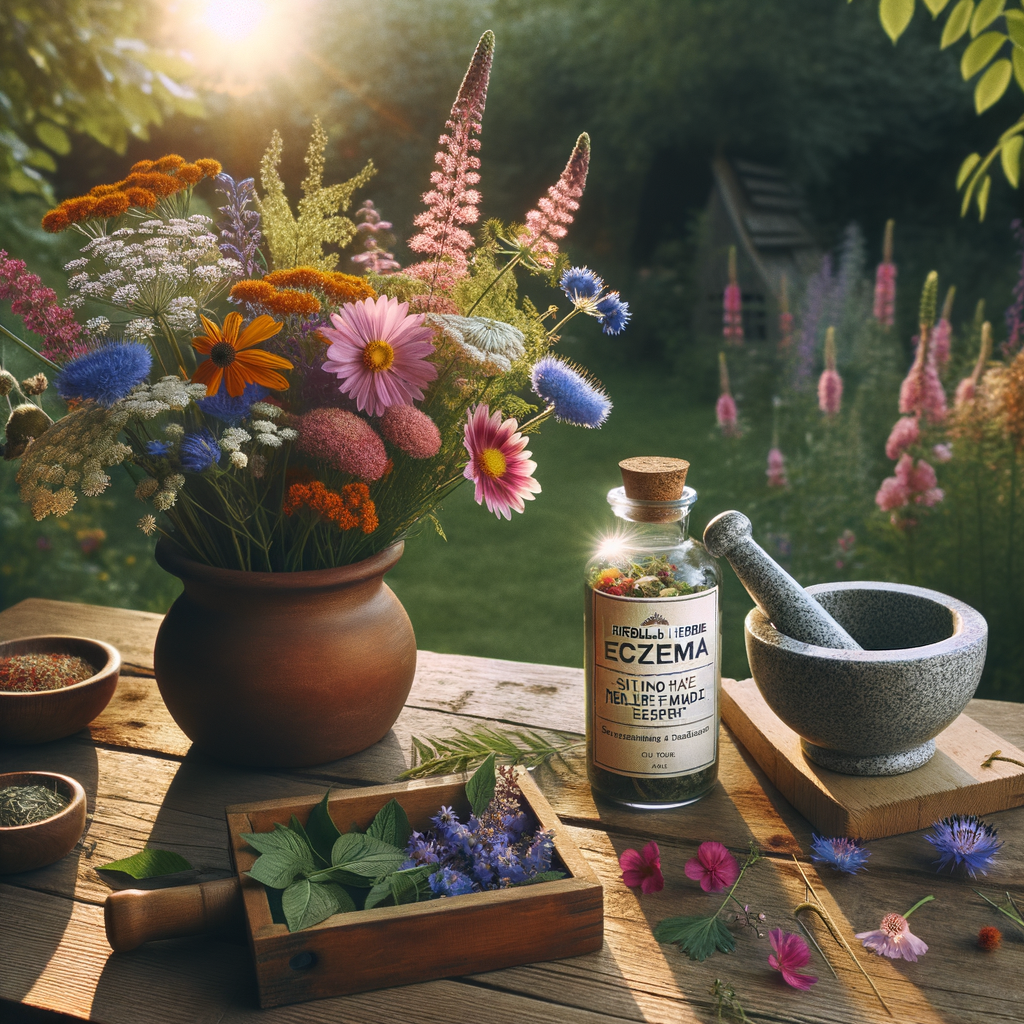
Herbal eczema treatment offers stunning relief for those suffering from this frustrating skin condition. Eczema, also known as atopic dermatitis, affects millions globally. It manifests as dry, itchy, and inflamed skin. While conventional treatments often include steroids and antihistamines, many people seek natural alternatives for relief. These natural remedies can address symptoms without the side effects associated with pharmaceutical options.
Herbal treatments can help not just in alleviating symptoms but also in tackling the underlying issues of eczema. By incorporating certain herbs and plants into a daily routine, individuals may find lasting comfort and improved skin health. More importantly, these natural options are often easier on the body and can be used in tandem with other treatments.
Common Triggers of Eczema
Understanding what triggers eczema is essential for effective management. The condition can flare up due to various factors, including:
– Environmental irritants: These can include pollen, dust mites, pet dander, or mold.
– Food allergies: Common culprits include dairy, gluten, soy, and nuts.
– Weather conditions: Extreme temperatures, humidity, or dryness can exacerbate symptoms.
– Stress: Emotional stress can trigger allergic reactions and flare-ups.
– Skin care products: Certain soaps, detergents, or lotions may irritate sensitive skin.
Identifying and managing these triggers can significantly improve one’s quality of life. It can also enhance the effectiveness of herbal eczema treatments.
Popular Herbal Remedies for Eczema
Many herbs have shown promise in treating eczema symptoms. Here are a few widely recognized options:
1. Chamomile
Chamomile has anti-inflammatory and soothing properties. It can help calm irritated skin and reduce redness. A chamomile tea compress can provide topical relief. Simply steep the flowers in boiling water, cool, and apply with a clean cloth to the affected areas.
2. Calendula
Calendula is known for its healing effects on the skin. It aids in reducing inflammation and speeds up the healing process. You can use calendula oil or an ointment containing calendula extract. Some people also mix it into their lotions for enhanced effects.
3. Aloe Vera
Aloe vera is famous for its cooling and hydrating properties. The gel extracted from its leaves can soothe itchy and dry skin. Apply it directly to the afflicted areas. Increasing skin moisture is essential for managing eczema effectively.
4. Tea Tree Oil
Tea tree oil has powerful antiseptic qualities. It can help alleviate discomfort and reduce inflammation when diluted properly. Mix a few drops with a carrier oil like coconut oil before applying it to the skin. Always do a patch test first to avoid allergies.
Applying Herbal Eczema Treatments
Using herbal treatments effectively requires a systematic approach. Here’s how to incorporate them into your daily routine:
Step 1: Patch Test
Before applying any herbal remedy widely, conduct a patch test. Apply a small amount to a less visible part of the skin and wait 24 hours to check for any reactions.
Step 2: Consistency is Key
Incorporate your chosen herbs into your daily skin care routine. Consistent application will yield the best results. Use products containing herbal extracts, or topical treatments that harness their benefits.
Step 3: Combine with Lifestyle Changes
Alongside herbal treatments, make lifestyle adjustments. Stay hydrated, eat a balanced diet, and manage stress levels. These holistic changes can enhance the efficacy of herbal treatments.
Step 4: Monitor Changes
Keep track of your skin’s response to various treatments. Maintain a journal that details flare-up triggers and the remedies used. This can guide you in optimizing your herbal regimen.
Dietary Considerations for Eczema Relief
Your diet plays a crucial role in managing eczema. Certain foods can either trigger or alleviate symptoms. Incorporating anti-inflammatory foods can help reduce flare-ups. Here are some dietary recommendations:
– Omega-3 fatty acids: Found in fish like salmon and flaxseeds, these can reduce inflammation.
– Probiotics: Yogurt, kefir, or supplements may help balance gut health and enhance skin conditions.
– Fruits and vegetables: A diet rich in antioxidants will provide your skin with essential nutrients.
– Avoid trigger foods: Pay attention to any foods that provoke your eczema. Common ones include dairy, gluten, and processed foods.
Integrating Herbal Eczema Treatments with Conventional Medicine
Many people wonder if herbal treatments can work alongside conventional medicine. The answer is yes! However, it’s vital to consult a medical professional before mixing treatment types.
Integrating herbal treatments with standard methods can lead to improved skin health. Conventional medicine may provide rapid relief, while herbal remedies can ensure lasting results. Always remain open about your treatment choices with your doctor or dermatologist.
The Importance of Mental Well-Being
Living with eczema can take an emotional toll. It’s essential to take care of your mental well-being, too. Here’s how:
– Mindfulness and meditation: These practices help reduce stress and improve emotional health.
– Support groups: Connecting with others suffering from eczema can provide comfort and advice.
– Therapy: Speaking to a counselor or therapist can help manage the emotional aspects associated with skin conditions.
Frequently Asked Questions
What are the main symptoms of eczema?
Eczema typically results in dry, itchy, and inflamed skin. Other symptoms may include redness, swelling, and even crusting or weeping.
Can herbal remedies really help with eczema?
Yes, many herbal remedies possess anti-inflammatory and soothing properties that can alleviate eczema symptoms.
How long does it take for herbal treatments to show results?
The effectiveness varies from person to person. Generally, consistent use over a few weeks may provide noticeable relief.
Are there any side effects associated with herbal treatments?
While herbal remedies are generally safe, some may cause allergic reactions. Always conduct a patch test first.
Can I use multiple herbal remedies at once?
Yes, combining various herbal treatments can enhance benefits, but always ensure they don’t conflict with each other.
Should I stop my prescribed medication when using herbal treatments?
Consult your healthcare provider before making any changes to your medication regime.
How often should I apply herbal treatments?
Many topical herbal treatments can be applied up to three times a day, but it’s best to refer to product instructions.
Is eczema contagious?
No, eczema is not contagious. It’s an inflammatory skin condition caused by a combination of genetic and environmental factors.
Does diet really affect eczema?
Yes, certain foods can trigger eczema flare-ups, while others may help alleviate symptoms.
Where can I find herbal eczema treatments?
Local health food stores, pharmacies, or online retailers often carry a variety of herbal products for eczema.
Conclusion
Finding effective relief from eczema doesn’t have to be a daunting task. By exploring various herbal options, individuals can manage their symptoms naturally. Along with lifestyle changes and professional guidance, herbal eczema treatment can lead to stunning improvements.
Incorporating healing herbs, maintaining a healthy diet, and focusing on mental well-being will enhance your journey toward healthier skin. Transitioning to natural remedies might just offer the relief you’ve been looking for.
References
1. American Academy of Dermatology. (n.d.). “Eczema (Atopic Dermatitis).” Retrieved from aad.org
2. National Eczema Association. (n.d.). “Eczema Symptoms.” Retrieved from nationaleczema.org
3. WebMD. (n.d.). “Natural Eczema Treatments.” Retrieved from webmd.com
4. Healthline. (n.d.). “Home Remedies for Eczema.” Retrieved from healthline.com
About the Author