- Understanding Herbal Flu Recovery
- The Role of Herbs in Flu Recovery
- Essential Herbal Remedies for the Flu
- Nutritional Support for Herbal Flu Recovery
- Lifestyle Changes for Better Recovery
- The Importance of Mindfulness in Recovery
- Conclusion
- FAQs
- References
Understanding Herbal Flu Recovery
Herbal flu recovery focuses on using natural remedies to alleviate symptoms and promote healing. Many individuals seek alternative methods, especially when traditional medicines do not suit their needs. If you’re feeling under the weather with flu-like symptoms, consider integrating herbal remedies into your recovery plan. They can provide relief and support overall health.
The Role of Herbs in Flu Recovery
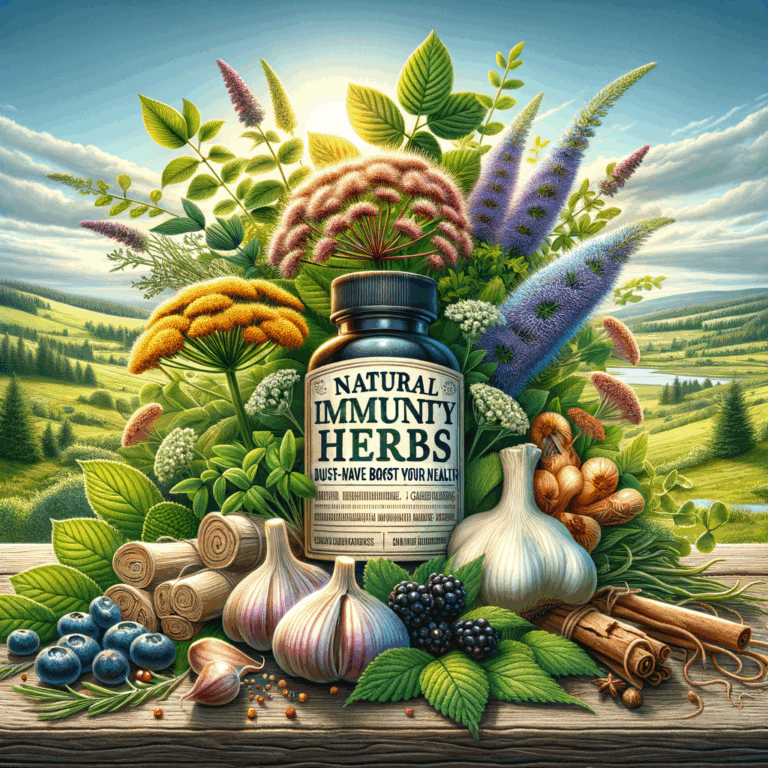
Herbs have been part of healing traditions worldwide for centuries. They vary widely in their uses and benefits. For flu recovery, specific herbs can help ease symptoms and boost the immune system. For instance, echinacea is famous for its immune-boosting properties, while elderberry is known for reducing the duration of flu symptoms.
Moreover, herbs like ginger and garlic possess antiviral properties that may help your body fight off the flu virus. These natural options offer an excellent way to support your body during recovery, making the process feel smoother and less burdensome.
Essential Herbal Remedies for the Flu
When seeking herbal flu recovery options, several remedies stand out. Here’s a list of some must-try herbs:
1. Echinacea: Traditionally used to enhance immune function, this herb may help reduce flu symptoms.
2. Elderberry: Studies suggest that elderberry can shorten the duration of flu symptoms and ease congestion.
3. Ginger: Known for its anti-inflammatory properties, ginger can soothe sore throats and reduce fever.
4. Peppermint: This herb may relieve nasal congestion and soothe headaches.
5. Garlic: Rich in allicin, garlic can enhance the immune response and fight off infections.
6. Thyme: Often used for respiratory issues, thyme may help relieve coughing and ease chest discomfort.
Integrating these herbs into your routine may require different methods, such as teas, capsules, or tinctures. Choose what fits you best and follow recommended dosages.
Nutritional Support for Herbal Flu Recovery
In addition to herbs, proper nutrition plays a vital role in recovery. Eating the right foods can complement herbal treatments. Focus on consuming nutrient-dense meals rich in vitamins and minerals.
Here are some core foods to consider:
– Citrus Fruits: Oranges, lemons, and grapefruits are high in vitamin C, boosting your immune system.
– Leafy Greens: Spinach and kale provide antioxidants that help your body recover.
– Broth-Based Soups: Chicken or vegetable broth can soothe your throat and keep you hydrated.
– Yogurt: Probiotics in yogurt support gut health, which is linked to immunity.
Maintaining good hydration is also essential during flu recovery. Aim for at least eight glasses of water daily. Herbal teas are an excellent way to boost your fluid intake while enjoying the benefits of the herbs.
Lifestyle Changes for Better Recovery
Beyond herbs and nutrition, certain lifestyle changes can enhance your recovery process. Make these adjustments to support your healing journey:
– Rest: Your body needs time to heal. Prioritize sleep and relaxation.
– Stay Warm: Keep your body warm. This can help ease chills and overall discomfort.
– Practice Good Hygiene: Wash your hands regularly to avoid further infections.
– Limit Stress: Find ways to reduce stress, such as meditation or gentle yoga.
By adopting these changes, you set the stage for a smoother recovery. Each step is an investment in your health, contributing to overall well-being.
The Importance of Mindfulness in Recovery
While focusing on physical health is critical, don’t overlook your emotional well-being. Mindfulness techniques can help improve your mood and reduce anxiety during recovery. Practices like deep breathing or guided meditation can create a calm and focused environment.
Connecting with loved ones during your recovery can also enhance emotional support. Sharing your experiences and feelings can alleviate stress and provide comfort.
Conclusion
Embracing herbal flu recovery involves a multi-faceted approach. By integrating herbal remedies, nutritious foods, and mindful practices, you can enhance your healing journey. Always remember to consult with a healthcare professional before starting any new treatment, especially if you’re already on medication.
FAQs
1. What is herbal flu recovery?
– Herbal flu recovery uses natural remedies to alleviate flu symptoms and promote healing.
2. Which herbs are best for flu recovery?
– Echinacea, elderberry, ginger, peppermint, garlic, and thyme are popular choices.
3. Can I take herbs with over-the-counter medications?
– Always consult a healthcare provider before mixing herbal remedies with prescribed medications.
4. How do I prepare herbal teas?
– Steep 1-2 teaspoons of dried herbs in hot water for 5-10 minutes. Strain and enjoy.
5. Is it safe to use herbal remedies for children?
– Always consult a pediatrician before giving any herbal remedies to children.
6. How long does flu recovery take?
– Recovery can take a few days to a week, depending on the individual and the virus strain.
7. Can I prevent the flu with herbal remedies?
– Some herbs may support immune function, but vaccines are the primary method of prevention.
8. Is it essential to see a doctor during flu recovery?
– If symptoms worsen or persist, consult a healthcare provider for guidance.
9. What lifestyle changes support flu recovery?
– Prioritize rest, stay warm, practice good hygiene, and reduce stress.
10. Can I use herbs alongside traditional medicine?
– Yes, but consult a healthcare provider to ensure safe and effective combined use.
References
– National Center for Complementary and Integrative Health: NCCIH Fact Sheets
– PubMed Central: Elderberry for Flu
– WebMD: Herbs for Colds and Flu
By following these guidelines, you create a holistic strategy for recovery, paving the way toward better health.
About the Author