- Herbal Flu Recovery: Understanding the Basics
- Understanding Herbal Remedies
- What Are Herbal Remedies?
- Why Choose Herbal Remedies?
- Essential Herbs for Flu Recovery
- Elderberry
- Ginger
- Echinacea
- Lifestyle Changes for Faster Recovery
- Stay Hydrated
- Rest and Sleep
- Dietary Tips for Herbal Flu Recovery
- Consume Immune-Boosting Foods
- Incorporate Herbal Teas
- Additional Herbal Remedies
- Garlic
- Honey
- When to Seek Medical Attention
- Simple Practical Tips for Convenient Recovery
- FAQs
- Conclusion
- References
Herbal Flu Recovery: Understanding the Basics
Herbal flu recovery begins with understanding how your body responds to the flu. The flu virus can sap your energy and leave you feeling exhausted. Thankfully, natural remedies can aid your body in healing. These remedies not only bolster your immune system but also ease symptoms. Many people find relief in using herbal solutions, which often come with fewer side effects than conventional medications.
Incorporating herbal remedies into your flu recovery plan can lead to a more effortless healing process. You might wonder how to get started or which herbs can be most beneficial. This guide will explore essential tips and herbal remedies that can hasten your recovery from the flu.
Understanding Herbal Remedies
What Are Herbal Remedies?
Herbal remedies utilize plant-based ingredients to treat various health issues, including the flu. These remedies often involve herbs, roots, flowers, and leaves. They can be consumed as teas, tinctures, capsules, or even incorporated into meals. Many cultures have relied on herbal solutions for centuries, making them a rich part of traditional medicine.
Why Choose Herbal Remedies?
People often turn to herbal remedies for numerous reasons. Firstly, they can be more affordable than prescription medications. Secondly, they often have fewer side effects. Additionally, these natural solutions can be combined with conventional treatments for enhanced effectiveness.
Research shows that certain herbs contain active compounds that can strengthen the immune system, reduce inflammation, and alleviate symptoms like fever and congestion. For these reasons, herbal flu recovery can be a valuable addition to your wellness toolkit.
Essential Herbs for Flu Recovery
Elderberry
Elderberry is renowned for its immune-boosting properties. Studies show that it can reduce the duration of flu symptoms significantly. This berry contains antioxidants and vitamins that help ward off infections. You can consume elderberry in syrup form or as a tea.
Ginger
Ginger is not just a spice but a powerful medicinal herb. It has anti-inflammatory properties that can soothe sore throats and reduce fever. You can add fresh ginger to your teas or consume it in capsule form. It’s a versatile ingredient that enhances many dishes, providing both flavor and health benefits.
Echinacea
Echinacea is popular for fighting colds and flu. It is believed to stimulate the immune system, helping your body to fend off infections faster. You can find echinacea in various forms, including teas, tinctures, and supplements. When you feel the first signs of illness, start taking echinacea to support your immune functionality.
Lifestyle Changes for Faster Recovery
Stay Hydrated
Hydration is one of the most important aspects of flu recovery. Water helps flush toxins from your body, alleviating symptoms such as headaches and fatigue. Herbal teas also count towards your fluid intake and can provide added benefits. Aim for at least 8-10 glasses of water daily.
Rest and Sleep
Your body needs extra rest to fight off the flu effectively. Prioritize sleep and give your body time to heal. A well-rested body can better combat the virus and reduce the time it takes to recover. Create a relaxing bedtime routine to improve your sleep quality.
Dietary Tips for Herbal Flu Recovery
Consume Immune-Boosting Foods
Your diet plays a significant role in your recovery. Focus on consuming foods rich in vitamins and minerals. Foods like citrus fruits, garlic, and leafy greens can bolster your immune response. Proteins such as fish and poultry support the healing process as well.
Incorporate Herbal Teas
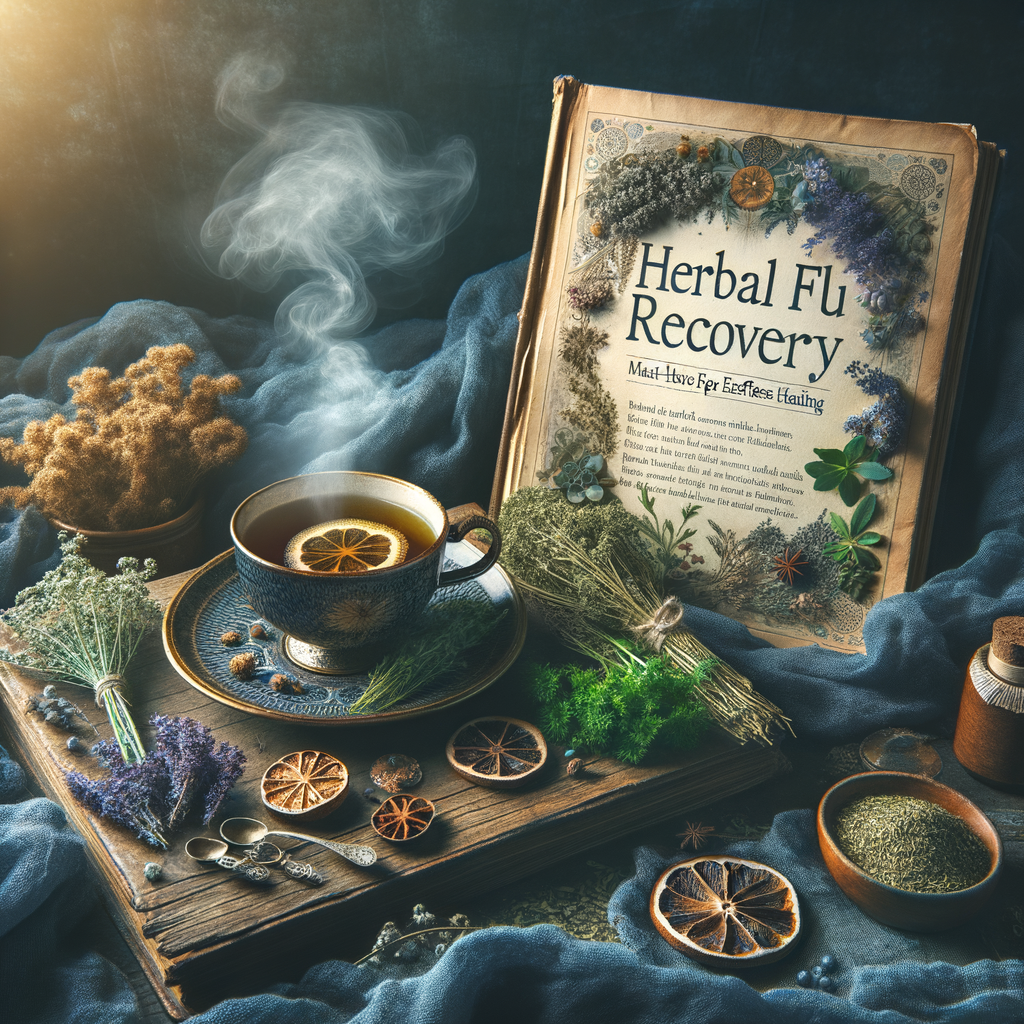
Herbal teas are an excellent way to combine hydration with the benefits of herbs. Consider trying a mix of ginger and lemon or peppermint tea. These can soothe your throat while providing essential nutrients. Drinking warm teas can also relieve congestion.
| Herbal Tea Types | Benefits |
|———————-|———————————–|
| Ginger Tea | Soothe sore throat, reduce fever |
| Peppermint Tea | Relieves congestion, soothing |
| Echinacea Tea | Immune booster |
| Chamomile Tea | Promotes relaxation and sleep |
Additional Herbal Remedies
Garlic
Garlic has been praised for its medicinal properties for centuries. Its antiviral and antibacterial effects can support your immune system during the flu. Add raw or cooked garlic to your meals for maximum effect.
Honey
Honey is not just a delicious addition to your tea; it’s a natural remedy that can soothe coughs and sore throats. Its antimicrobial properties may help fight off infections. Opt for raw honey for the most benefits.
When to Seek Medical Attention
While herbal flu recovery methods can be highly effective, it’s crucial to know when to consult a healthcare professional. If your symptoms worsen or persist for more than a week, seek medical advice. Other warning signs include high fever, severe headaches, and difficulty breathing.
Simple Practical Tips for Convenient Recovery
1. Create a Healing Environment: Make your space cozy and inviting. Soft lighting and comfortable blankets can help you relax.
2. Track Your Symptoms: Keep a journal so you can monitor your recovery. This record helps you notice patterns and makes it easier to consult with your doctor if needed.
3. Connect with Nature: If you’re feeling up to it, a gentle walk outside can boost your mood and provide fresh air. Nature has a calming effect that enhances overall recovery.
FAQs
1. How long does it take to recover from the flu with herbal remedies?
Recovery time varies, but most people see improvement within a week with proper care.
2. Can I take herbal remedies with my prescribed medications?
Always consult your healthcare provider first, as some herbs can interact with medications.
3. Are there side effects of herbal remedies?
While generally safe, some people may experience allergies or interactions. Monitor what works for you.
4. Can I use herbal remedies for children?
Some herbs are safe for kids, but dosage and form vary. Always consult a pediatrician first.
5. Should I continue herbal remedies after flu symptoms have disappeared?
Once you feel better, it’s typically safe to stop. However, some people continue using herbal supplements for immune support.
6. Where can I buy high-quality herbal remedies?
Look for reputable health food stores, pharmacies, or online retailers that specialize in herbal products.
7. Are there studies supporting the effectiveness of these herbs?
Yes, various studies show that herbs like elderberry and echinacea can help mitigate flu symptoms.
8. When is the best time to start taking herbal remedies for the flu?
It’s best to start at the first sign of illness for maximum benefit.
9. Can I make my own herbal teas at home?
Absolutely! Many herbs are available fresh or dried, allowing you to create your own teas.
10. What else can I do to support flu recovery?
In addition to herbal remedies, maintain a balanced diet, stay active as needed, and keep your mind engaged.
Conclusion
Herbal flu recovery offers a natural path toward feeling better. By incorporating essential herbs and making some lifestyle changes, you can support your body’s healing process. Remember, always consult with a healthcare provider if you have questions or concerns. With the right approach, you’ll be well on your way to a speedy recovery.
References
1. National Center for Complementary and Integrative Health
2. WebMD – Elderberry for Colds and Flu
3. Healthline – Benefits of Ginger
4. Mayo Clinic – Echinacea
5. Johns Hopkins Medicine – Garlic Benefits
About the Author