- Understanding Hair Loss: Causes and Remedies
- The Power of Nature: Herbs for Hair Growth
- Amla (Indian Gooseberry)
- Rosemary
- Horsetail
- Essential Oils for Hair Loss
- Lavender Oil
- Peppermint Oil
- Nutritional Supplements for Healthy Hair
- Biotin
- Zinc
- Iron
- Lifestyle Changes to Support Hair Growth
- Stress Management
- Sleep Hygiene
- Hydration
- DIY Herbal Hair Loss Remedies
- Herbal Hair Masque
- Infused Herbal Oil
- When to Seek Professional Help
- Common Myths About Hair Loss Remedies
- Myth 1: Herbal Remedies Work Overnight
- Myth 2: Only Women Experience Hair Loss
- Myth 3: More is Better
- FAQs Regarding Herbal Hair Loss Remedies
- 1. Can I mix different herbal remedies together?
- 2. How often should I use herbal remedies?
- 3. Are there side effects to using herbal remedies?
- 4. How long does it take to see results?
- 5. Can anyone use essential oils for hair loss?
- 6. What’s the best way to store homemade herbal oils?
- 7. Are store-bought herbal products effective?
- 8. Can diet alone prevent hair loss?
- 9. Is it safe to color my hair while using herbal remedies?
- 10. What’s the best time of day for scalp massage?
- Conclusion
- References
Understanding Hair Loss: Causes and Remedies
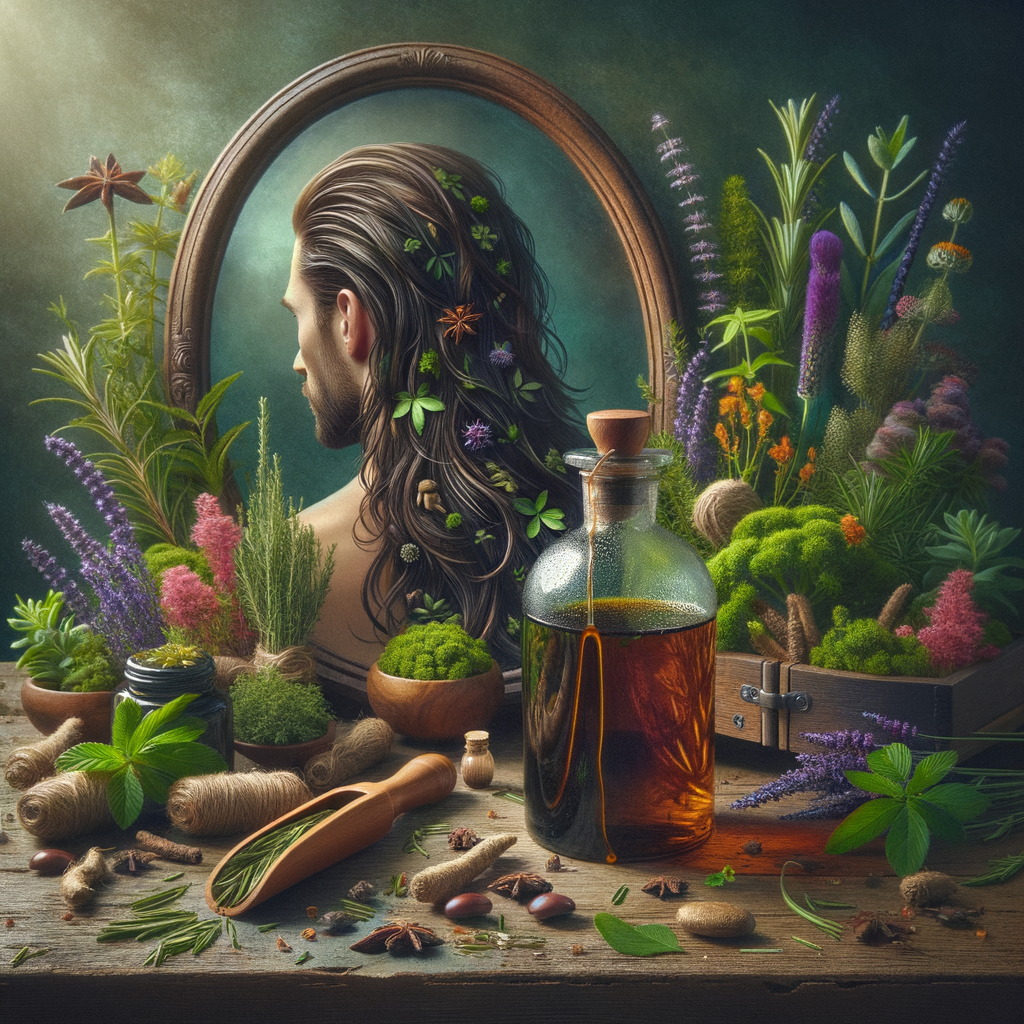
Herbal hair loss remedy offers a natural alternative for those seeking fuller, thicker locks. Hair loss can stem from various factors, including genetics, hormonal changes, stress, and environmental influences. Understanding the root causes is crucial in tackling this common issue effectively.
The types of hair loss, such as androgenetic alopecia, telogen effluvium, and alopecia areata, each require different approaches. Knowing your specific type can help you choose suitable remedies. Moreover, emotional stress can lead to conditions like telogen effluvium, where hair takes longer to regrow after falling out. Recognizing these patterns can significantly improve your treatment plan.
The Power of Nature: Herbs for Hair Growth
Numerous herbal remedies have emerged as powerful allies in promoting hair growth. These remedies not only nourish hair but also address underlying issues that contribute to hair loss. Here’s a look at some of the most effective herbs you can incorporate into your hair care routine.
Amla (Indian Gooseberry)
Amla tops the list of herbal hair loss remedies. Packed with vitamin C, it strengthens hair follicles and enhances scalp health. You can use amla in various forms, such as oil or powder. Here’s how to use it:
– Amla Oil Massage: Mix amla oil with a carrier oil like coconut oil. Massage it into your scalp weekly.
– Amla Hair Mask: Combine amla powder with yogurt and apply it to your hair for about 30 minutes.
Rosemary
Rosemary is another fantastic herb. It improves circulation in the scalp, promoting hair growth. Studies have shown that rosemary oil can be as effective as minoxidil, a common hair growth treatment.
To harness its power, try these methods:
– Rosemary Infused Oil: Soak fresh rosemary in olive oil for a couple of weeks. Use it as a scalp treatment.
– Rosemary Rinse: Brew a strong rosemary tea and use it as a final rinse after shampooing to stimulate growth.
Horsetail
Horsetail contains silica, which strengthens hair. It also has antioxidant properties that fight free radicals damaging hair. Consider adding horsetail in two ways:
– Horsetail Tea: Drink it daily to nourish your hair from within.
– Horsetail Extract: Apply this topically to bolster the health of your hair.
Essential Oils for Hair Loss
Incorporating essential oils into your hair care routine can provide remarkable benefits. Essential oils, derived from plants, can invigorate your scalp while nourishing your hair. Here are some popular options:
Lavender Oil
Lavender not only has a calming scent, but it’s also known to promote hair growth. Its antifungal properties help prevent dandruff and related hair loss.
– Usage: Mix a few drops with a carrier oil and massage it into your scalp.
Peppermint Oil
Peppermint oil generates a cooling sensation and improves blood circulation. This enhanced circulation can lead to increased hair growth.
– Usage: Dilute it with a carrier oil and apply to your scalp before rinsing.
Nutritional Supplements for Healthy Hair
Besides external treatments, your diet plays a vital role in hair health. Incorporating specific supplements can provide your hair with essential vitamins and minerals.
Biotin
Biotin is famous for its role in promoting hair health. It helps strengthen hair and nails, reducing breakage. Foods rich in biotin include eggs, nuts, and whole grains.
Zinc
Zinc deficiency can lead to hair loss. This mineral is crucial for hair tissue repair and growth. You can find zinc in:
– Oysters
– Red meat
– Legumes
Iron
An iron deficiency can hinder hair growth. Foods rich in iron, such as leafy greens and lean meats, are excellent for maintaining healthy locks.
Lifestyle Changes to Support Hair Growth
Addressing your hair loss involves more than just topical treatments. Making small lifestyle changes can have a significant impact.
Stress Management
Chronic stress can lead to hair loss. Practicing mindfulness techniques, such as yoga or meditation, can help alleviate stress. Regular physical activity also fosters overall well-being.
Sleep Hygiene
Adequate sleep helps regulate hormones that affect hair growth. Aim for 7-9 hours of quality sleep each night to support your health.
Hydration
Drinking enough water maintains hydration levels in your body and supports hair health. Aim for at least 8 glasses of water a day.
DIY Herbal Hair Loss Remedies
Making your own herbal hair loss remedy can be both fun and rewarding. Here are a couple of easy recipes to try at home.
Herbal Hair Masque
Ingredients:
– 2 tablespoons amla powder
– 1 tablespoon neem powder
– 1 cup yogurt
Instructions:
Mix all ingredients into a paste. Apply on the scalp and let it sit for 30 minutes before rinsing. This masque nourishes hair while addressing dandruff, a common contributor to hair loss.
Infused Herbal Oil
Ingredients:
– ½ cup coconut oil
– 2 tablespoons dried rosemary
– 2 tablespoons dried nettle
Instructions:
Heat the coconut oil and steep the herbs for 30 minutes. Strain and store in a bottle. Use this oil for regular scalp massages to invigorate hair.
When to Seek Professional Help
If you notice significant hair loss, consider consulting a healthcare professional. They can help identify underlying issues, such as hormonal imbalances or nutritional deficiencies. A dermatologist can provide tailored recommendations specific to your situation.
Common Myths About Hair Loss Remedies
As with any health topic, misconceptions abound. Let’s clarify a few common myths surrounding herbal hair loss remedies.
Myth 1: Herbal Remedies Work Overnight
Many believe that instant results are possible. In reality, hair growth takes time. Patience and consistency are key.
Myth 2: Only Women Experience Hair Loss
Hair loss affects both genders. Men and women can benefit from similar herbal treatments.
Myth 3: More is Better
Applying excessive treatments can strain your hair and scalp. Moderation is essential for effective results.
FAQs Regarding Herbal Hair Loss Remedies
1. Can I mix different herbal remedies together?
Absolutely! Combining herbs usually enhances their benefits. Ensure they are suitable for your hair type.
2. How often should I use herbal remedies?
Aim to apply treatments 1-3 times a week. Consistency yields better results.
3. Are there side effects to using herbal remedies?
Generally, herbal treatments are safe. However, always perform a patch test before applying anything new.
4. How long does it take to see results?
Results vary, but typically you may start noticing changes within a few weeks to a couple of months with consistent use.
5. Can anyone use essential oils for hair loss?
Most people can safely use essential oils. However, those with sensitive skin should dilute them or consult a healthcare provider.
6. What’s the best way to store homemade herbal oils?
Store your homemade oils in a cool, dark place in a glass bottle to prolong their shelf life.
7. Are store-bought herbal products effective?
Many store-bought options contain beneficial ingredients. However, always check the ingredients list for quality.
8. Can diet alone prevent hair loss?
While a balanced diet supports hair health, it may not prevent genetic or medical hair loss.
9. Is it safe to color my hair while using herbal remedies?
Yes, but consider waiting a few days after application to allow the herbs to work.
10. What’s the best time of day for scalp massage?
The best time is when you feel relaxed. You can do it in the morning or before bed.
Conclusion
Exploring herbal remedies for hair loss can be both empowering and beneficial. Whether you choose to apply oils, consume herbs, or adjust your lifestyle, each step contributes to healthier hair. Always remember that consistency is key in enjoying the full benefits of these natural solutions.
References
1. National Center for Biotechnology Information
2. Healthline: Essential Oils for Hair Growth
3. Medical News Today: Herbs for Hair Loss
4. WebMD: Vitamins and Hair Growth
About the Author