- Understanding Hair Loss: Causes and Solutions
- Popular Herbal Remedies for Hair Loss
- 1. Aloe Vera
- 2. Rosemary Oil
- 3. Saw Palmetto
- 4. Ginseng
- 5. Fenugreek Seeds
- 6. Hibiscus
- How to Incorporate Herbal Remedies Efficiently
- Create a Hair Care Routine
- Nutritional Support
- Scalp Massage Techniques
- Consistency and Patience
- Lifestyle Changes for Hair Health
- Reduce Stress
- Stay Hydrated
- Avoid Harsh Treatments
- Exploring Commercial Herbal Products
- Choosing the Right Products
- DIY Herbal Treatments
- Hair Masks and Rinses
- Conclusion: Embrace Natural Solutions for Hair Loss
- FAQs
- 1. How long does it take to see results from herbal hair loss remedies?
- 2. Can I combine multiple herbal remedies?
- 3. Are herbal remedies safe for all hair types?
- 4. Can diet alone prevent hair loss?
- 5. Are there any side effects with herbal remedies?
- 6. How often should I apply herbal treatments?
- 7. Can stress really cause hair loss?
- 8. What should I do if I have severe hair loss?
- 9. Can I use essential oils directly on my scalp?
- 10. Is it possible to reverse hair loss completely?
- References
Understanding Hair Loss: Causes and Solutions
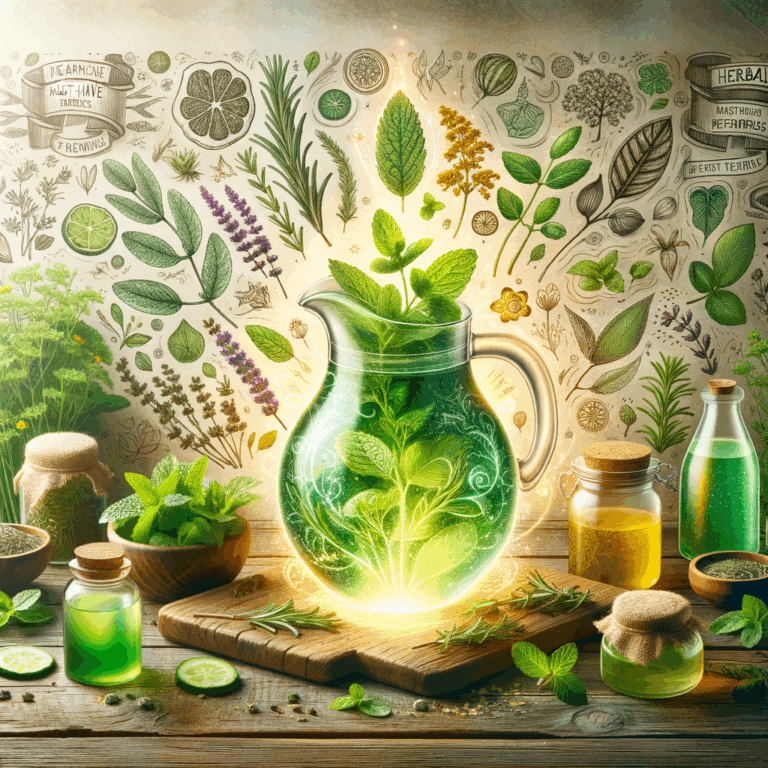
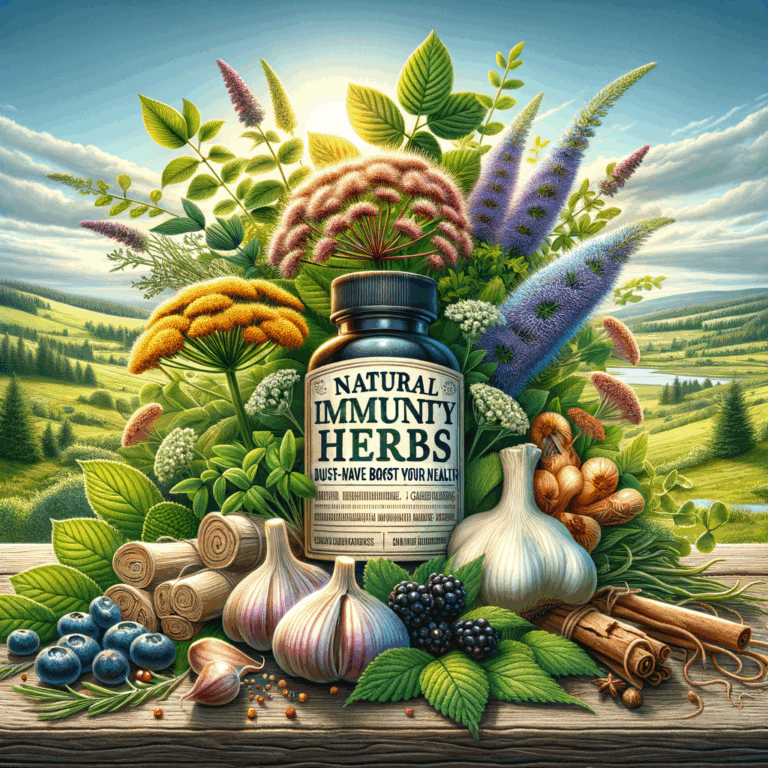
Herbal hair loss remedy offers a natural approach to combatting thinning hair and baldness. Hair loss can stem from various factors such as genetics, hormonal changes, stress, and nutritional deficiencies. Understanding the root causes of your hair thinning allows for more targeted and effective treatment options.
Genetic factors play a significant role in hair loss, especially in conditions like androgenetic alopecia, commonly known as male or female pattern baldness. Hormonal changes during pregnancy, menopause, or thyroid problems can also contribute to hair thinning. Stress and a poor diet can create a perfect storm, leading to unhealthy hair growth. Knowing these causes can guide you toward proper solutions.
In many cases, resorting to harsh chemical treatments can further harm your hair. Instead, natural remedies provide gentle yet effective options for revitalizing your locks. Let’s explore a variety of herbal remedies known for their effectiveness.
Popular Herbal Remedies for Hair Loss
There are numerous herbal remedies available to help combat hair loss. Each herb has unique properties that might contribute to healthier hair. Here are some popular choices:
1. Aloe Vera
Aloe Vera is renowned for its soothing properties. It hydrates the scalp, reduces dandruff, and promotes hair growth. The enzymes in Aloe Vera help break down dead skin cells, allowing hair follicles to breathe. To use, simply apply fresh Aloe Vera gel to your scalp and leave it for about 30 minutes before rinsing.
2. Rosemary Oil
Rosemary oil is highly regarded for its ability to stimulate hair growth. It improves blood circulation to the scalp, strengthening the hair follicles. You can mix a few drops of rosemary oil with a carrier oil like coconut or olive oil. Massage the blend into your scalp regularly for optimal results.
3. Saw Palmetto
Saw Palmetto extracts are derived from the fruit of the plant. This remedy is particularly effective for those prone to baldness. Research suggests it can block the production of DHT, a hormone linked to hair loss. Taking saw palmetto in capsule form or using a topical solution can enhance your hair’s health.
4. Ginseng
Ginseng is well-known in traditional medicine for promoting overall health. It stimulates hair follicles and boosts hair production. You can find ginseng in various forms, including teas, extracts, or capsules. Regular intake can yield positive results for those battling hair loss.
5. Fenugreek Seeds
Fenugreek seeds are packed with nutrients that nourish hair. They contain proteins and nicotinic acid, which can help strengthen and rejuvenate hair. Soaking the seeds overnight, grinding them into a paste, and applying them to the scalp can work wonders for hair health.
6. Hibiscus
Hibiscus flowers are rich in vitamins and amino acids, promoting hair growth. Not only does it prevent premature graying, but it also strengthens the hair shaft. Creating an infusion or using hibiscus oil can easily integrate this remedy into your hair care routine.
How to Incorporate Herbal Remedies Efficiently
While engaging with these herbal remedies, consistency is key. Here’s how to effectively integrate them into your routine:
Create a Hair Care Routine
Establish a regular hair care routine that includes herbal treatments. You can alternate between remedies each week to find what works best. For example, consider using Aloe Vera one week and rosemary oil the next.
Nutritional Support
Your diet directly influences hair health. Incorporate foods rich in vitamins and minerals. Items like spinach, nuts, and work well alongside your herbal remedies.
Scalp Massage Techniques
Incorporating a scalp massage while applying herbal oils can be beneficial. This practice enhances blood circulation and promotes hair growth. Simply massaging in circular motions for a few minutes daily can yield impressive results.
Consistency and Patience
Remember that natural remedies take time to show results. Use these herbal treatments consistently over an extended period. Misconceptions about immediate results can lead to disappointment, so stay committed to your routine.
Lifestyle Changes for Hair Health
In addition to herbal remedies, certain lifestyle changes can significantly impact hair loss.
Reduce Stress
Stress management is crucial. Techniques such as yoga, meditation, or even simple breathing exercises can help reduce stress levels. A calm mind often translates to better health, including hair quality.
Stay Hydrated
Hydration plays a key role in overall wellness. Drinking enough water supports bodily functions, including hair growth. Aim for at least eight glasses per day to keep everything in balance.
Avoid Harsh Treatments
Avoid harmful hair treatments, like excessive dyeing or heat styling. These can exacerbate hair loss and damage your strands. Opt for gentler alternatives or limit their use.
Exploring Commercial Herbal Products
While many remedies are easily available in nature, commercial herbal products can also offer convenience. These products often combine several beneficial herbs, providing a potent solution for hair health.
Choosing the Right Products
When choosing commercial products, look for those free from parabens and sulfates. Read labels carefully to ensure they contain effective herbal ingredients. Always look for customer reviews and ratings before purchasing.
DIY Herbal Treatments
Creating your own herbal treatments at home can also be enjoyable. You can blend various herbs to develop your customized solution. Research different combinations and find what works best for you.
Hair Masks and Rinses
Consider making hair masks or herbal rinses. Some effective recipes include:
– Aloe Vera and Coconut Oil Mask: Mix equal parts and apply for 30 minutes.
– Rosemary Herbal Rinse: Steep rosemary in boiling water, cool, and use as a rinse after shampooing.
Conclusion: Embrace Natural Solutions for Hair Loss
Understanding the various herbal hair loss remedies allows you to make informed choices. Natural solutions like Aloe Vera, rosemary oil, and ginseng provide ample benefits. Implementing these remedies alongside lifestyle changes can lead to healthier hair over time.
Take a moment to explore different options and find what suits you best. Always aim for consistency and patience as you embark on your hair journey. Remember, the most stunning hair often comes from nurturing it with care.
FAQs
1. How long does it take to see results from herbal hair loss remedies?
Results can vary depending on the remedy and individual factors. Most people typically see improvements within 6 to 12 weeks of consistent use.
2. Can I combine multiple herbal remedies?
Yes, combining remedies can enhance their effectiveness. However, start with one at a time to monitor reactions.
3. Are herbal remedies safe for all hair types?
Most herbal remedies are generally safe for all hair types. However, individuals with sensitive skin should do a patch test first.
4. Can diet alone prevent hair loss?
While diet plays a crucial role in hair health, it should complement other treatments for the best results.
5. Are there any side effects with herbal remedies?
While rare, some individuals may experience allergic reactions. Always consult a healthcare provider if unsure.
6. How often should I apply herbal treatments?
Most herbal treatments can be applied 1-2 times a week for best results without overwhelming the scalp.
7. Can stress really cause hair loss?
Yes, significant stress can lead to temporary hair loss or exacerbate existing conditions.
8. What should I do if I have severe hair loss?
Consult a healthcare professional for proper diagnosis and treatment options, especially for severe cases.
9. Can I use essential oils directly on my scalp?
Most essential oils should be diluted with a carrier oil to avoid irritation. Always check individual guidelines.
10. Is it possible to reverse hair loss completely?
While some natural remedies may help reduce hair loss, results vary widely. Genetics can play a significant role, so managing expectations is crucial.
References
– Healthline: Herbal Remedies for Hair Loss
– Medical News Today: Natural Remedies for Hair Loss
– American Academy of Dermatology: Hair Loss
About the Author