- Understanding Inflammation
- Why Choose Herbal Remedies?
- Top Herbal Inflammation Remedies
- 1. Turmeric
- 2. Ginger
- 3. Willow Bark
- 4. Boswellia
- Effective Combinations for Maximum Relief
- Lifestyle Changes to Support Herbal Remedies
- Diet Matters
- Exercise Regularly
- Manage Stress
- When to Consult a Professional
- Frequently Asked Questions
- 1. What are the best herbs for inflammation?
- 2. How do I use turmeric effectively?
- 3. Are there side effects to herbal remedies?
- 4. How long does it take to see effects from herbal remedies?
- 5. Can I take multiple herbal remedies at once?
- 6. Is it safe to use herbal remedies alongside conventional medicine?
- 7. Do these remedies work for everyone?
- 8. Can I grow my own herbs for remedies?
- 9. What lifestyle changes help with inflammation?
- 10. Are all herbal supplements the same quality?
- Conclusion
- References
Understanding Inflammation
Herbal inflammation remedy options offer a unique approach to pain relief. Inflammation is the body’s natural response to injury or infection. While it serves a purpose in healing, chronic inflammation can lead to various health issues. Whether it’s joint pain, headaches, or even digestive discomfort, knowing how to manage inflammation is key to improving your overall well-being.
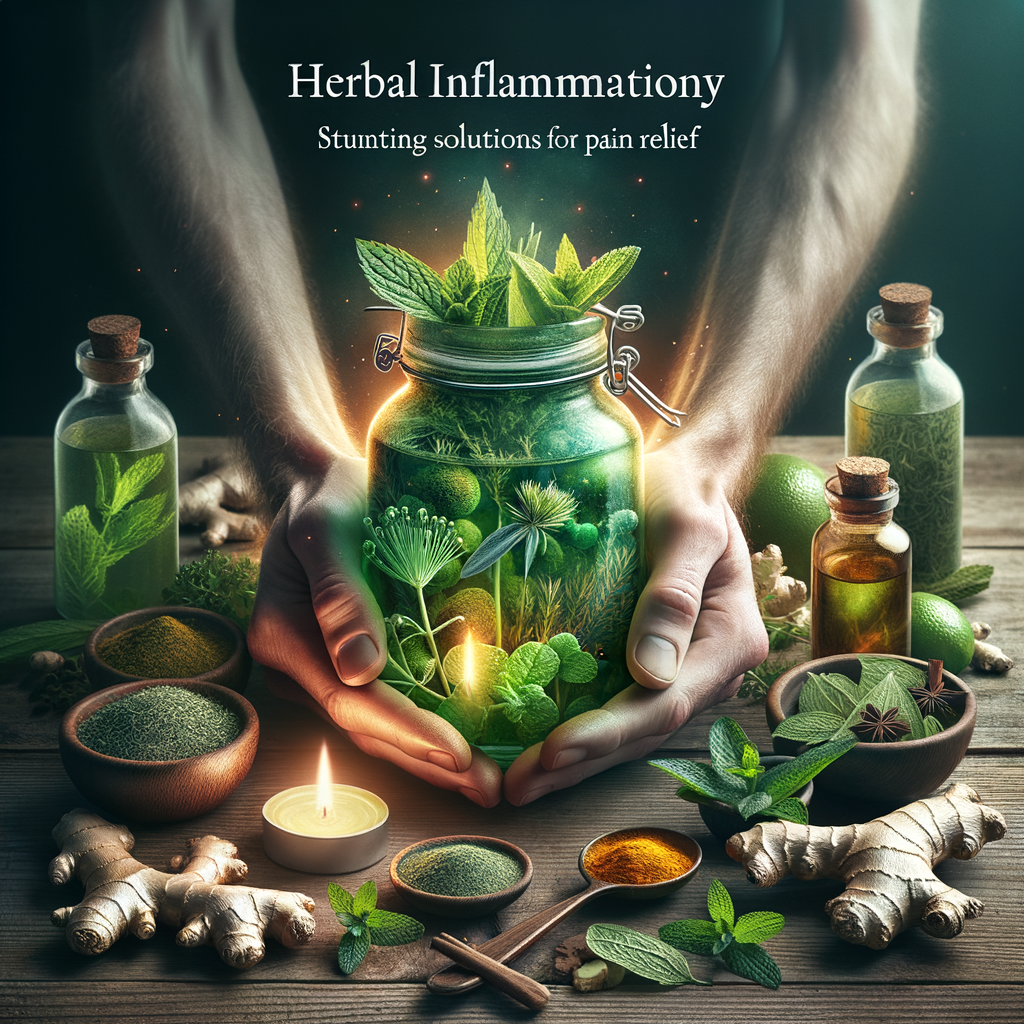
Natural remedies have gained popularity as effective alternatives to conventional medications. They often come with fewer side effects and can enhance your body’s healing processes. Let’s explore how these herbal remedies can provide stunning solutions for pain relief.
Why Choose Herbal Remedies?
Choosing an herbal inflammation remedy can be both effective and safe. Many individuals prefer these remedies because they harness the power of nature. They can target inflammation effectively without the complications that often accompany pharmaceuticals. Herbal options tend to work by addressing the root cause of inflammation rather than just masking the symptoms.
Moreover, herbal remedies often come with additional health benefits. For instance, many herbs are rich in antioxidants and nutrients, which can boost overall health. When selecting a remedy, being aware of these added benefits can guide you toward the best option for your specific needs.
Top Herbal Inflammation Remedies
1. Turmeric
Turmeric is one of the most well-known herbs for inflammation. Its active compound, curcumin, possesses powerful anti-inflammatory properties. Research shows that curcumin can reduce levels of several inflammatory markers in the body, making it an excellent option for pain relief.
You can consume turmeric in various forms, including capsules, teas, or simply by adding it to your meals. Many people enjoy making a golden milk drink—a mixture of turmeric, milk (or a dairy-free alternative), and spices.
2. Ginger
Ginger is another fantastic herbal inflammation remedy. Known for its warming properties, ginger not only aids digestion but also helps reduce inflammation. Studies indicate that ginger may relieve pain associated with osteoarthritis and muscle soreness.
You can use ginger fresh, dried, or in powdered form. Adding ginger tea to your routine can be a flavorful way to harness its benefits. Simply boil water with sliced ginger root for a soothing drink.
3. Willow Bark
Willow bark has long been used as a natural pain reliever. It contains salicin, which the body converts into salicylic acid—the active ingredient in aspirin. This herb may help reduce inflammation and alleviate pain, particularly in arthritis sufferers.
You can find willow bark in tea, capsule, or extract form. It is crucial, however, to consult a healthcare provider before starting, especially if you’re taking other medications.
4. Boswellia
Boswellia, also known as Indian frankincense, has been used for centuries in Ayurvedic medicine. It has potent anti-inflammatory effects that can be particularly helpful for chronic conditions like rheumatoid arthritis.
This herb is available in various forms, including capsules and extracts. Users often report noticeable improvement in joint pain and mobility after regular use.
Effective Combinations for Maximum Relief
Combining different herbs can enhance their effects. Here are a few powerful combinations to consider:
| Combination | Benefits |
|—————————|———————————————–|
| Turmeric + Ginger | Synergistic anti-inflammatory effects |
| Boswellia + Feverfew | Enhanced pain relief for migraine sufferers |
| Ginger + Garlic | Improved digestive health alongside inflammation relief |
Always consult with a healthcare professional before trying out combinations, especially if other health issues are involved.
Lifestyle Changes to Support Herbal Remedies
Using herbal inflammation remedies can be very effective, but they are most beneficial when combined with certain lifestyle changes. Adopting a holistic approach can amplify your results.
Diet Matters
Focus on an anti-inflammatory diet that includes whole foods, healthy fats, and plenty of fruits and vegetables. Omega-3 fatty acids, found in fish and flaxseeds, are especially effective at combating inflammation. Reducing processed foods can also dramatically decrease inflammatory responses in the body.
Exercise Regularly
Regular physical activity can significantly reduce inflammation. Aim for at least 30 minutes of moderate exercise most days of the week. Yoga and stretching can improve flexibility and aid in reducing muscle tension. Stronger muscles often lead to less strain on your joints, thus reducing inflammation.
Manage Stress
Chronic stress can exacerbate inflammation. Incorporating relaxation techniques, such as meditation or deep-breathing exercises, can help you manage stress better. Even simple practices like taking a short walk in nature can do wonders for your mental state.
When to Consult a Professional
While herbal remedies can be effective, consulting with a healthcare professional is crucial for personalized recommendations. This step becomes particularly important if you’re pregnant, nursing, or taking other medications. Herbal supplements can interact adversely, leading to unwanted side effects.
A healthcare provider can help design a tailored plan that encompasses the right herbs, dosages, and lifestyle changes suited for your individual situation.
Frequently Asked Questions
1. What are the best herbs for inflammation?
Turmeric, ginger, and boswellia are among the top choices for reducing inflammation.
2. How do I use turmeric effectively?
You can take turmeric in capsule form, add it to food, or drink it as tea.
3. Are there side effects to herbal remedies?
While generally safe, some herbs can interact with medications. Always consult your doctor.
4. How long does it take to see effects from herbal remedies?
Results vary by individual, but many people notice improvements within a few weeks.
5. Can I take multiple herbal remedies at once?
Yes, but it’s essential to consult a healthcare provider to avoid any negative interactions.
6. Is it safe to use herbal remedies alongside conventional medicine?
It can be safe, but there’s a risk of interaction. Always check with your doctor.
7. Do these remedies work for everyone?
Effectiveness varies per individual. What works for one person may not work for another.
8. Can I grow my own herbs for remedies?
Yes, many herbs like basil and mint are easy to grow in small pots.
9. What lifestyle changes help with inflammation?
Eating an anti-inflammatory diet, exercising, and managing stress can all help.
10. Are all herbal supplements the same quality?
Not all supplements are created equal. Look for third-party testing and reputable brands.
Conclusion
Incorporating an herbal inflammation remedy into your life may transform your pain management and overall health. By choosing the right herbs and making necessary lifestyle adjustments, you can address inflammation head-on. Don’t forget to consult a healthcare professional before beginning any new regimen, especially if you have existing health conditions.
For more details on herbal remedies and their benefits, check out the resources below.
References
1. National Center for Complementary and Integrative Health: Herbs at a Glance
2. Healthline: Turmeric
3. WebMD: Ginger
4. Mayo Clinic: Willow Bark
5. Healthline: Boswellia
By being informed and strategic, you have the potential to alleviate pain and enhance your quality of life using nature’s own remedies.
About the Author