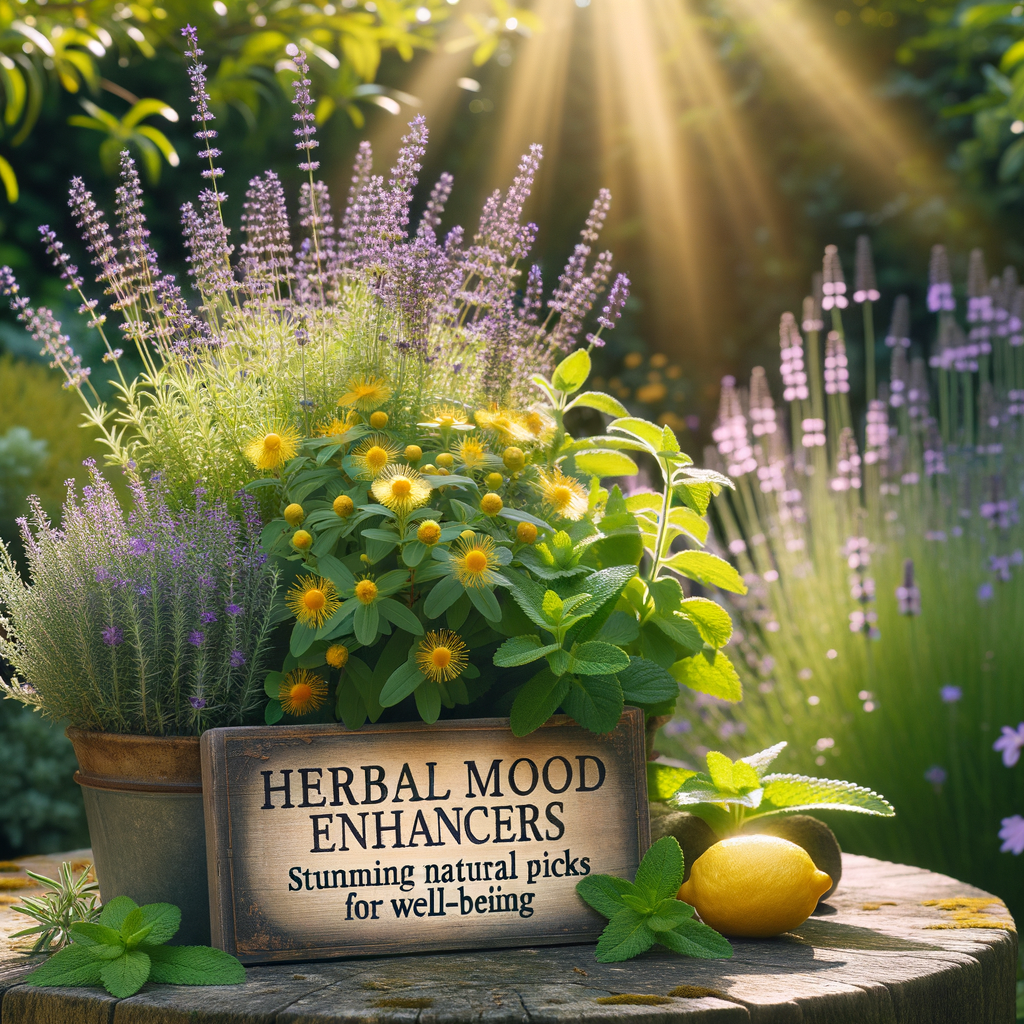
- Herbal Mood Enhancers: Nature’s Gift for Emotional Well-Being
- The Science Behind Herbal Mood Enhancers
- Popular Herbal Mood Enhancers
- 1. St. John’s Wort
- 2. Ashwagandha
- 3. Rhodiola Rosea
- 4. Lavender
- 5. Chamomile
- 6. Passionflower
- 7. Ginseng
- How to Incorporate Herbal Mood Enhancers into Your Life
- Possible Side Effects and Considerations
- Conclusion
- FAQs
- References
Herbal Mood Enhancers: Nature’s Gift for Emotional Well-Being
Herbal mood enhancers have gained popularity as natural alternatives to help improve emotional health. In today’s fast-paced world, many seek ways to manage stress, anxiety, and depression without resorting to pharmaceuticals. Herbal remedies offer a wealth of options, providing not just relief but also enhancing overall well-being. By incorporating these natural solutions, you can create a supportive environment for emotional balance.
Understanding herbal mood enhancers allows us to appreciate their potential benefits fully. These plants and herbs provide various properties that can uplift your spirits, promoting wellness from the inside out. So, let’s explore some of the most effective herbal mood enhancers available today and how they can enrich your life.
The Science Behind Herbal Mood Enhancers
Herbal mood enhancers work through various biochemical mechanisms in the body. Many of them contain compounds that affect neurotransmitters—the chemicals responsible for communication between nerve cells. This interaction can help regulate mood and emotional health. For instance, some herbs elevate serotonin and dopamine levels, two crucial neurotransmitters linked to feelings of happiness and well-being.
Moreover, research has shown that certain herbs contain adaptogens. Adaptogens are substances that help the body adapt to stress, promoting a sense of calm and resilience. By understanding how these herbs function, you can make informed choices about incorporating them into your daily routine.
Popular Herbal Mood Enhancers
1. St. John’s Wort
St. John’s Wort has been used for centuries to help with mood regulation. Many studies indicate its effectiveness in treating mild to moderate depression. This herb contains hypericin, which is believed to inhibit the reuptake of serotonin, enhancing its availability in the brain.
When considering St. John’s Wort, be cautious about potential interactions with medications. Always consult a healthcare provider before starting any new herbal regimen.
2. Ashwagandha
Known for its adaptogenic properties, ashwagandha helps the body combat stress. It contains compounds that improve resilience and can enhance mood by reducing cortisol levels—the hormone linked to stress. Additionally, research suggests that ashwagandha may improve anxiety symptoms and promote a sense of calm.
Adding ashwagandha to your daily routine can be seamless. It often comes in powder form, which you can mix into smoothies or herbal teas.
3. Rhodiola Rosea
Rhodiola Rosea is a powerful herb that has been shown to improve mood and alleviate symptoms of stress. Some studies reveal that it can increase the production of serotonin and dopamine. These effects promote feelings of well-being and energy.
This herb is often available in capsule form, making it easy to take. However, moderating your intake is crucial, as excessive consumption can lead to side effects like insomnia.
4. Lavender
With its delightful fragrance, lavender enhances relaxation and promotes emotional balance. This herb has calming properties that help alleviate anxiety and improve sleep quality.
You can use lavender in many ways. Consider using essential oils in aromatherapy, adding dried lavender to teas, or even enjoying it as a part of your culinary adventures.
5. Chamomile
Chamomile is another well-known herbal mood enhancer. Its calming effects have helped people unwind for generations. Studies suggest that chamomile can significantly reduce anxiety symptoms, allowing you to find peace in a chaotic world.
Drinking chamomile tea before bed can create a soothing nighttime routine, setting the tone for a good night’s sleep.
6. Passionflower
Passionflower is an intriguing herb that has shown promise in treating anxiety and insomnia. Some research indicates that it works similarly to benzodiazepines, enhancing feelings of calm without the side effects.
Consuming passionflower as a tea or in tincture form can help you find relief and regain a sense of serenity.
7. Ginseng
Ginseng, particularly Asian ginseng, offers mood-enhancing benefits. This herb acts as an adaptogen and helps your body adapt to stress while boosting energy levels. It may also improve mood by increasing serotonin levels.
Incorporating ginseng into your diet can be as easy as adding it to smoothies or taking it as a supplement.
How to Incorporate Herbal Mood Enhancers into Your Life
Integrating herbal mood enhancers into your routine can be affordable and enjoyable. Here are some tips:
1. Start Slowly: If you’re new to herbal remedies, start with small doses to see how your body reacts.
2. Experiment with Different Forms: Herbal mood enhancers come in various forms, such as teas, tinctures, capsules, and essential oils. Experiment to find what works best for you.
3. Create a Routine: Establish a daily ritual around your herbal uses. This can enhance your mindfulness and help you track their effects on your mood.
4. Combine with a Healthy Lifestyle: While herbal supplements can help, they work best in combination with a balanced diet, exercise, and adequate sleep.
5. Consult a Professional: Especially if you are on medication or have existing health conditions, consulting with a healthcare provider is crucial.
Possible Side Effects and Considerations
While herbal mood enhancers are natural, they are not free from side effects. Each person reacts differently to these products. Below are some common considerations:
– Interaction with Medications: Many herbs can interact with prescribed medications. Always discuss your herbal regimen with your healthcare provider to avoid complications.
– Allergic Reactions: Some people may experience allergic reactions to specific herbs. Monitor yourself closely when trying a new herb.
– Pregnancy and Breastfeeding: If you’re pregnant or nursing, consult your doctor before using any herbal supplements.
Conclusion
Herbal mood enhancers offer a treasure trove of options for those seeking emotional well-being. By understanding the various herbs and their benefits, you can choose the right ones to support your mental and emotional health. Whether it’s St. John’s Wort for depression or lavender for relaxation, each herbal choice contributes to your overall sense of well-being.
Incorporating these natural elements into your routine can feel empowering. The journey to emotional balance often involves trial and discovery. Take the time to find what works best for your unique needs and enjoy the process of nurturing your well-being.
FAQs
1. Are herbal mood enhancers safe for everyone?
While many herbal mood enhancers are safe, they can interact with medications. Always consult a healthcare professional before use.
2. How long does it take to feel the effects of herbal mood enhancers?
Effects can vary. Some might notice changes within a few days, while others may need weeks to feel a significant impact.
3. Can I combine different herbal mood enhancers?
Yes, but proceed with caution. Combining herbs can enhance effects, but it can also increase the chance of side effects.
4. Are there any specific dosages I should follow?
Dosages can vary based on the herb and form. Follow product instructions and consult a professional for tailored advice.
5. Can I use herbal mood enhancers while on medication?
Many herbal supplements can interact with medications. Always consult a healthcare provider to ensure safety.
6. Are there lifestyle changes I should consider?
Integrating a balanced diet, regular exercise, and stress management techniques can improve the effectiveness of herbal mood enhancers.
7. Can children use herbal mood enhancers?
Not all herbs are safe for children. Consultation with a pediatrician is crucial before giving any herbal supplements to minors.
8. What’s the best way to consume herbal mood enhancers?
Herbal mood enhancers come in various forms, including teas, capsules, tinctures, and oils. Choose a method that suits your preferences.
9. Are there side effects associated with herbal mood enhancers?
Some individuals may experience side effects, including digestive issues or allergic reactions. Monitor closely and consult a professional if needed.
10. Can I grow my own herbal mood enhancers?
Yes! Many mood-enhancing herbs, like lavender and chamomile, can be grown at home. This can be a rewarding way to access fresh herbs.
References
– National Center for Complementary and Integrative Health. (n.d.). St. John’s Wort. NCCIH
– University of Maryland Medical Center. (n.d.). Ashwagandha. UMM
– National Institutes of Health. (n.d.). Rhodiola Rosea. NIH
– Harvard Health Publishing. (2020). The health benefits of lavender. Harvard Health
– American Botanical Council. (n.d.). Herbalgram. ABC
About the Author