- What Are Herbal Mood Enhancers?
- Popular Herbal Mood Enhancers
- 1. St. John’s Wort
- 2. Ashwagandha
- 3. Rhodiola Rosea
- 4. Chamomile
- 5. Lavender
- Combining Herbal Mood Enhancers
- Effective Combinations
- How to Choose Quality Herbal Mood Enhancers
- Lifestyle Tips to Boost Mood Naturally
- Precautions and Side Effects
- Frequently Asked Questions (FAQs)
- 1. What are herbal mood enhancers?
- 2. How do herbal mood enhancers work?
- 3. Are herbal mood enhancers safe?
- 4. Can I take multiple herbal mood enhancers together?
- 5. What is the best time to take herbal mood enhancers?
- 6. How long does it take for herbal mood enhancers to work?
- 7. Can I use herbal mood enhancers with other medications?
- 8. Are there any side effects of herbal mood enhancers?
- 9. Can children take herbal mood enhancers?
- 10. Where can I buy herbal mood enhancers?
- References
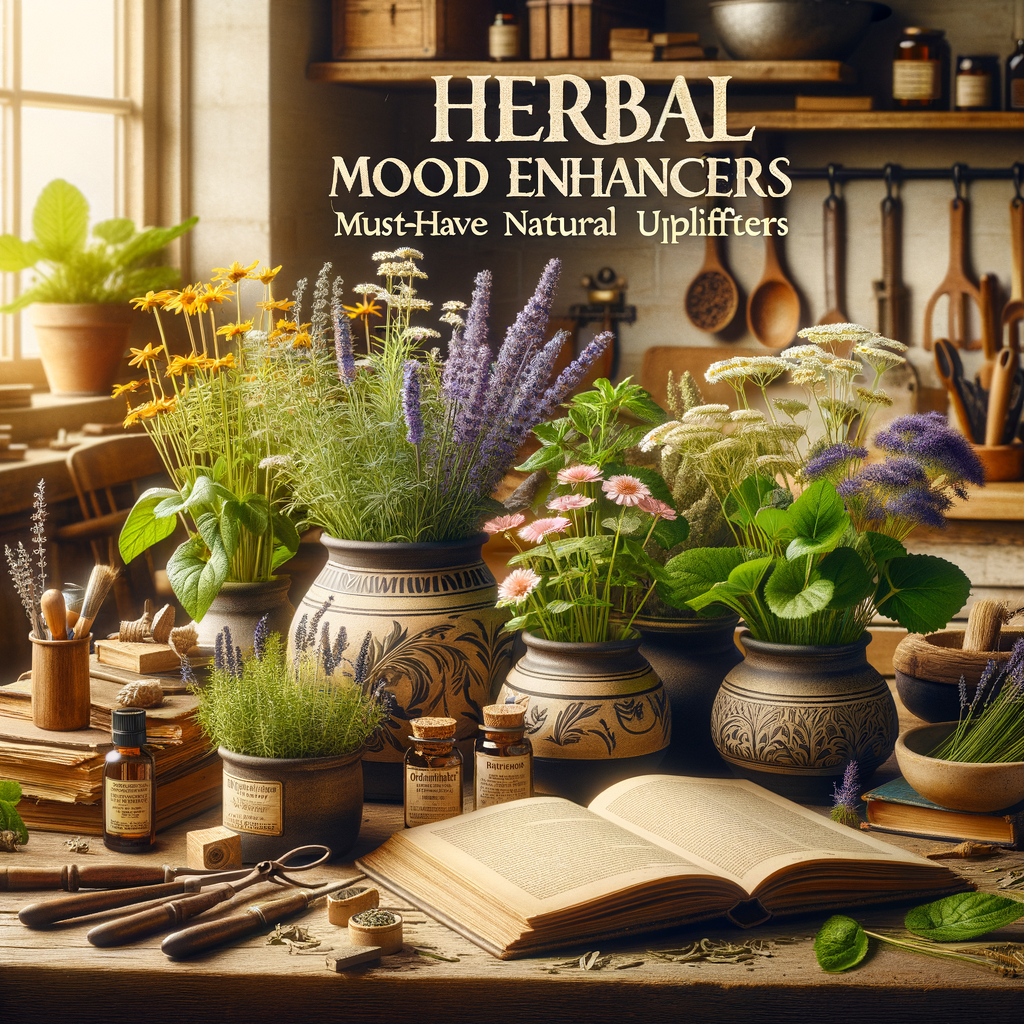
What Are Herbal Mood Enhancers?
Herbal mood enhancers are natural substances that help lift your spirits and improve overall mental well-being. These plants and extracts have been used for centuries across various cultures. They offer a holistic approach to emotional health, often with fewer side effects than pharmaceutical options. In an age where mental wellness is increasingly important, many people are turning to herbal alternatives to support their mood.
Often, lifestyle factors like diet, exercise, and stress can impact your emotional state. While professional help is essential for severe conditions, integrating herbal mood enhancers into your routine can promote a positive mindset. However, always consult a healthcare provider before starting any new supplement or treatment, especially if you’re currently taking medications.
Popular Herbal Mood Enhancers
1. St. John’s Wort
St. John’s Wort has long been a favorite among herbal remedies. This bright yellow flower boasts properties that may help alleviate mild to moderate depression. Numerous studies suggest it can be as effective as some antidepressants for certain individuals.
– Dosage: Typically, 300 mg of standardized extract taken three times daily.
– Considerations: It can interact with various medications, so consult your doctor before use.
2. Ashwagandha
Ashwagandha is a staple in Ayurvedic medicine, cherished for its adaptogenic properties. It works by helping your body manage stress more effectively. This root can promote relaxation and reduce anxiety, making it a powerful ally for emotional well-being.
– Dosage: A standard dose ranges from 300 to 600 mg daily.
– Considerations: Make sure to choose a quality extract for maximum benefits.
3. Rhodiola Rosea
Often referred to as “golden root,” Rhodiola Rosea has been used in traditional medicine to combat fatigue and enhance mood. This adaptogen functions by balancing cortisol levels, which can help reduce stress and increase resilience.
– Dosage: Generally, 200 to 400 mg is recommended daily.
– Considerations: It may cause mild side effects like dizziness in some individuals.
4. Chamomile
Chamomile is not just a soothing tea; it also has mood-enhancing properties. Research indicates that it can improve sleep quality and reduce anxiety, thanks to its calming effects.
– Dosage: 400 to 1600 mg of chamomile extract may be beneficial.
– Considerations: Mild allergic reactions can occur, particularly in those allergic to related plants.
5. Lavender
Lavender has been used for centuries to promote relaxation and uplift mood. The soothing scent of lavender oil can reduce anxiety and improve sleep quality. Aromatherapy or topical applications can enhance its effects as well.
– Dosage: 25 to 50 mg of lavender oil taken orally.
– Considerations: Be mindful of possible allergies.
Combining Herbal Mood Enhancers
Using multiple herbal mood enhancers can often offer improved results, as they may complement each other’s effects. However, it’s crucial to proceed with caution. Create blends or formulations mindfully, and always consult a healthcare professional.
Effective Combinations
| Combination | Benefits |
|————-|———-|
| Ashwagandha + Rhodiola | Stress relief and increased energy |
| Chamomile + Lavender | Enhanced relaxation and improved sleep |
| St. John’s Wort + Omega-3 Fatty Acids | Mood elevation and emotional support |
How to Choose Quality Herbal Mood Enhancers
With numerous products on the market, it’s essential to choose high-quality herbal mood enhancers. Here are some tips to help you make informed choices:
– Look for Standardization: Choose products that specify the percentage of active ingredients.
– Check for Third-Party Testing: Brands that are independently tested ensure quality and potency.
– Read Reviews: Customer feedback can provide insights about effectiveness and any adverse reactions.
Additionally, consider purchasing from reputable sources that prioritize ethical harvesting and sustainability. It’s not just about what you consume but also how it impacts the environment.
Lifestyle Tips to Boost Mood Naturally
While herbal mood enhancers can offer support, it’s essential to complement them with healthy lifestyle choices. Incorporate the following habits to maintain emotional well-being:
– Regular Exercise: Engaging in physical activity releases endorphins, enhancing mood.
– Adequate Sleep: Aim for seven to nine hours of quality sleep to support mental health.
– Mindfulness Practices: Yoga and meditation can help manage stress and promote emotional balance.
– Healthy Diet: Include mood-boosting foods rich in omega-3s, antioxidants, and vitamins.
Precautions and Side Effects
Before incorporating herbal mood enhancers into your regimen, it’s essential to understand potential side effects and interactions. Herbal remedies can have unexpected reactions when combined with medications. For instance, St. John’s Wort can decrease the effectiveness of certain prescriptions.
Always start with small doses, paying attention to how your body reacts. If you encounter unusual symptoms, discontinue use and consult a healthcare professional immediately.
Frequently Asked Questions (FAQs)
1. What are herbal mood enhancers?
Herbal mood enhancers are natural substances that help improve mood and emotional well-being, often with fewer side effects than pharmaceuticals.
2. How do herbal mood enhancers work?
They typically work by affecting neurotransmitters or hormones that influence mood, helping to alleviate stress and anxiety.
3. Are herbal mood enhancers safe?
In general, they are safe for many people, but some can interact with medications. Always consult a healthcare provider before starting any new herbal supplement.
4. Can I take multiple herbal mood enhancers together?
Yes, but it’s essential to do so cautiously and ideally under the guidance of a healthcare professional.
5. What is the best time to take herbal mood enhancers?
The best time can vary by individual and herb, but many people find morning doses beneficial for daily energy and focus.
6. How long does it take for herbal mood enhancers to work?
Effects can vary. Some may feel improvements within a week, while others might take several weeks to notice benefits.
7. Can I use herbal mood enhancers with other medications?
Some herbal supplements can interact with medications, making it vital to consult your healthcare provider beforehand.
8. Are there any side effects of herbal mood enhancers?
Side effects can occur, including mild gastrointestinal issues, dizziness, or allergic reactions, depending on the herb and individual sensitivities.
9. Can children take herbal mood enhancers?
Some herbal products can be safe for children, but it’s crucial to seek guidance from a pediatrician before use.
10. Where can I buy herbal mood enhancers?
You can purchase these supplements at health food stores, pharmacies, or reputable online retailers. Always look for quality certifications.
References
1. Siddiqui, M.A., et al. (2020). “The Efficacy of St John’s Wort in Depression.” Journal of Affective Disorders. Link
2. Chandrasekhar, K., et al. (2016). “Efficacy of Ashwagandha in Anxiety and Stress.” Indian Journal of Psychological Medicine. Link
3. Panossian, A., & Wikman, G. (2010). “Effects of Rhodiola Rosea on Mood and Cognitive Function.” Phytotherapy Research. Link
4. Cline, T. (2021). “Lavender: A Natural Path to Calm.” HerbalGram. Link
5. Senior, A., & Prichard, M. (2020). “The Benefits of Chamomile for Stress Relief.” Journal of Herbal Medicine. Link
Feel free to explore these resources for a deeper understanding of herbal mood enhancers and their benefits.
About the Author