- Understanding Herbal Respiratory Support
- Top Herbs for Lung Health
- 1. Thyme
- 2. Eucalyptus
- 3. Peppermint
- Lifestyle Practices for Respiratory Health
- Breathing Exercises
- Hydration
- Foods to Boost Lung Health
- Antioxidant-Rich Foods
- Omega-3 Fatty Acids
- Conclusion
- FAQs
- 1. What are herbal remedies for asthma?
- 2. Can herbs interact with medications?
- 3. How often should I drink herbal teas for lung health?
- 4. Are there side effects associated with herbal remedies?
- 5. Should I use essential oils if I have allergies?
- 6. How long does it take to see results from herbal remedies?
- 7. Can diet alone improve lung health?
- 8. What should I avoid for better lung health?
- 9. Can children benefit from herbal respiratory support?
- 10. What are some common signs of lung problems?
- References
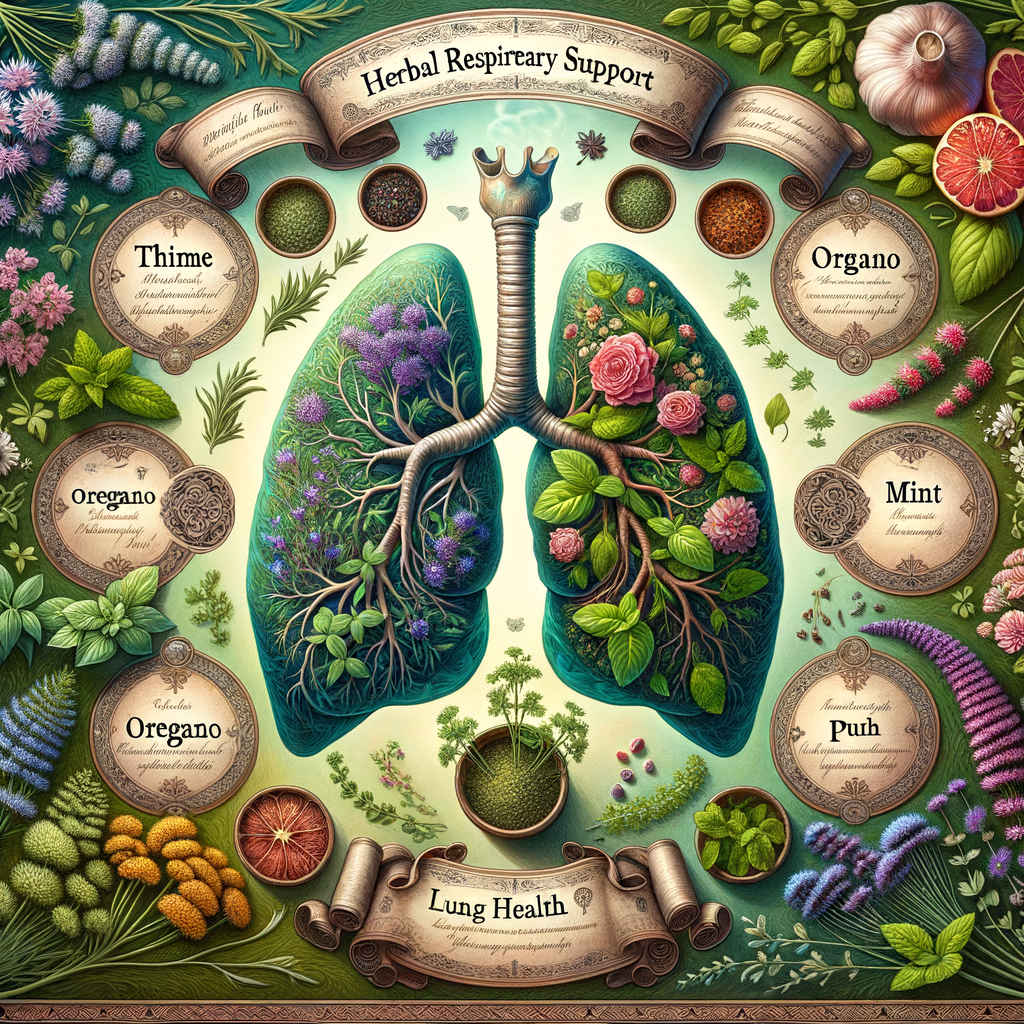
Understanding Herbal Respiratory Support
Herbal respiratory support has gained significant attention in recent years. People are increasingly looking for natural remedies to boost lung health and overall respiratory function. This shift reflects a growing awareness of the benefits that herbal medicine offers. In this article, we explore various herbs, remedies, and practices to support your lungs effectively.
When we talk about lung health, we often consider factors like air quality, smoking, and exercise. However, adding specific herbs to your daily routine can make a noticeable difference. Many cultures have used these plants for centuries, highlighting their effectiveness. Let’s dive into the remedies that can provide substantial support for your respiratory system.
Top Herbs for Lung Health
1. Thyme
Thyme is not only a popular culinary herb; it offers numerous health benefits too. This herb contains thymol, an active compound known for its antiseptic properties. By soothing inflammation and clearing mucus, thyme ensures your airways remain open and free.
Here’s how to incorporate thyme into your routine:
– Thyme Tea: Boil water and add a handful of fresh thyme. Strain after steeping for 10 minutes. Enjoy this soothing tea to alleviate respiratory issues.
– Thyme Essential Oil: Dilute this in a carrier oil and use it for aromatherapy. Inhaling the scent helps soothe the throat and bronchial tubes.
2. Eucalyptus
Eucalyptus is a powerful herb famed for its decongestant properties. The essential oil of eucalyptus helps clear mucus from the lungs. Additionally, its anti-inflammatory effects can relieve symptoms of colds and respiratory infections.
To use eucalyptus effectively, consider:
– Steam Inhalation: Add a few drops of eucalyptus oil to a bowl of hot water. Cover your head with a towel and breathe deeply. This method opens airways and enhances breathing.
– Chest Rub: Mix eucalyptus oil with coconut oil and massage it onto your chest when feeling congested.
3. Peppermint
Peppermint contains menthol, which acts as a natural decongestant. This herb not only opens airways but also provides a refreshing aroma that uplifts your mood. By easing sinus pressure, peppermint promotes better airflow.
You can use peppermint in several ways:
– Peppermint Tea: Steep fresh leaves or tea bags in hot water. This not only clears your respiratory tract but also soothes digestive issues.
– Inhalation: Use peppermint essential oil in a diffuser to enjoy the calming benefits throughout your space.
Lifestyle Practices for Respiratory Health
Breathing Exercises
Incorporating breathing exercises into your daily routine can significantly enhance lung function. Techniques such as diaphragmatic breathing promote efficient lung use. You can practice this technique by taking deep breaths, allowing your abdomen to expand outward.
Other options include:
– Pursed Lip Breathing: Inhale through your nose for two counts, then exhale through pursed lips for four counts. This method helps keep your airways open for longer.
– Rhythmic Breathing: Find a comfortable position, inhale for a count of four, hold for seven, then exhale for eight. Repeat several times to strengthen lung capacity.
Hydration
Staying hydrated is essential for keeping your airways moist. Water helps thin mucus, allowing it to drain more easily. Aim to drink at least eight glasses of water daily. You can also consume herbal teas to increase your fluid intake.
Consider adding hydrating foods to your diet as well:
– Fruits: Watermelon, cucumber, and oranges are excellent choices.
– Soups: Warm broths also provide hydration while delivering essential nutrients.
Foods to Boost Lung Health
Antioxidant-Rich Foods
Antioxidants play a crucial role in supporting lung health. They help combat oxidative stress caused by pollution and smoking. Incorporate the following foods into your meals:
– Berries: Blueberries, strawberries, and raspberries are all high in antioxidants.
– Leafy Greens: Spinach and kale provide essential nutrients that help maintain lung function.
Omega-3 Fatty Acids
Foods rich in omega-3 fatty acids can help reduce inflammation in the lungs. Including these foods in your diet can promote better respiratory health:
– Fatty Fish: Salmon, mackerel, and sardines offer high levels of omega-3s.
– Chia Seeds: These seeds are a plant-based source of omega-3s, making them a fantastic addition to smoothies and salads.
Conclusion
Maintaining optimal lung health has never been more critical. Herbal respiratory support offers various remedies that can enhance your overall well-being. From thyme to eucalyptus, these herbs promote clearer airways and better lung function. In addition to herbal remedies, practices like breathing exercises and proper hydration also contribute to stronger lung health.
Adopting a holistic approach can yield excellent results. By integrating these herbs and lifestyle habits into your daily routine, you can support your respiratory system and improve your quality of life.
FAQs
1. What are herbal remedies for asthma?
Herbal remedies like ginger, ginseng, and turmeric can help reduce inflammation and improve airflow. Always consult a healthcare professional before using herbs for asthma.
2. Can herbs interact with medications?
Yes, some herbs can interact with medications. Always consult your doctor before incorporating new herbs into your routine.
3. How often should I drink herbal teas for lung health?
Consider drinking herbal teas 2-3 times a day for maximum benefits.
4. Are there side effects associated with herbal remedies?
Although generally safe, some herbs may cause allergic reactions. Always perform a patch test or consult a healthcare provider.
5. Should I use essential oils if I have allergies?
If you have allergies, consult your doctor before using essential oils, as some may trigger symptoms.
6. How long does it take to see results from herbal remedies?
Results can vary depending on the herb and individual metabolism. Consistency is key; some may notice improvements within weeks.
7. Can diet alone improve lung health?
While a healthy diet contributes significantly, combining diet with herbal remedies and lifestyle changes offers the best results.
8. What should I avoid for better lung health?
Avoid smoking, exposure to air pollutants, and processed foods high in sugars and unhealthy fats to maintain better lung health.
9. Can children benefit from herbal respiratory support?
Yes, many herbal remedies can support respiratory health in children, but dosage and safety must be assessed first. Always consult a pediatrician.
10. What are some common signs of lung problems?
Persistent cough, wheezing, shortness of breath, and chest tightness can indicate lung issues. Seek medical advice if you experience these symptoms.
References
1. National Center for Complementary and Integrative Health (NCCIH) – Herbal Medicine
2. WebMD – Breathing Exercises
3. Healthline – Herbs for Respiratory Health
4. Mayo Clinic – Improving Lung Function
About the Author