- Understanding Herbal Wellness
- Choosing the Right Herbs
- Identifying Your Health Needs
- Research and Quality Matters
- Incorporating Herbs into Your Daily Life
- Simple Ways to Use Herbs
- Creating a Herbal Routine
- Potential Benefits of Herbal Wellness
- Boosting Immunity
- Supporting Mental Well-Being
- Possible Side Effects and Precautions
- Being Mindful of Dosage
- Consult Professionals for Guidance
- FAQs About Herbal Wellness
- 1. What are the best herbs for stress relief?
- 2. Can I combine different herbs?
- 3. How do I store herbal products?
- 4. Are there side effects to using herbs?
- 5. How long does it take to see results from herbal remedies?
- 6. Can herbal remedies replace conventional medicine?
- 7. Are there any herbs that boost energy?
- 8. Can children use herbal remedies?
- 9. What should I look for in a quality herbal product?
- 10. Can I grow my own herbs for wellness?
- References
Understanding Herbal Wellness
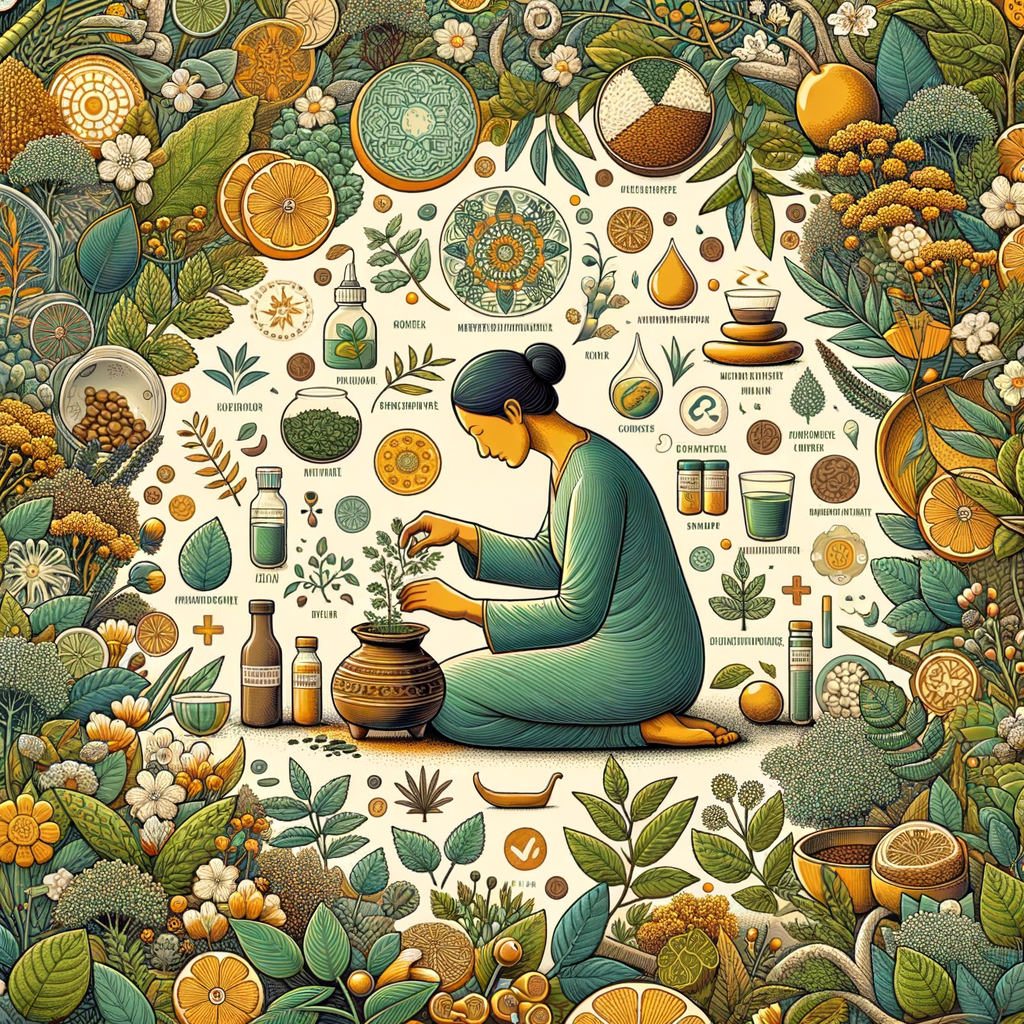
Herbal wellness serves as a bridge between ancient traditions and modern health practices. By using plants and natural remedies, people can enhance their well-being and treat various ailments. The charm of herbal wellness lies in its simplicity and accessibility. This approach does not rely solely on pharmaceutical medications but rather taps into the natural healing properties of plants.
In recent years, the spotlight on herbal wellness has grown significantly. More people are becoming aware of the benefits of these natural remedies. As a result, they are increasingly integrating herbs into their daily routines for optimal health. Let’s explore some essential tips to help you tap into the world of herbal wellness effectively.
Choosing the Right Herbs
Identifying Your Health Needs
Before rushing into any herbal remedies, take the time to understand your health needs. Do you seek to manage stress, improve digestion, or boost your immunity? Identifying specific health goals will help you select the right herbs.
For example, if you often feel overwhelmed, consider calming herbs like chamomile or lavender. These can help soothe anxiety and promote relaxation. On the other hand, if you face digestive issues, peppermint or ginger might be more suitable choices. By aligning herbs with your specific needs, you maximize their effectiveness.
Research and Quality Matters
Once you’ve identified your health needs, invest some time in researching potential herbs. Not all herbal products are created equal, so opt for high-quality sources. Look for products that are organically grown and sustainably sourced. Additionally, check for third-party testing to ensure purity and potency.
Choosing reputable brands contributes to your overall herbal wellness journey. Many retailers provide detailed information about the sourcing and processing of their products. Taking these extra steps will ensure you’re getting the most benefits from your herbal remedies.
Incorporating Herbs into Your Daily Life
Simple Ways to Use Herbs
Integrating herbs into your daily life can be both fun and rewarding. Start with small changes, like adding fresh herbs to your meals. Basil, cilantro, and parsley can elevate the flavor of countless dishes while providing health benefits.
Another popular method is brewing herbal teas. Teas made from ingredients like peppermint, hibiscus, or green tea not only taste delightful but also offer numerous benefits. Drinking herbal teas regularly can enhance hydration and support overall wellness.
Creating a Herbal Routine
To make the most of herbal wellness, create a consistent routine. Choose specific times of the day to consume your herbal remedies, be it in meals, teas, or supplements. Consistency allows your body to adapt and respond better to the herbs.
For instance, you could start your mornings with a warm ginger tea to aid digestion. In the evening, take a moment to unwind with chamomile tea to ease your day’s stresses. This routine will help you intuitively explore which herbs best suit your lifestyle.
Potential Benefits of Herbal Wellness
Boosting Immunity
One of the most notable benefits of herbal wellness lies in its ability to boost immunity. Herbs like echinacea, elderberry, and astragalus can support your body’s defensive systems. Many studies have indicated that these herbs can enhance the immune response.
In times of seasonal changes or flu outbreaks, consider incorporating these immune-boosting herbs into your routine. Regular consumption may help ward off illnesses and promote overall health.
Supporting Mental Well-Being
Mental health is another area where herbal wellness shines. Herbs like ashwagandha and St. John’s wort have gained popularity for their mood-enhancing properties. These herbs can play a role in reducing symptoms of anxiety and depression for some individuals.
Including these herbs as part of a balanced routine may support mental clarity and emotional well-being. Always consult with a healthcare professional, especially if you are on medication or have pre-existing conditions.
Possible Side Effects and Precautions
Being Mindful of Dosage
While herbal remedies can offer many benefits, it’s crucial to use them wisely. Just like any other supplement, excessive consumption can lead to side effects. Always follow dosage recommendations found on product labels or consult an herbalist or healthcare provider.
For example, too much of a potent herb like valerian can lead to excessive drowsiness. Therefore, maintain balance and moderation in your approach to herbal wellness.
Consult Professionals for Guidance
Before starting any new herbal regimen, consult a healthcare provider, particularly if you’re pregnant, breastfeeding, or taking medications. Some herbs can interact with pharmaceuticals, potentially diminishing their effectiveness or causing adverse reactions.
It’s wise to be cautious and informed about potential risks. This proactive step ensures you are approaching your herbal wellness journey safely and effectively.
FAQs About Herbal Wellness
1. What are the best herbs for stress relief?
Herbs like chamomile, ashwagandha, and lavender are excellent for stress relief. They have calming properties that can help soothe anxiety.
2. Can I combine different herbs?
Yes, combining herbs can be beneficial. However, always research interactions and consult a professional to avoid adverse effects.
3. How do I store herbal products?
Store herbal products in a cool, dark place. Airtight containers help maintain the potency of dried herbs and extracts.
4. Are there side effects to using herbs?
While many herbs are safe, some can have side effects. It’s essential to follow dosage recommendations and consult a healthcare professional if needed.
5. How long does it take to see results from herbal remedies?
The time varies by individual and the type of herb used. Some may notice changes within a week, while others may take a month or more.
6. Can herbal remedies replace conventional medicine?
Herbal remedies can complement conventional medicine, but they shouldn’t replace prescribed treatments without consulting healthcare providers.
7. Are there any herbs that boost energy?
Yes! Herbs like ginseng, rhodiola, and maca can enhance energy levels and combat fatigue.
8. Can children use herbal remedies?
Some herbs may be safe for children, but it’s vital to consult a pediatrician before introducing any herbal remedies to young ones.
9. What should I look for in a quality herbal product?
Choose products that are organically grown, sustainably sourced, and independently tested for safety and potency.
10. Can I grow my own herbs for wellness?
Absolutely! Growing your herbs is rewarding and ensures you have fresh, high-quality ingredients for your wellness routine.
Incorporating herbal wellness into your lifestyle can bring numerous benefits. With attention to the right herbs, a solid routine, and knowledge of potential risks, you can harness the power of nature for your health journey. Embrace the beauty of herbal wellness, and your body will thank you.
References
1. National Center for Complementary and Integrative Health (NCCIH): Herbal Medicine
2. American Herbalists Guild: Herbal Safety
3. WebMD: Herbs and Supplements
Feel free to adjust the references as needed for your writing context!
About the Author