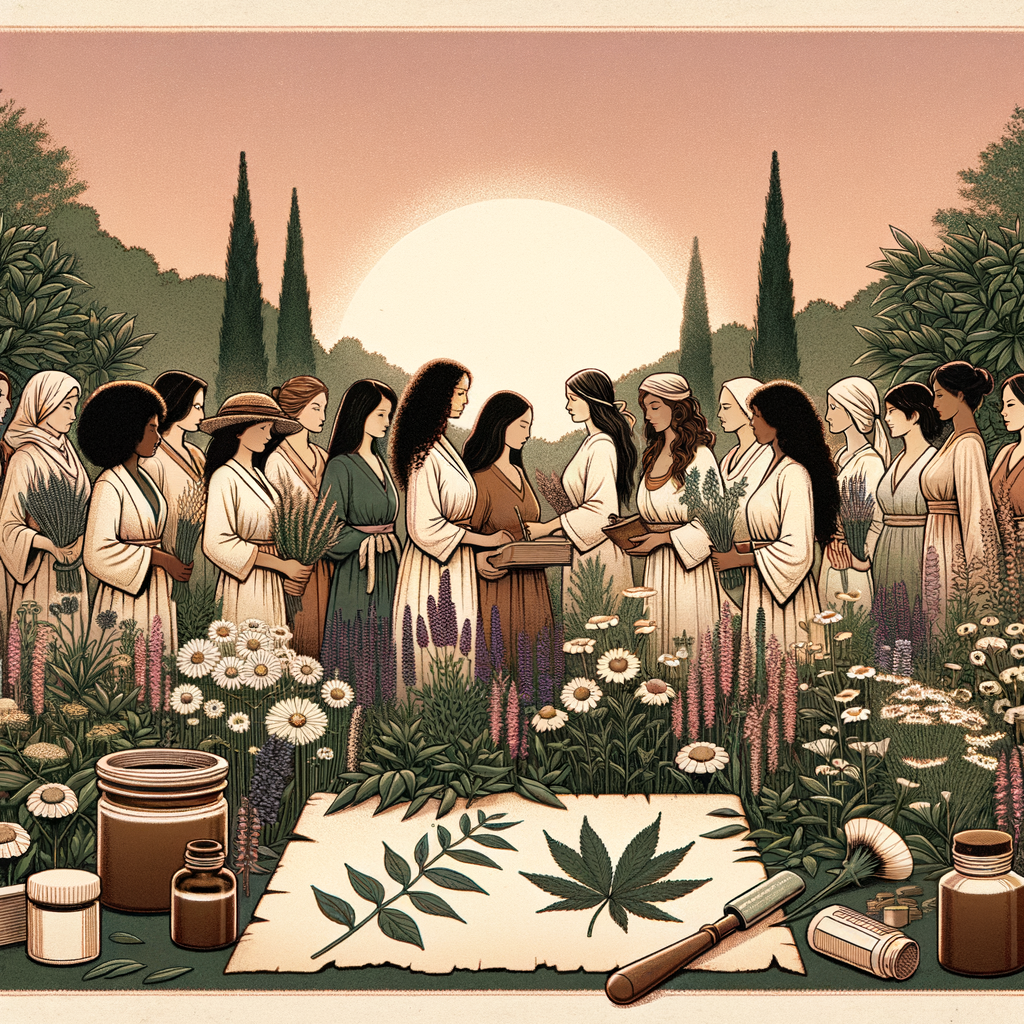
- Herbal Women’s Support: Understanding the Importance
- The Benefits of Herbal Remedies
- Key Herbs for Menstrual Wellness
- Herbal Remedies for Menopause Relief
- Boosting Energy and Mood Naturally
- Herbal Teas for Overall Wellness
- Safety and Considerations
- Combining Lifestyle Changes with Herbal Remedies
- Frequently Asked Questions (FAQs)
- Conclusion
- References:
Herbal Women’s Support: Understanding the Importance
Herbal women’s support plays a crucial role in many aspects of women’s health. For centuries, women have turned to nature for remedies that align with their bodies’ needs. From menstrual irregularities to menopause symptoms, herbal solutions offer a natural path to wellness. With a growing interest in holistic health, it’s time to explore the best herbal remedies tailored for women.
The Benefits of Herbal Remedies
Herbal remedies come with a long list of benefits. They often provide relief without the side effects linked to synthetic medications. Many herbs contain antioxidants and essential nutrients that your body craves. These plants can support hormonal balance, boost immunity, and enhance overall well-being.
Furthermore, herbal remedies often come with additional perks beyond their health benefits. They allow for a personalized approach to wellness. By tailoring your herbal choices to your unique needs, you empower yourself to embrace a natural lifestyle. This journey is not just about addressing symptoms; it’s about nurturing your entire being.
Key Herbs for Menstrual Wellness
When discussing herbal women’s support, several herbs stand out for promoting menstrual wellness. These herbs can help alleviate PMS symptoms and regulate menstrual cycles. Here are some to consider:
– Chaste Tree (Vitex agnus-castus): This herb balances hormones and can ease symptoms of PMS and irregular periods.
– Red Clover (Trifolium pratense): Rich in phytoestrogens, red clover can help ease menstrual discomfort and support hormonal balance.
– Ginger (Zingiber officinale): Known for its anti-inflammatory properties, ginger can relieve menstrual cramps and nausea.
To incorporate these herbs, consider making herbal teas, tinctures, or capsules. Always consult a healthcare provider before starting any new herbal regimen.
Herbal Remedies for Menopause Relief
Menopause is a natural phase in a woman’s life, but it can bring uncomfortable symptoms. Thankfully, herbal women’s support can provide significant relief during this transition. Some effective herbs include:
– Black Cohosh (Actaea racemosa): Often used to alleviate hot flashes and mood swings, black cohosh has shown promise in studies and traditional medicine.
– Dong Quai (Angelica sinensis): This herb supports overall hormonal balance and is beneficial in combating menopausal symptoms.
– Red Clover: As mentioned earlier, its phytoestrogen content helps ease hot flashes and night sweats.
Women often prefer these herbal solutions over synthetic hormone replacement therapies for their natural approach. However, consulting a healthcare professional or herbalist ensures the optimal regimen for your specific needs.
Boosting Energy and Mood Naturally
Women often juggle multiple roles, leading to fatigue and mood swings. Herbal women’s support can help recharge your energy and uplift your spirits. Here are some herbs known to enhance energy levels:
– Ginseng (Panax ginseng): This adaptogen can increase stamina and reduce stress.
– Rhodiola (Rhodiola rosea): Known for its properties to increase mental and physical performance, this herbal remedy can help boost energy.
– Ashwagandha (Withania somnifera): This adaptogen reduces stress and anxiety while enhancing vitality.
Incorporating these herbs into your daily routine can transform your energy levels. Consider using them in teas, smoothies, or capsules.
Herbal Teas for Overall Wellness
Herbal teas are a delightful and effective way to enjoy herbal women’s support. They are easy to prepare and can address various health issues. Here’s how to make delicious herbal teas:
1. Choose Your Herbs: Select herbs based on your wellness goals (e.g., chamomile for relaxation, peppermint for digestion).
2. Boil Water: Bring fresh, filtered water to a boil.
3. Infuse the Herbs: Steep your chosen herbs for at least 5-10 minutes to extract their beneficial properties.
4. Strain and Enjoy: Strain the tea into a cup, add honey or lemon if desired, and enjoy the soothing experience.
You can enjoy these teas daily for maximum benefits. Additionally, herbal teas hydrate you while delivering essential nutrients.
Safety and Considerations
While herbs have numerous benefits, it’s essential to approach them with care. Always check for potential allergies and consult a healthcare provider before starting any new herbal treatment. Some herbs may interact with medications, and understanding how they work is vital.
Pregnant or breastfeeding women should exercise additional caution. Certain herbs may not be safe during these phases. Always do thorough research or seek professional advice.
Combining Lifestyle Changes with Herbal Remedies
Herbal women’s support can be even more effective when combined with lifestyle changes. Here are some strategies that align well with herbal remedies:
– Balanced Diet: Incorporate whole foods, lean proteins, and plenty of fruits and vegetables into your diet. Nutrient-dense foods can complement your herbal remedies.
– Regular Exercise: Engage in physical activity that you enjoy. Exercise releases endorphins and helps regulate hormones.
– Mindfulness Practices: Techniques such as yoga and meditation can boost emotional well-being and improve your response to stress.
Combining these lifestyle changes with herbal support creates a holistic approach to wellness.
Frequently Asked Questions (FAQs)
1. What are herbal remedies?
Herbal remedies are natural plants used to promote health and alleviate symptoms of various conditions.
2. Are herbal remedies safe?
While many herbal remedies are safe, some may cause side effects or interact with medications. Consult with a healthcare professional.
3. How should I take herbal supplements?
Follow the recommended dosage on the product label, or consult a healthcare provider for personalized advice.
4. Can herbal remedies help with hormonal imbalances?
Yes, many herbs, such as chaste tree and black cohosh, are known to support hormonal balance.
5. Are there side effects associated with herbal remedies?
Some herbs can cause side effects or interact with medications. It’s essential to research each herb and consult with a professional.
6. How long does it take for herbal remedies to work?
The time varies based on the individual and the herb. Some may notice benefits within days, while others may require weeks.
7. Can I drink herbal teas daily?
Yes, many herbal teas are safe for daily consumption, but moderation and variety are key.
8. Should I use herbal remedies instead of medications?
Always consult with a healthcare provider. Herbal remedies can complement, but they aren’t a direct replacement for prescribed medications.
9. What lifestyle changes can enhance the effects of herbal remedies?
A healthy diet, regular exercise, and stress management practices can improve the effectiveness of herbal remedies.
10. Where can I find quality herbal products?
Look for reputable brands that provide transparency in sourcing and production. Local health stores often carry high-quality products.
Conclusion
Embracing herbal women’s support opens the door to a more natural, holistic approach to wellness. From combating menstrual irregularities to easing menopausal symptoms, herbs offer solutions for various stages of a woman’s life. By understanding the benefits and incorporating these remedies into your daily routine, you can take active steps towards better health.
Let your journey to wellness be rooted in nature’s bounty. Remember, always listen to your body and consult with a healthcare professional for personalized guidance.
References:
1. National Center for Complementary and Integrative Health: Herbal Medicine
2. University of Maryland Medical Center: Menstrual Cycle and Herbal Remedies
3. Mayo Clinic: Menopause
About the Author