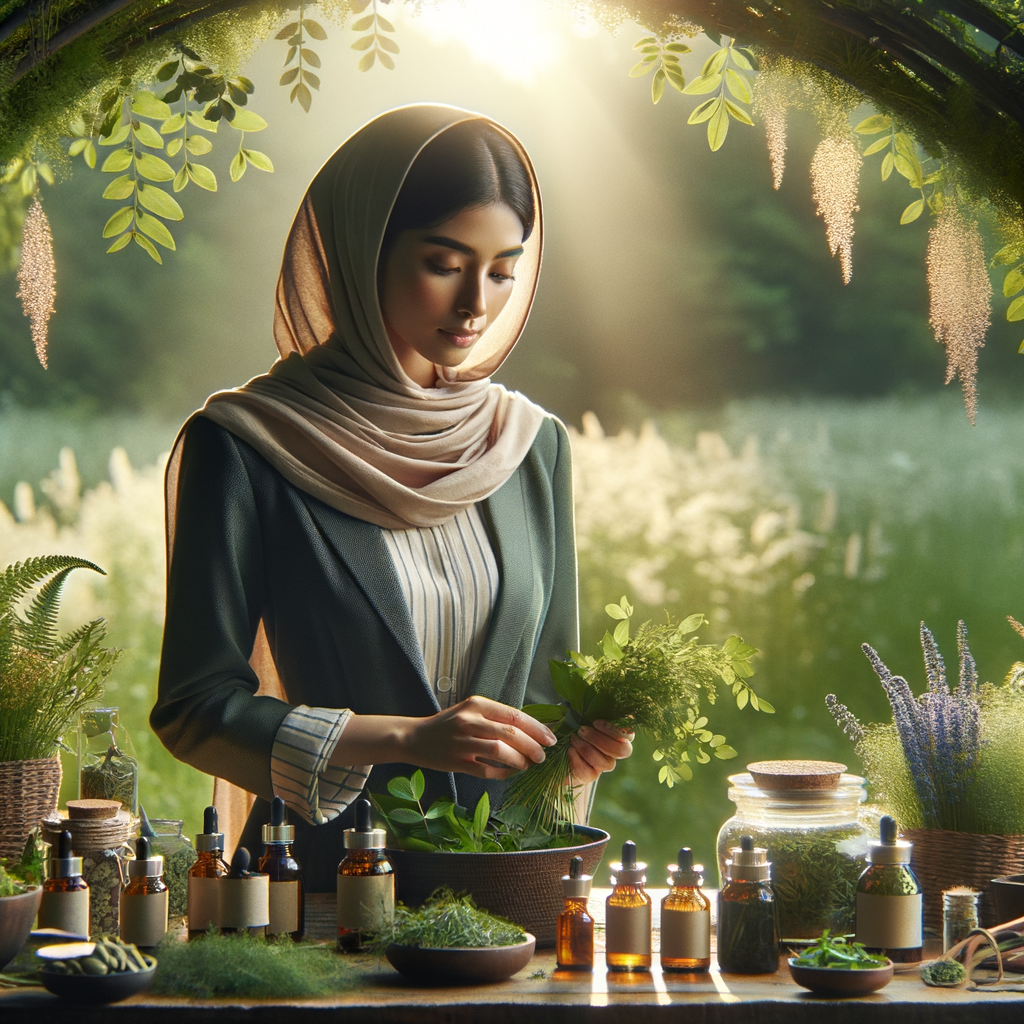
- Understanding Herbal Women’s Support
- Key Herbal Remedies for Women’s Health
- 1. Chaste Tree (Vitex agnus-castus)
- 2. Red Clover (Trifolium pratense)
- 3. Dong Quai (Angelica sinensis)
- 4. Maca Root (Lepidium meyenii)
- How to Incorporate Herbal Remedies into Your Routine
- Creating a Balanced Herbal Routine
- Potential Side Effects and Precautions
- Conclusion: Empowering Your Wellness Journey
- FAQs
- 1. What is herbal women’s support?
- 2. Can I combine different herbs?
- 3. How quickly can I expect to see results?
- 4. Are herbal remedies safe during pregnancy?
- 5. Can I use these herbs if I’m on medication?
- 6. Are there any age restrictions for using these herbs?
- 7. How do I know which herb to choose?
- 8. Where can I buy quality herbal products?
- 9. How should I store herbal products?
- 10. Can lifestyle changes enhance the effects of herbal remedies?
- References
Understanding Herbal Women’s Support
Herbal women’s support encompasses a range of natural remedies that promote wellness for women. Whether you’re looking for relief from menstrual discomfort or seeking ways to balance hormones, herbs can offer valuable assistance. Many women have turned to traditional herbal remedies to support their health and well-being. These remedies can not only address physical symptoms but also contribute to emotional balance.
Utilizing herbs provides an opportunity to reconnect with nature and allow your body to heal naturally. This holistic approach often emphasizes prevention and harmony, making it a vital aspect of women’s health. With various options available, understanding which herbs to use can empower women to take charge of their wellness journey.
Key Herbal Remedies for Women’s Health
1. Chaste Tree (Vitex agnus-castus)
Chaste tree is a powerful ally for women, particularly for those dealing with menstrual irregularities. This herbal remedy works by influencing hormonal balance, specifically by stimulating the pituitary gland to produce more luteinizing hormone (LH). As a result, it helps regulate ovulation and can reduce symptoms of premenstrual syndrome (PMS).
In addition to PMS, chaste tree assists with symptoms of menopause, such as hot flashes and mood swings. Many women report a notable decrease in discomfort when using this herb. It’s available in several forms, including tinctures and capsules, allowing for easy incorporation into daily routines.
2. Red Clover (Trifolium pratense)
Red clover is rich in phytoestrogens, which mimic the action of estrogen in the body. This makes it exceptional for women experiencing menopause or perimenopause. Studies suggest that red clover can help ease hot flashes and improve overall hormonal balance.
On top of that, red clover contributes to cardiovascular health. It may help lower cholesterol levels and improve circulation. Women can enjoy red clover in tea or supplement form, making it a versatile addition to their wellness practices.
3. Dong Quai (Angelica sinensis)
Often referred to as “female ginseng,” dong quai is traditionally used in Chinese medicine for various women’s health issues. This herb is particularly effective for menstrual cramps and hormonal imbalances. It improves circulation and nourishes the blood, providing relief from pain and discomfort.
Dong quai also supports hormonal regulation, making it an excellent choice for women who suffer from irregular periods. Its adaptability in both tincture and capsule forms allows women to select the method that works best for them.
4. Maca Root (Lepidium meyenii)
Maca root is a nutrient-dense tuber known for its ability to boost energy and enhance libido. It acts as an adaptogen, helping to regulate the body’s stress response. This can lead to improved mood and reduced anxiety, essential for overall wellness.
This root is especially beneficial for women experiencing hormonal fluctuations. It can help balance estrogen levels and ease symptoms related to menopause. Many women enjoy maca in powdered form by adding it to smoothies or oatmeal.
How to Incorporate Herbal Remedies into Your Routine
Integrating herbal remedies into your daily life can be seamless. Start by assessing what aspects of your health you want to support. Here are a few simple methods to add these herbs to your regimen:
1. Teas: Brewing herbal tea offers a calming ritual in your day. Simply steep the herbs in hot water for 5-10 minutes. This method works well for chaste tree and red clover.
2. Tinctures: Tinctures are concentrated herbal extracts made by soaking herbs in alcohol. Just a few drops can provide significant benefits. Look for reputable brands to ensure quality.
3. Capsules: If you prefer a more straightforward approach, consider taking herbal capsules. These provide a pre-measured dose, making them convenient and effective.
4. Powders: Some herbs, like maca, can be found in powdered form. You can easily mix these into smoothies, yogurts, or even baked goods for a nutritional boost.
Creating a Balanced Herbal Routine
To maximize the benefits of herbal remedies, focus on consistency. Establishing a consistent routine helps your body acclimate and respond better to the remedies. Also, consider pairing herbs with a balanced diet, regular exercise, and adequate hydration. This holistic approach enhances the overall effects of herbal women’s support.
Keep in mind that everyone’s body is different. What works for someone else may not necessarily be right for you. It’s wise to monitor how your body responds and adjust accordingly. Consulting with a healthcare professional, especially if you have pre-existing conditions or are pregnant, is also crucial.
Potential Side Effects and Precautions
While herbal remedies offer numerous benefits, they are not without potential side effects. Understanding these risks can help you make informed choices. Always consider the following:
– Chaste Tree: Some women may experience digestive upset or altered menstrual cycles initially as their body adjusts.
– Red Clover: It can increase the risk of bleeding, particularly for those taking blood-thinning medications.
– Dong Quai: This herb might make skin more sensitive to sunlight.
– Maca Root: Women with hormone-sensitive conditions should approach maca with caution.
Consult with your healthcare provider if you have concerns about interactions with prescribed medications or existing health issues. Doing so ensures your safety as you explore herbal options.
Conclusion: Empowering Your Wellness Journey
Considering herbal women’s support can be a transformative step toward enhanced wellness. By incorporating nature’s remedies, you empower yourself to manage health concerns proactively. Remember, the goal is to promote balance, support your body’s natural rhythms, and feel your best.
Whether you’re looking for relief from discomfort or enhancing your overall well-being, herbs can play an essential role. Embrace the journey and enjoy discovering what works best for you.
FAQs
1. What is herbal women’s support?
Herbal women’s support refers to natural remedies designed specifically to promote women’s health and well-being.
2. Can I combine different herbs?
Yes, many women successfully combine herbs to leverage their benefits, but consult a healthcare professional first.
3. How quickly can I expect to see results?
Results vary by individual and remedy. Some may notice changes within a few weeks, while others may take longer.
4. Are herbal remedies safe during pregnancy?
Not all herbs are safe to use during pregnancy. Always consult a healthcare provider before using herbal remedies.
5. Can I use these herbs if I’m on medication?
Some herbs can interact with medications. Consult your healthcare provider for advice before starting any herbal treatments.
6. Are there any age restrictions for using these herbs?
While most herbs are generally safe, some may not be suitable for children or those over certain ages. Check with a healthcare provider.
7. How do I know which herb to choose?
Assess your specific symptoms or concerns, and consider consulting a healthcare professional for personalized recommendations.
8. Where can I buy quality herbal products?
You can find herbal products at health food stores, online retailers, or specialty herbal shops. Always look for reputable brands.
9. How should I store herbal products?
Store herbs in a cool, dry place away from direct sunlight to maintain their potency.
10. Can lifestyle changes enhance the effects of herbal remedies?
Absolutely! A balanced diet, regular exercise, and stress management can significantly amplify the benefits of herbal treatments.
References
– WebMD: Herbal Medicine. Link
– National Center for Complementary and Integrative Health: Herbs at a Glance. Link
– Mayo Clinic: Herbal supplements: What’s safe? Link
About the Author