- Understanding Bloating and Its Causes
- Why Choose Herbs for Bloating?
- Top Herbs for Bloating
- 1. Peppermint
- 2. Ginger
- 3. Fennel
- 4. Chamomile
- 5. Dandelion
- How to Prepare Herbal Remedies
- Herbal Teas: A Simple Approach
- Adding Herbs to Your Diet
- Lifestyle Tips for Reducing Bloating
- Conclusion
- FAQs
- References
Understanding Bloating and Its Causes
Herbs for bloating can be a quick way to find relief from that uncomfortable feeling in your stomach. Bloating often occurs when excess gas builds up in the digestive tract, leading to pressure and discomfort. Various factors can cause this unpleasant condition. Overeating, eating too quickly, and consuming gas-producing foods often contribute to bloating. Additionally, stress, hormonal changes, and certain medical conditions can also play a role.
When you experience bloating, you might feel heavy, swollen, or full, which can affect your daily activities. To make matters worse, this sensation can lead to increased anxiety about your body image and overall well-being. Fortunately, several herbs can help alleviate bloating naturally, providing you with much-needed comfort.
Why Choose Herbs for Bloating?
Using herbs for bloating is not just a traditional remedy; it can be a practical solution rooted in science. These herbs often contain compounds that aid digestion, reduce gas, and relax the gastrointestinal tract. Unlike medication, herbs typically come with fewer side effects and are more aligned with natural healing processes.
Moreover, herbs can enhance your overall digestive health. By incorporating these natural remedies into your routine, you can enjoy not only immediate relief but also long-term benefits. Natural herbs are widely available and often simple to prepare, making them an excellent choice for many.
Top Herbs for Bloating
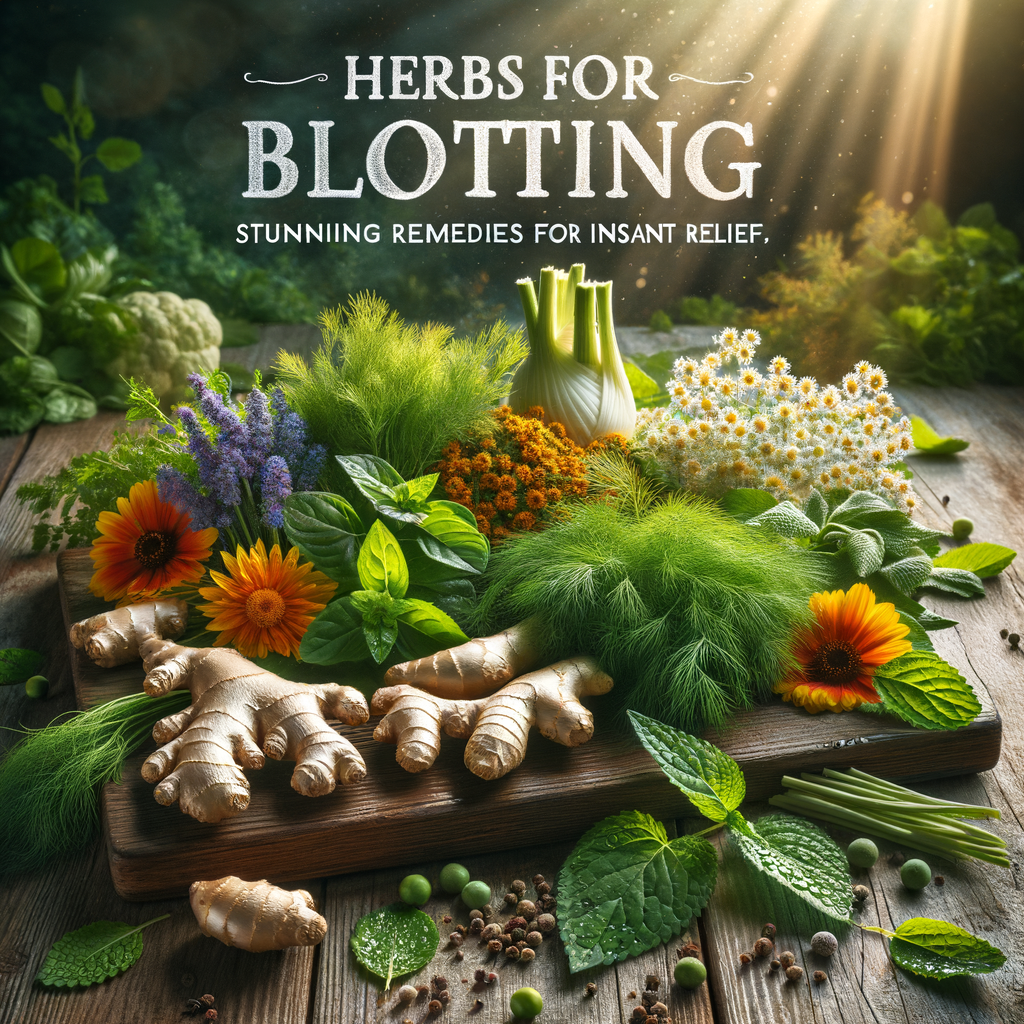
Several herbs can help ease bloating, offering powerful relief without the need for prescription medications. Here are some of the most effective options:
1. Peppermint
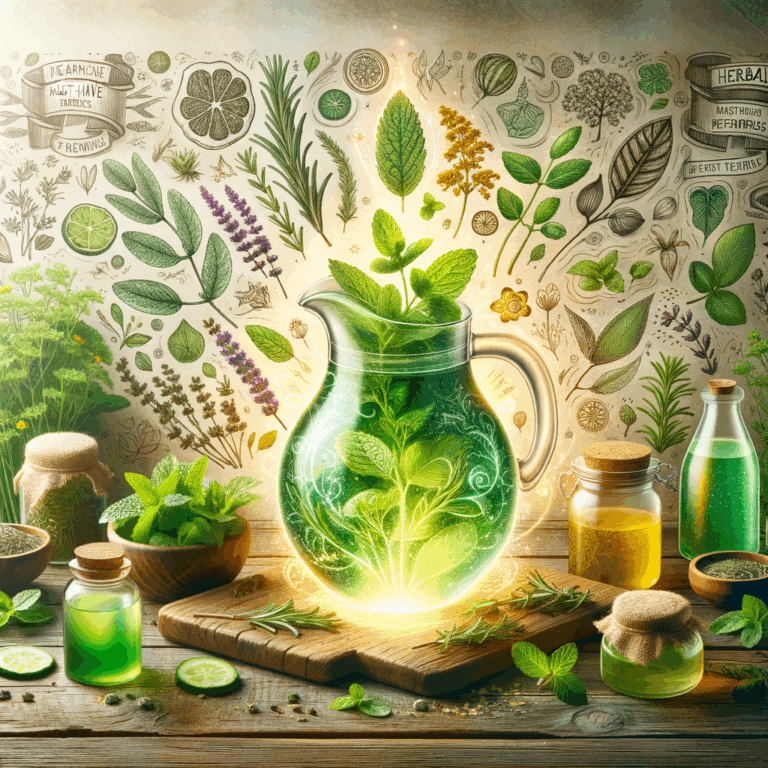
Peppermint tops the list of herbs for bloating. This herb contains menthol, which has muscle-relaxing properties. It helps soothe the digestive tract and relieve gas-related discomfort. People often consume peppermint as a tea, but you can also find it in capsule form.
2. Ginger
Ginger is another potent herb that combats bloating. Its anti-inflammatory properties promote digestion and relieve nausea. Drinking ginger tea or adding fresh ginger to meals can significantly enhance your digestive comfort.
3. Fennel
Fennel seeds are excellent for reducing bloating, thanks to their carminative properties. They help expel gas from the digestive system. You can chew on fennel seeds after meals or brew them in hot water to create a soothing tea.
4. Chamomile
Chamomile is well-known for its calming effects. It also aids digestion and helps reduce bloating. Drinking chamomile tea after meals can be an effective strategy for easing discomfort.
5. Dandelion
Dandelion leaves and roots can help promote digestion and reduce water retention, a common cause of bloating. You can consume dandelion in various forms, including teas and supplements.
How to Prepare Herbal Remedies
Knowing how to prepare these herbs can make all the difference. Here’s a simple guide to harnessing the benefits of these herbs:
Herbal Teas: A Simple Approach
1. Peppermint Tea:
– Steep 1 teaspoon of dried peppermint leaves in boiling water for 10 minutes.
– Strain and enjoy, adding honey for sweetness if desired.
2. Ginger Tea:
– Slice fresh ginger and steep in boiling water for 5-10 minutes.
– Add lemon and honey for added flavor.
3. Fennel Tea:
– Use 1 teaspoon of fennel seeds per cup of water.
– Boil for 10 minutes and strain.
4. Chamomile Tea:
– Steep chamomile flowers or tea bags in hot water for 5-7 minutes.
– Relax and sip slowly.
5. Dandelion Tea:
– Boil dandelion root or leaves in water for 10-15 minutes.
– Strain and enjoy, possibly with a little honey.
Adding Herbs to Your Diet
Incorporating these herbs into your meals is an excellent way to enjoy their benefits. For instance, add ginger to stir-fries, use fennel in salads, or sprinkle dried peppermint over desserts. The goal is to make these herbs part of your daily routine.
Lifestyle Tips for Reducing Bloating
While herbs for bloating can offer relief, combining them with lifestyle changes can boost your results. Here are some practical tips:
– Eat Slowly: Taking your time while eating reduces airflow intake, minimizing gas formation.
– Stay Hydrated: Drinking plenty of water aids digestion and helps prevent bloating caused by dehydration.
– Exercise Regularly: Gentle activities like walking can stimulate the digestive system.
– Limit Carbonated Beverages: These drinks contribute to gas buildup in the stomach.
– Mind Your Salt Intake: Reducing sodium can help prevent water retention and bloating.
Conclusion
Bloating can be uncomfortable, but incorporating certain herbs into your daily routine can provide instant relief. Peppermint, ginger, fennel, chamomile, and dandelion are just a few herbs that can ease bloating and enhance your digestive health. By preparing herbal teas and adding these herbs to your meals, you can quickly find the comfort you seek.
Alongside these herbal remedies, making small lifestyle tweaks can amplify your results. With a few adjustments and the right herbs, you can enjoy a healthy, bloating-free life.
FAQs
1. How long does it take for herbs to relieve bloating?
Herbs like peppermint and ginger can provide relief within a few hours after consumption.
2. Are there side effects to using herbs for bloating?
Generally, herbs are safe, but some people may experience allergic reactions. Always consult your healthcare provider if in doubt.
3. Can I take these herbs if I’m pregnant?
Consult your doctor before using any herbs during pregnancy to ensure safety.
4. How often can I drink herbal teas for bloating?
You can enjoy herbal teas 1-3 times daily, depending on your preferences and tolerance.
5. Are these herbs available in supermarket stores?
Yes, most of these herbs are widely available in grocery stores or health food stores.
6. Can children take these herbs?
Always consult a pediatrician before giving herbs to children.
7. Do these herbs interact with medications?
Some herbs can interact with medications. It’s best to consult with a healthcare professional before using them.
8. How can I find the right dosage of herbal supplements?
Always follow the recommendations on the packaging or consult a healthcare provider for personalized advice.
9. Are there foods I should avoid to prevent bloating?
Yes, beans, carbonated drinks, and cruciferous vegetables like broccoli can contribute to bloating.
10. How can I tell if my bloating is a sign of a serious issue?
If bloating persists or is accompanied by severe pain, weight loss, or changes in bowel habits, consult a doctor.
References
– Healthline: Natural Remedies for Bloating
– WebMD: Herbal Remedies for Digestive Health
– Mayo Clinic: Understanding Bloating
About the Author