- Understanding Blood Pressure: A Brief Overview
- Why Choose Herbs for Blood Pressure Management?
- The Role of Diet in Blood Pressure Management
- Top Herbs for Lowering Blood Pressure
- How to Use These Herbs Effectively
- Other Lifestyle Changes for Blood Pressure Health
- Frequently Asked Questions
- Conclusion
- References
Understanding Blood Pressure: A Brief Overview
When talking about herbs for blood pressure, it’s vital to first grasp what blood pressure means. Blood pressure refers to the force that circulating blood exerts against the walls of blood vessels. This measurement is crucial because it gives insight into heart health. Elevated blood pressure, also known as hypertension, poses serious risks like heart attack and stroke.
High blood pressure can stem from various factors. Lifestyle choices—including diet, physical activity, and stress—play a significant role. Additionally, genetics and age can contribute to one’s blood pressure levels. With that in mind, many people seek natural ways to manage their blood pressure. This is where herbs can come into play.
Why Choose Herbs for Blood Pressure Management?
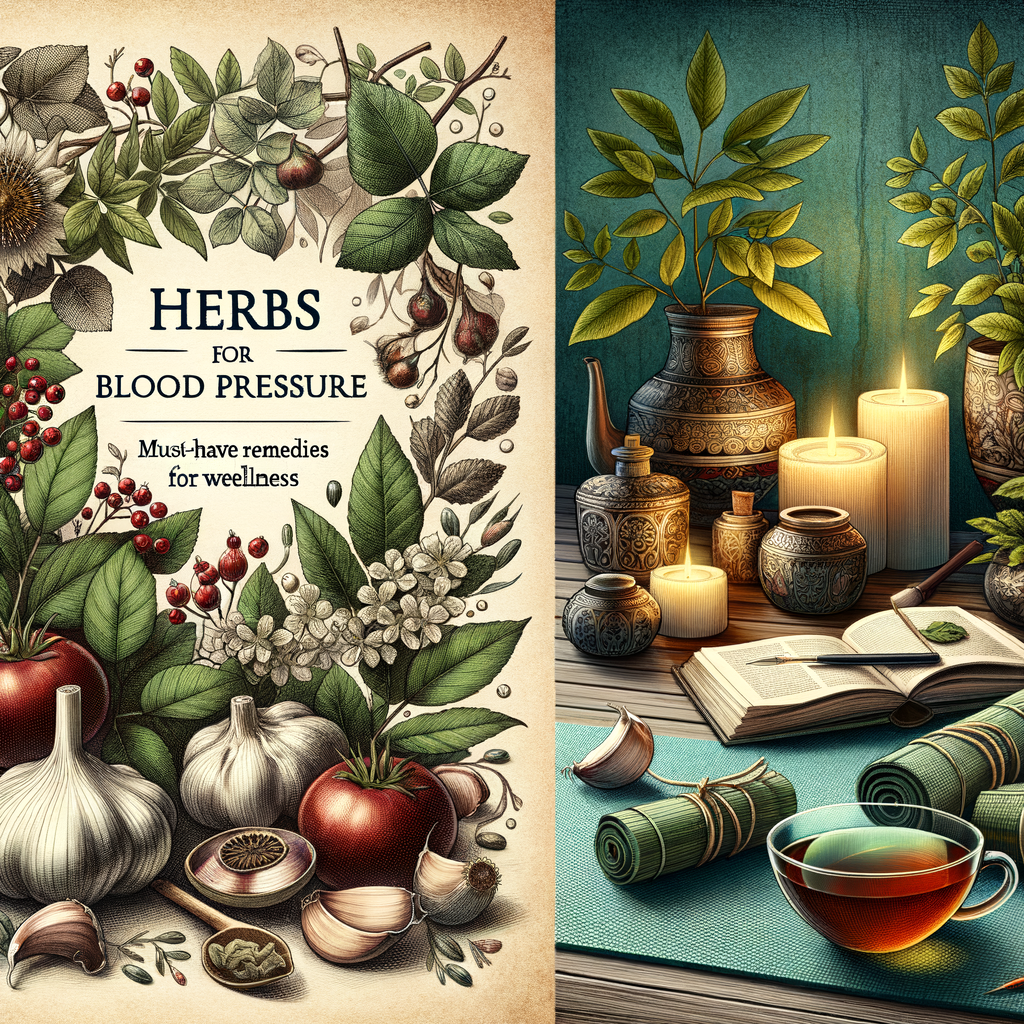
Using herbs for blood pressure offers several benefits. Primarily, many herbs contain compounds that can help dilate blood vessels, improve circulation, or reduce stress. These properties often contribute to lowering blood pressure naturally, without the side effects associated with some medications. Moreover, integrating herbs into your daily routine is an easy change.
Many people appreciate the holistic approach of herbal remedies. Unlike conventional medications, herbs often work to address the root of the problem. As a result, they contribute to overall wellness rather than just symptom management.
The Role of Diet in Blood Pressure Management
Before diving into specific herbs, let’s take a moment to discuss the importance of diet. The foods you consume significantly impact your blood pressure. Diets high in sodium can trigger spikes in blood pressure. Instead, focus on a balanced intake of nutrients. A diet rich in potassium, magnesium, and fiber supports cardiovascular health.
Top Herbs for Lowering Blood Pressure
1. Garlic
Garlic stands out as one of the most researched herbs for blood pressure management. Research shows that garlic can relax blood vessels and improve blood flow. The active compound, allicin, is responsible for these benefits. You can enjoy garlic raw, cooked, or in supplement form.
2. Hibiscus
Hibiscus tea is renowned for its impressive impact on blood pressure. Studies indicate that drinking hibiscus tea regularly can significantly reduce hypertension. This herb might help relax blood vessels, making it easier for blood to flow.
3. Cinnamon
This popular spice does more than just flavor your dishes. Cinnamon can help lower blood pressure by improving blood circulation. It also has anti-inflammatory properties, which are beneficial for overall heart health. Adding cinnamon to smoothies or oatmeal can be a delicious way to incorporate it into your routine.
4. Basil
This aromatic herb not only enhances your meals but also helps in blood pressure management. Basil contains anti-inflammatory properties and can help lower stress levels, contributing to a decrease in blood pressure. Try adding fresh basil to salads or as a garnish in soups.
5. Ginger
Ginger is another excellent herb for blood pressure. It improves circulation and has a calming effect on the body. Incorporate ginger into your diet by adding it to teas, smoothies, or stir-fries.
How to Use These Herbs Effectively
Using herbs for blood pressure requires consistency. Here are some methods to help you incorporate these herbs into your daily routine:
– Teas: Brew herbal teas, such as hibiscus or ginger tea, and enjoy a cup daily.
– Cooking: Integrate herbs like garlic and basil into your meals. Use them in marinades, dressings, and sautés.
– Supplements: If fresh herbs aren’t accessible, consider supplements after consulting with a healthcare provider.
Other Lifestyle Changes for Blood Pressure Health
In addition to using herbs, adopting a healthy lifestyle is crucial. Regular physical activity, a balanced diet, and stress management techniques can significantly impact your blood pressure.
1. Exercise Regularly: Aim for at least 30 minutes of moderate exercise most days of the week. Activities like walking, swimming, or cycling are great options.
2. Limit Sodium Intake: Try to reduce your daily sodium consumption. Opt for fresh ingredients over processed foods, which often contain high salt levels.
3. Manage Stress: Practice relaxation techniques such as meditation, yoga, or deep breathing exercises to combat stress.
Frequently Asked Questions
1. Can I replace my blood pressure medication with herbs?
While herbs can complement treatment, always consult your doctor before making changes to your medication.
2. Are there any side effects of these herbs?
Some might cause mild side effects. It’s important to consult a healthcare professional and monitor your body’s response.
3. How long does it take for herbs to lower blood pressure?
Results vary based on individual circumstances. Regular use over time is crucial.
4. Can I use herbal remedies with other medications?
While many herbs are safe, some may interact with medications. Always discuss with a healthcare provider first.
5. Is it safe to take garlic supplements daily?
For most, garlic supplements are safe, but high doses may cause issues in some individuals. Consult with a healthcare professional for personalized advice.
6. What’s the best way to consume hibiscus?
Hibiscus tea is the most common way to consume it. Steep dried flowers in hot water and enjoy.
7. Can herbs replace a healthy diet?
No, herbs should complement a balanced diet. They can enhance overall health but aren’t substitutes for nutritious foods.
8. How can I make taking herbs easier?
Incorporate them into meals and beverages or consider supplement forms if needed.
9. Are there any contraindications with other herbs?
Some herbs may interact. Always consult with a healthcare professional before mixing herbal remedies.
10. Is there scientific evidence supporting these herbs?
Yes, numerous studies support their benefits for blood pressure management. Research varies in scope and results, so consider reading peer-reviewed articles.
Conclusion
In summary, herbs for blood pressure present a promising avenue for many seeking natural methods of management. While incorporating herbs into your daily routine, remember that lifestyle choices also play a crucial role in overall health. Consult with a healthcare professional before making significant changes, especially if you have existing health conditions or take medications. Your journey to better blood pressure health can be both rewarding and flavorful with the right choices!
References
1. American Heart Association. (n.d.). High Blood Pressure. Retrieved from heart.org
2. National Center for Complementary and Integrative Health. (n.d.). Garlic. Retrieved from nccih.nih.gov
3. Wiley Online Library. (2020). Effects of Hibiscus sabdariffa on Blood Pressure. Retrieved from onlinelibrary.wiley.com
4. Journal of Nutrition. (2021). Benefits of Cinnamon on Blood Pressure. Retrieved from jn.nutrition.org
About the Author