- Herbs for Calmness: A Natural Approach to Stress Relief
- Understanding Stress and Its Impact
- Key Herbs for Calmness
- 1. Chamomile
- 2. Lavender
- 3. Ashwagandha
- 4. Lemon Balm
- How to Use Herbs for Calmness
- Creating Your Calmness Routine
- Lifestyle Tips for Managing Stress
- Frequently Asked Questions
- Conclusion
- References
Herbs for Calmness: A Natural Approach to Stress Relief
Stress has become a part of our daily lives. In today’s fast-paced world, many people seek natural remedies for relief. Herbs for calmness offer a gentle solution that can help soothe the mind and body. With a variety of health benefits, these herbs can bring balance and tranquility back into your life.
Understanding Stress and Its Impact
Before exploring specific herbs, it’s important to understand stress. Stress is your body’s natural reaction to challenging situations. While small amounts can be motivating, chronic stress can lead to various health issues, including anxiety, depression, and heart problems. Recognizing the signs of stress is crucial for seeking remedies like calming herbs.
When faced with stress, many people experience muscle tension, fatigue, and irritability. Over time, unresolved stress can escalate, affecting your mental and physical well-being. Therefore, finding effective stress relief methods is essential. Herbs for calmness can play a significant role in managing these symptoms.
Key Herbs for Calmness
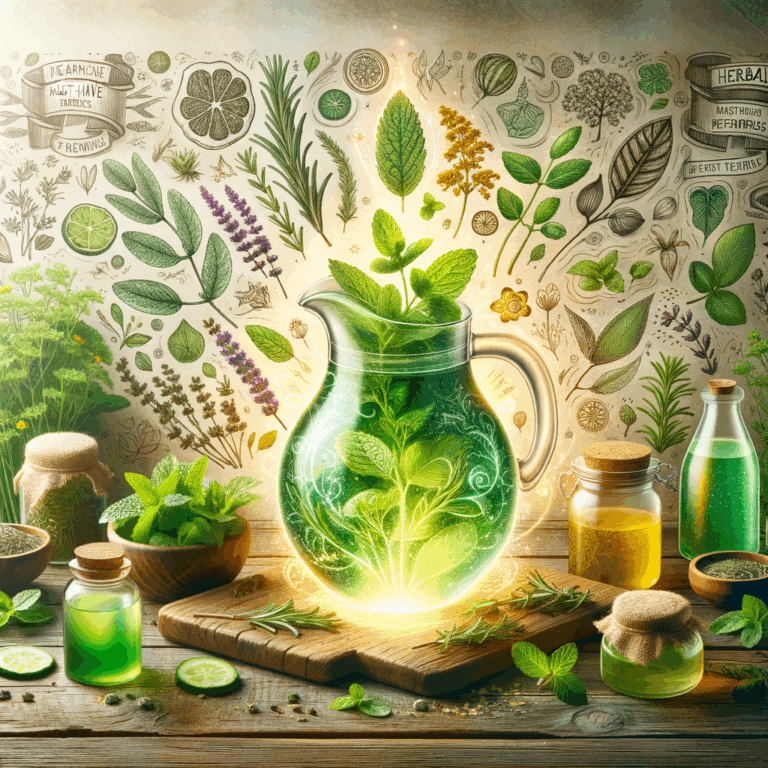
Many herbs can help promote a sense of calm. Each herb boasts unique properties that contribute to relaxation and stress relief. Here are a few must-have herbs you can easily incorporate into your routine.
1. Chamomile
Chamomile, a popular herb, is well-known for its calming effects. Many people enjoy it as a tea before bed. This herb reduces anxiety and promotes restful sleep due to its mild sedative properties. Regular consumption can lead to improved overall mood and decreased stress levels.
To prepare chamomile, simply steep the dried flowers in hot water for about 5 to 10 minutes. Adding honey can enhance its flavor while providing additional health benefits.
2. Lavender
Lavender is another herb famed for its soothing qualities. Its pleasant aroma has relaxation properties, making it an excellent choice for reducing stress. Many individuals use lavender essential oil in diffusers or add it to their bath. Inhaling lavender can help lower heart rate and reduce anxiety.
Additionally, lavender tea offers calming effects. Like chamomile, it can prepare you for a peaceful night’s sleep. Enjoy it in the evenings for maximum benefit.
| Herb | Benefits | How to Use |
|————|———————————|————————————————-|
| Chamomile | Reduces anxiety, promotes sleep | Drink as tea, use in aromatherapy |
| Lavender | Soothes nerves, promotes relaxation | Use essential oil, drink as tea, bath with flowers|
3. Ashwagandha
Ashwagandha is an adaptogenic herb native to India. It helps the body adapt to stress and enhances resilience. Many studies suggest that ashwagandha can significantly reduce cortisol levels, the hormone responsible for stress.
You can find ashwagandha in capsules or powder form. The powder blends well into smoothies, making it easy to incorporate into your daily diet. Regular use can improve your overall emotional well-being.
4. Lemon Balm
Lemon balm is a member of the mint family. It has a refreshing scent and calming effects on the mind. Research shows that lemon balm can help alleviate anxiety and improve sleep quality. Many people drink lemon balm tea to promote relaxation.
To brew lemon balm tea, steep fresh or dried leaves in hot water. Adding a little lemon juice can enhance flavor while providing additional health benefits.
How to Use Herbs for Calmness
Incorporating these herbs into your daily routine may seem overwhelming, but it doesn’t have to be. Here are some simple ways to enjoy their benefits:
– Teas: Brewing herbal teas is one of the easiest ways to consume these calming herbs. Choose from chamomile, lavender, or lemon balm based on your preference.
– Essential Oils: Many calming herbs are available as essential oils. Aromatherapy with lavender or chamomile can create a peaceful ambiance.
– Supplements: For those who prefer concentrated forms, herbs like ashwagandha come in capsules. Consult a healthcare provider before starting any new supplement.
– Cooking: You can add fresh herbs like lemon balm to salads, smoothies, or desserts. This enhances both flavor and health benefits.
Creating Your Calmness Routine
Establishing a calming routine can be life-changing. Combine different herbs for maximum benefit and enjoyment. For instance, start your morning with a cup of chamomile tea. Take breaks during the day to inhale lavender essential oil. At night, enjoy a soothing lemon balm tea to help relax your mind.
Keeping a journal of how you feel before and after incorporating these herbs can provide insight into your stress levels. Track which methods work best for you and adjust your routine accordingly.
Lifestyle Tips for Managing Stress
While herbs for calmness can aid in stress relief, adopting a holistic approach is vital. Consider these lifestyle tips to further enhance your relaxation techniques:
1. Exercise Regularly: Physical activity releases endorphins, improving mood and reducing stress.
2. Practice Mindfulness: Engage in deep-breathing exercises and meditation to promote relaxation.
3. Stay Hydrated: Drinking enough water is crucial for maintaining energy and reducing stress.
4. Sleep Well: Prioritize quality sleep by establishing a calming nighttime routine.
Frequently Asked Questions
1. Can I use herbs for calmness every day?
Yes, many herbs are safe for daily use. However, consult a healthcare professional if you have any concerns.
2. Are there any side effects to these herbs?
Most herbs are safe, but some may cause mild side effects in sensitive individuals. Always monitor how they affect you.
3. Is it okay to mix different herbs?
Absolutely! Combining herbs can enhance their calming effects. Just ensure you’re aware of each herb’s properties.
4. How long does it take to feel the effects?
The timeline varies by individual. Some may notice effects within a week, while others might take longer.
5. Can children use these herbs?
Some herbs are safe for children, while others are not. Consult a pediatrician before giving herbs to children.
6. How can I incorporate these herbs into my diet?
Consider teas, smoothies, or salads. Experimenting with recipes can make healthy choices enjoyable.
7. Are organic herbs better?
Organic herbs are often free from pesticides and chemicals. Choosing organic can improve quality and safety.
8. What if I don’t like the taste of herbal teas?
Try adding honey, lemon, or blend with other flavors. You can also use capsules or tinctures if preferred.
9. Can I use these herbs when pregnant?
Some herbs may not be safe during pregnancy. Always consult a doctor before using herbs while pregnant.
10. Do I need to see a doctor if I feel very stressed?
Yes, chronic stress can lead to serious health issues. It’s wise to consult a healthcare provider if stress becomes overwhelming.
Conclusion
Herbs for calmness provide a natural and effective way to combat stress in our busy lives. By exploring options like chamomile, lavender, ashwagandha, and lemon balm, you can enjoy their calming effects. Establishing a routine that incorporates these herbs, along with lifestyle changes, will lead to improved mental well-being over time.
Remember, everyone’s body is different. What works for one person may not work for another. Experiment, find what suits you best, and make herbs a part of your journey towards tranquility.
References
1. WebMD – Chamomile
2. National Center for Complementary and Integrative Health – Lavender
3. Healthline – Ashwagandha Benefits
4. Medical News Today – Lemon Balm: Benefits and Uses
About the Author