- Benefits of Herbs for Men
- Popular Herbs for Men's Health
- 1. Ashwagandha
- 2. Ginseng
- 3. Tribulus Terrestris
- 4. Saw Palmetto
- 5. Fenugreek
- How to Incorporate Herbs into Your Lifestyle
- Herbal Teas
- Supplements
- Cooking with Herbs
- Safety Considerations When Using Herbs
- The Role of a Balanced Diet
- FAQs
- 1. Can I use herbs for mental health?
- 2. Are there any side effects of using herbs for men?
- 3. How do I choose the right herbal supplement?
- 4. Can I grow these herbs at home?
- 5. How long does it take to see results from herbal remedies?
- 6. Are herbs safe for long-term use?
- 7. How do I know if an herb is right for me?
- 8. Can I combine different herbs?
- 9. Are there specific herbs for boosting libido?
- 10. Is it safe to take herbal remedies with prescription medications?
- References
Benefits of Herbs for Men
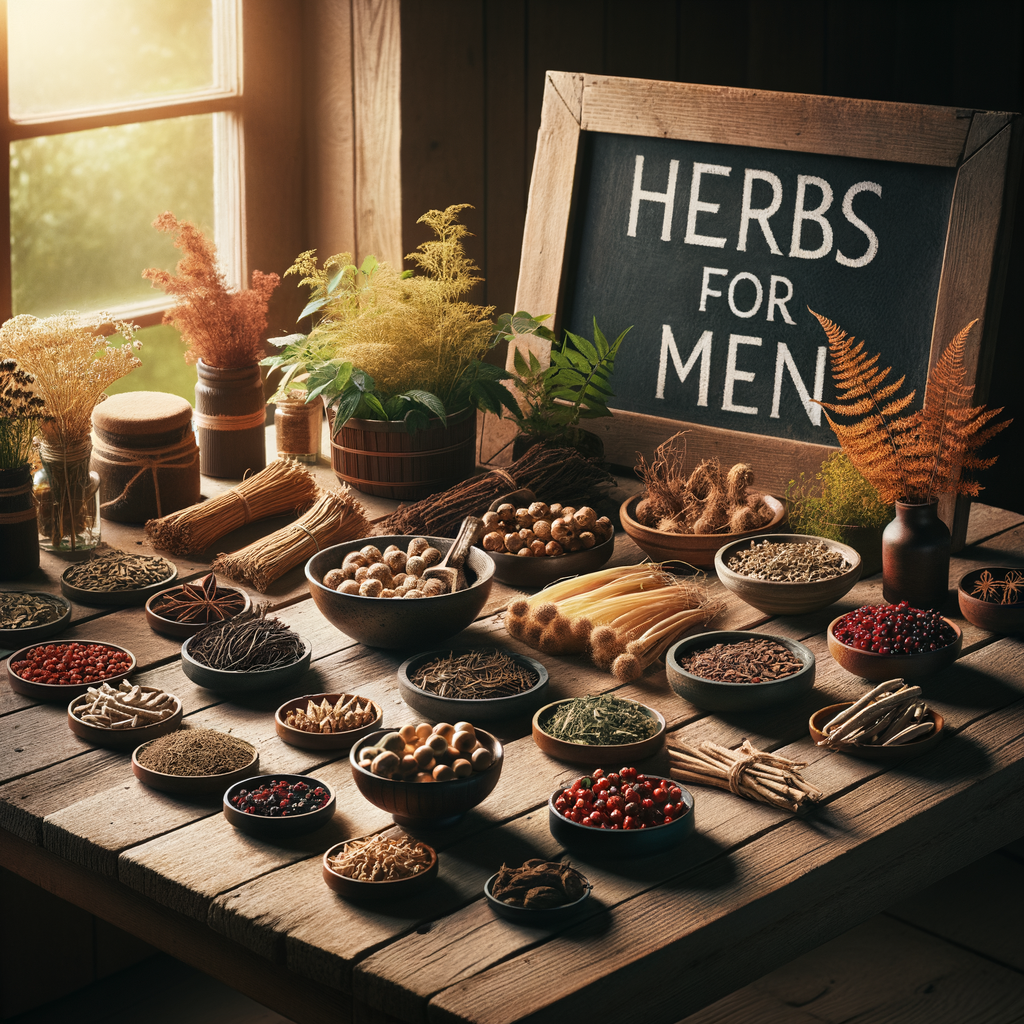
Herbs for men play a significant role in supporting overall health and wellness. The natural properties of these plants can enhance vitality, improve mood, and even address specific health concerns. Incorporating herbs into daily life can offer a holistic approach to maintaining optimal health. Nowadays, more men are turning to natural remedies to boost their well-being, often seeking alternatives to conventional medicine.
Using herbs can provide numerous benefits, from boosting immunity to enhancing sexual health. Many of these remedies have been utilized for centuries and have proven their efficacy over time. While it is essential to consult healthcare professionals before starting any herbal regimen, understanding the benefits can empower men to make informed decisions.
Popular Herbs for Men’s Health
When considering herbs for men, several options stand out. Each herb comes with unique properties tailored to meet specific health needs. Here’s a quick overview of some of the most popular herbs.
1. Ashwagandha
Often referred to as the “king of herbs,” ashwagandha is an adaptogen. This means it helps the body cope with stress. It has been shown to reduce cortisol levels, leading to improved mood and overall mental health. Additionally, it may enhance physical performance and support testosterone production, making it ideal for active men.
2. Ginseng
Ginseng is another powerful herb known for its energy-boosting properties. It helps improve physical endurance and has been found to enhance brain function. Furthermore, studies suggest that it may assist in managing erectile dysfunction, making it a popular choice among men seeking sexual health support.
3. Tribulus Terrestris
This herb has gained popularity for its potential to enhance testosterone levels. Tribulus Terrestris can improve libido and support muscle health, making it appealing to athletes and fitness enthusiasts. It helps optimize male reproductive health and has also been linked to better mood regulation.
4. Saw Palmetto
Saw palmetto is often used to support prostate health. This herb helps reduce symptoms of benign prostatic hyperplasia (BPH), a common condition in aging men. It may also contribute to hormonal balance by inhibiting the conversion of testosterone to dihydrotestosterone (DHT), which is linked to hair loss.
5. Fenugreek
Fenugreek is a versatile herb with various health benefits. It can enhance libido and support testosterone levels, making it an excellent choice for improving sexual health. Additionally, its anti-inflammatory properties can help manage blood sugar levels and support overall vitality.
How to Incorporate Herbs into Your Lifestyle
Incorporating herbs into your daily routine can be straightforward and enjoyable. Here are several simple methods to start enjoying the benefits:
Herbal Teas
One of the easiest ways to consume herbs is through herbal teas. You can find blends featuring ashwagandha, ginseng, or fenugreek at most health food stores. Simply steep the herbs in hot water for a soothing and health-boosting beverage.
Supplements
Herbal supplements are widely available in various forms, including capsules, powders, and tinctures. When choosing supplements, opt for high-quality brands that provide third-party testing certifications. Always adhere to recommended dosages to ensure safe consumption.
Cooking with Herbs
Using herbs in cooking is another enjoyable way to reap their benefits. You can add fresh or dried herbs to salads, soups, and stir-fries. This method not only enhances flavor but also boosts your meals’ nutritional profile.
Safety Considerations When Using Herbs
While herbs typically offer various health benefits, it’s crucial to approach them with caution. Some herbs can interact with medications or have side effects. Always consult with a healthcare provider before starting any new herbal routine, especially if you have pre-existing health conditions or take medications.
Be aware of possible side effects. For instance, ginseng can cause insomnia in some users, while ashwagandha may lead to digestive issues. Monitor your body’s reactions to new herbs and discontinue use if adverse effects occur.
The Role of a Balanced Diet
While herbs can enhance health, they should not replace a balanced diet. A nutritious diet rich in fruits, vegetables, whole grains, and lean proteins lays the foundation for optimal health. Herbs can act as a complementary strategy to support your overall wellness journey.
For the best results, combine your herbal regimen with healthy lifestyle choices like regular exercise, hydration, and adequate sleep. These combined efforts can significantly improve your health, contributing to a better quality of life.
FAQs
1. Can I use herbs for mental health?
Yes, some herbs like ashwagandha and ginseng may help improve mood and reduce stress.
2. Are there any side effects of using herbs for men?
While herbs are generally safe, some may cause side effects or interact with medications. Always consult a healthcare provider.
3. How do I choose the right herbal supplement?
Look for reputable brands that provide third-party testing and clear labeling. Always read the ingredients and follow dosage recommendations.
4. Can I grow these herbs at home?
Many herbs, including basil and mint, are easy to grow at home, either in pots or gardens.
5. How long does it take to see results from herbal remedies?
Some men may notice benefits in a few weeks, while others might take longer. Consistency is key.
6. Are herbs safe for long-term use?
Generally, many herbs are safe for long-term use, but it’s vital to consult a healthcare provider for personalized advice.
7. How do I know if an herb is right for me?
Consider your health goals and consult a healthcare provider to discuss which herbs might be beneficial for your needs.
8. Can I combine different herbs?
Yes, many herbs can complement each other, but it’s essential to consult with a healthcare provider to avoid interactions.
9. Are there specific herbs for boosting libido?
Yes, herbs like fenugreek and Tribulus Terrestris are known to enhance libido and support sexual health.
10. Is it safe to take herbal remedies with prescription medications?
Always speak with a healthcare provider before taking herbal remedies alongside prescription medications to avoid interactions.
By integrating these powerful herbs into your daily routine, you can take proactive steps towards achieving and maintaining optimal health. Remember, balance and consistency are vital in any wellness journey. Embracing these natural remedies can enhance overall vitality and contribute to a happier, healthier life.
References
1. University of Maryland Medical Center. (n.d.). Ashwagandha. Retrieved from umm.edu
2. WebMD. (2021). Ginseng. Retrieved from webmd.com
3. Mayo Clinic. (2022). Saw palmetto. Retrieved from mayoclinic.org
4. Healthline. (2022). Fenugreek: Benefits and Health Risks. Retrieved from healthline.com
About the Author