- Introduction to Immune Boosting Herbs
- Why Immune System Health Matters
- Top Immune Boosting Herbs
- 1. Echinacea
- 2. Elderberry
- 3. Garlic
- 4. Ginger
- 5. Astragalus
- How to Incorporate Immune Boosting Herbs into Your Diet
- Fresh Herbs vs. Supplements
- Recipes to Try
- Potential Side Effects and Considerations
- The Importance of a Holistic Health Approach
- Conclusion
- FAQs
- References
Introduction to Immune Boosting Herbs
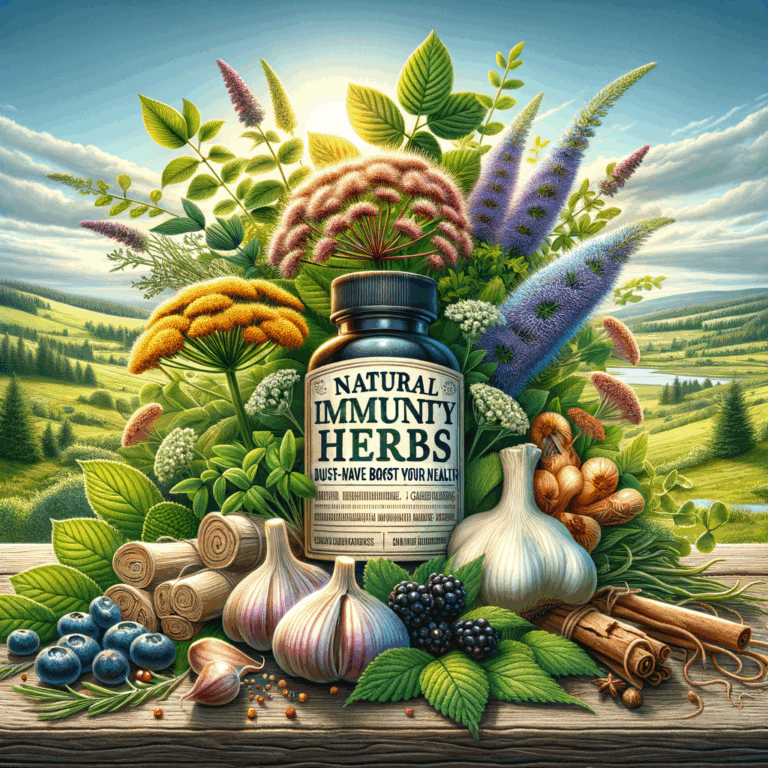
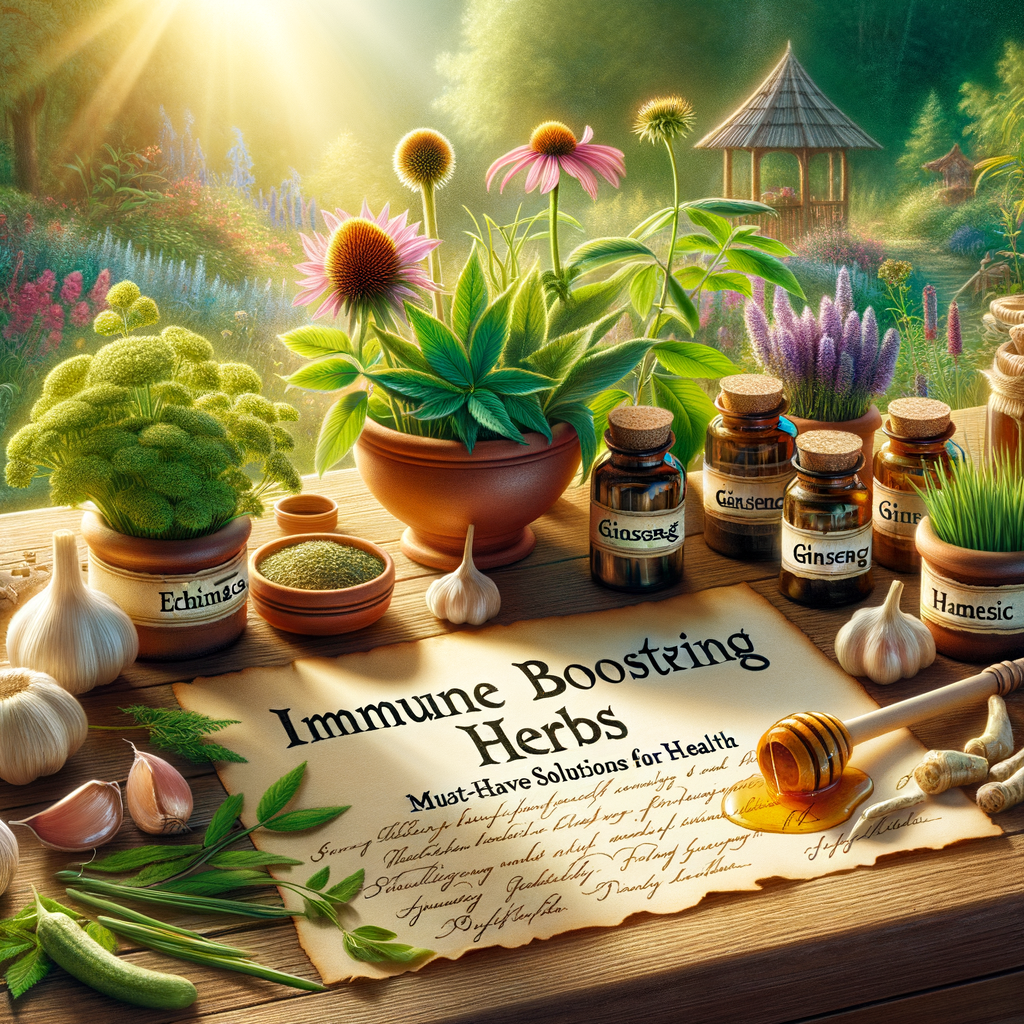
Immune boosting herbs are nature’s way of helping your body defend itself against illness. In our fast-paced world, maintaining a robust immune system is essential. Incorporating specific herbs into your daily routine can naturally enhance your immune functions. From ancient traditions to modern science, these herbs have stood the test of time, showcasing their effectiveness in promoting overall health.
In this article, we will explore various immune boosting herbs, their benefits, uses, and how you can incorporate them into your lifestyle. Whether you’re seeking prevention or simply wish to maintain your well-being, these herbs can play a vital role in your health journey.
Why Immune System Health Matters
Your immune system acts as a shield, protecting your body from harmful pathogens. When it functions optimally, it helps you fend off diseases, recover from infections more quickly, and maintain overall vitality. However, various factors can weaken your immune system. Stress, poor diet, and lack of sleep are just a few culprits. By embracing immune boosting herbs, you can significantly improve your body’s resilience.
Regularly consuming these herbs not only boosts your immunity but also enhances your overall health. A stronger immune system may lead to fewer sick days, improved energy levels, and a greater sense of well-being.
Top Immune Boosting Herbs
1. Echinacea
Echinacea is well-known for its immune-boosting properties. Native to North America, this elegant flower has gained global popularity. Its primary role in boosting immunity stems from its ability to increase white blood cell production, which is vital for fighting off infections.
You can consume Echinacea in several forms, including teas, capsules, and tinctures. Many people find that taking Echinacea at the onset of cold symptoms can shorten their duration.
2. Elderberry
Elderberry has become a household name, particularly during cold and flu seasons. This small, dark berry is rich in antioxidants, vitamins, and minerals. It has been shown to reduce cold and flu symptoms by inhibiting the growth of certain viruses.
Elderberry syrup is a popular way to incorporate this powerful berry into your diet. Just a tablespoon daily during flu season can offer significant protection.
3. Garlic
Garlic is not only a culinary staple but also a potent immune booster. It contains compounds like allicin that help combat infections. Additionally, garlic may enhance the functioning of immune cells, making them more effective at fighting off pathogens.
You can enjoy garlic in various dishes, raw or cooked. A simple way to include it in your diet is by adding minced garlic to sauces, dressings, or even roasted vegetables.
4. Ginger
Ginger is another fantastic herb for your immune system. Known for its anti-inflammatory and antioxidant properties, ginger may help regulate immune responses and reduce the severity of illness.
Incorporating ginger into your diet is easy. You can add it to teas, smoothies, or stir-fries. Many people also enjoy making ginger-infused water for a refreshing daily boost.
5. Astragalus
Astragalus is an herb rooted in traditional Chinese medicine. It contains polysaccharides that help enhance the immune system, making it an excellent remedy for boosting overall health.
You can find astragalus in various forms, including dried root, powder, or capsules. It blends well into soups and teas, providing a deliciously earthy flavor while delivering immune support.
How to Incorporate Immune Boosting Herbs into Your Diet
Fresh Herbs vs. Supplements
When considering immune boosting herbs, you may wonder whether to use fresh herbs or supplements. Fresh herbs carry vibrant flavors and high nutrient content, making them ideal for culinary use. On the other hand, supplements offer concentrated doses, providing ease and convenience.
It’s best to combine both methods. Use fresh herbs in your cooking and supplement with capsules or extracts when needed. This approach ensures a well-rounded intake of nutrients.
Recipes to Try
To make incorporating these herbs into your routine enjoyable, here are some recipes you can try:
Immune-Boosting Smoothie:
– 1 cup spinach
– 1 banana
– 1 tablespoon elderberry syrup
– 1 teaspoon ginger (fresh or powdered)
– 1 cup almond milk
Blend all the ingredients until smooth. This refreshing smoothie packs a flavorful punch while benefiting your immune system.
Garlic and Ginger Tea:
– 2 cups water
– 2 cloves garlic (smashed)
– 1-inch piece of fresh ginger (sliced)
– Honey to taste
Boil water in a pot. Add garlic and ginger, then simmer for 10 minutes. Strain, add honey, and enjoy a comforting cup that warms and heals.
Potential Side Effects and Considerations
While immune boosting herbs are generally safe, it’s important to consider your individual health. Some herbs might interact with medications or may not be suitable for pregnant or breastfeeding women. Always consult a healthcare professional before starting any herbal regimen.
Moreover, the quality of herbal supplements can vary widely. Look for reputable brands that provide third-party testing to ensure purity and potency. This approach guarantees that you’re ingesting the herbs’ full beneficial properties.
The Importance of a Holistic Health Approach
Incorporating immune boosting herbs is one valuable element of a broader health strategy. A balanced diet rich in fruits, vegetables, and whole grains, along with regular exercise and sleep, is integral to strengthening your immune system. Stress management techniques such as yoga and meditation can also support immunity.
Combining lifestyle changes with the use of herbs can create a powerful synergistic effect that enhances your overall health. Remember that it’s not about one single solution, but a holistic approach that promotes long-term results.
Conclusion
Incorporating immune boosting herbs into your lifestyle can greatly benefit your overall health. With the right approach, you can support your immune system and enhance your body’s ability to fend off illnesses. By understanding the benefits of these herbs and finding ways to include them in your daily routine, you can take proactive steps towards better health.
Transitioning into a more health-focused lifestyle can feel daunting, but starting with small changes, like adding these herbs to your meals, will pave the way for a healthier you.
FAQs
1. How long does it take for immune boosting herbs to show effects?
The response time varies by herb and individual. Some may feel results within a few days, while others may take weeks.
2. Can I combine different immune boosting herbs?
Yes! Many herbs work well together. Mixing them can enhance their effects, but consult a healthcare provider for guidance.
3. Are there any side effects from using these herbs?
While generally safe, some herbs can cause allergic reactions or interactions with medications. Always consult a doctor.
4. How much of these herbs should I take?
Dosages vary based on the herb and form. Always follow package directions or a healthcare provider’s advice.
5. Can children take immune boosting herbs?
Some herbs are safe for children, but you should consult a pediatrician for appropriate dosages.
6. Are there any contraindications for immune boosting herbs?
Yes, some herbs can interact with medications or not be suitable for certain health conditions. Consult with a health professional.
7. What is the best form to take these herbs?
Fresh herbs, teas, or supplements all have their benefits. Choose what suits you best based on taste and convenience.
8. How do I know if the herbs are of good quality?
Look for brands that offer third-party testing and have a good reputation in the herbal community.
9. Can immune boosting herbs replace vaccines?
No, herbs cannot replace vaccines. They can complement a healthy immune system but should not substitute for vaccinations.
10. Where can I buy high-quality immune boosting herbs?
You can find herbs at health food stores, pharmacies, or through reputable online retailers. Ensure they follow good manufacturing practices.
References
1. National Center for Complementary and Integrative Health – Echinacea
2. WebMD – Elderberry
3. Healthline – Benefits of Garlic
4. Medical News Today – Ginger
5. WebMD – Astragalus
About the Author