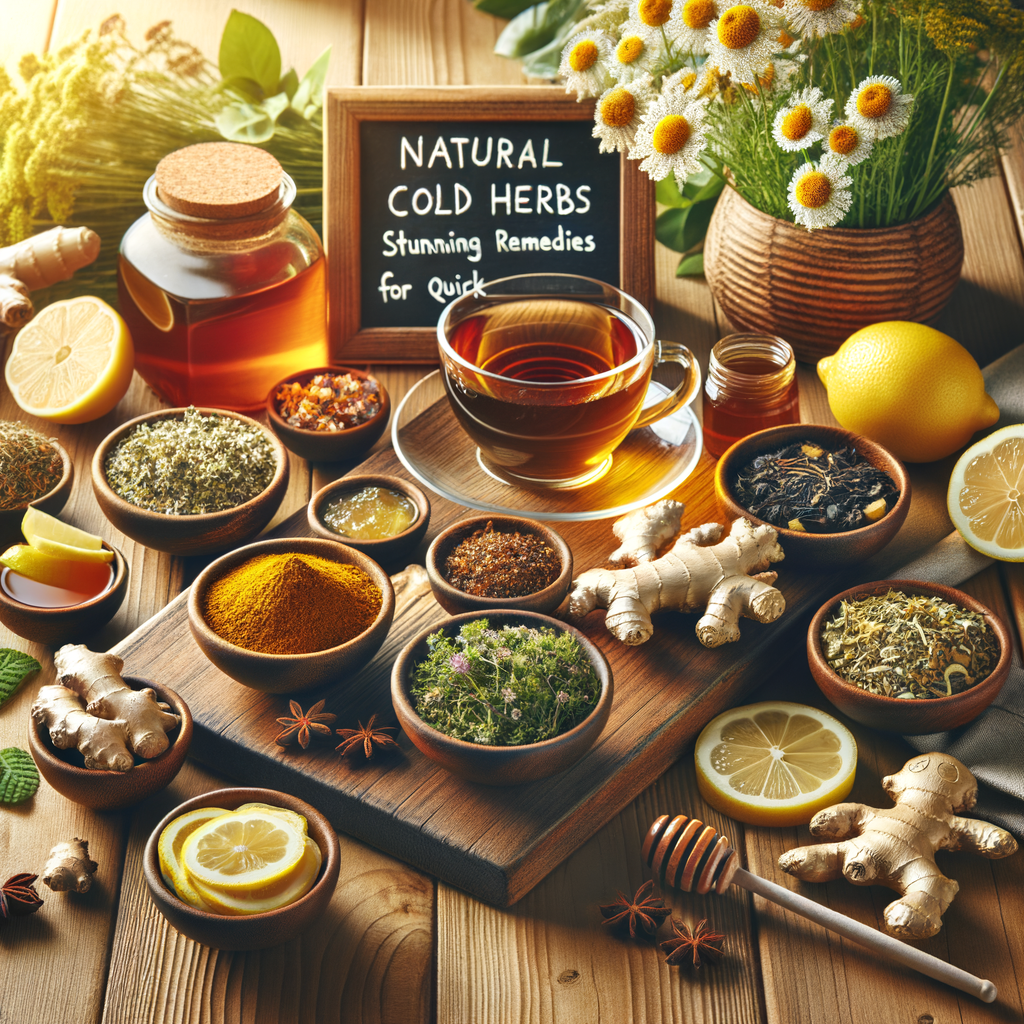
- Natural Cold Herbs: Stunning Remedies for Quick Relief
- What Are Natural Cold Herbs?
- Echinacea: The Immune Booster
- Elderberry: Nature’s Antiviral
- Ginger: The Colder Fighter
- Peppermint: A Breath of Fresh Air
- Turmeric: The Golden Spice
- Thyme: The Cough Calmer
- How to Incorporate Natural Cold Herbs into Your Routine
- Precautions and Considerations
- Conclusion
- Frequently Asked Questions
- References
Natural Cold Herbs: Stunning Remedies for Quick Relief
Natural cold herbs offer stunning remedies for quick relief from common cold symptoms. The common cold can be a real nuisance, leaving you with a runny nose, sore throat, and general fatigue. Thankfully, nature provides us with a variety of herbal solutions that can help alleviate these discomforts. Understanding these herbs and their proper usage can make a significant difference in your recovery.
What Are Natural Cold Herbs?
Natural cold herbs are plants that have medicinal properties to help fight off cold symptoms. They possess anti-inflammatory, antiviral, or antibacterial characteristics, making them effective in treating the early signs of a cold. While over-the-counter medications are readily available, these herbs can offer a more holistic approach.
Some of these herbs include echinacea, elderberry, ginger, and peppermint. These powerful botanicals not only help boost your immune system, but they also provide soothing effects for sore throats and nasal congestion. Moreover, they often carry fewer side effects compared to traditional medications.
Echinacea: The Immune Booster
Echinacea is one of the most well-known natural cold herbs. Studies indicate that it may reduce the duration and severity of colds. Most often used in tea or supplement form, echinacea stimulates your immune system. If you catch a cold early, taking echinacea can help you recover faster.
To use echinacea, you can prepare a simple tea. Steep dried echinacea root or flower in boiling water for about 10 minutes. Sweetening it with honey can enhance both the flavor and the soothing properties. Aim to drink this tea several times a day when you feel a cold coming on.
Elderberry: Nature’s Antiviral
Elderberry has gained popularity for its powerful antiviral properties. Research shows that it can potentially shorten colds and the flu. Elderberry syrup is commonly used, and it’s both tasty and effective. This syrup can help relieve nasal congestion and soothe a sore throat.
You can create elderberry syrup at home by simmering dried elderberries with water, honey, and a few spices. Not only does this syrup taste wonderful, but it also packs a nutritional punch that can support your immune system as it fights off the cold.
Ginger: The Colder Fighter
Ginger is a kitchen staple known for its incredible health benefits. Its anti-inflammatory properties can help ease sore throats and reduce sinus pressure. You can consume ginger in many forms: fresh, dried, or as tea.
To make ginger tea, simply slice fresh ginger root and steep it in boiling water for 10-15 minutes. Adding lemon juice and honey can further enhance its soothing effects. Drinking this tea can provide relief and comfort, especially when the cold has you feeling under the weather.
Peppermint: A Breath of Fresh Air
Peppermint is another valuable herb for relieving cold symptoms. The menthol in peppermint helps open up the nasal passages, making it easier to breathe. Additionally, it has a calming effect that can help soothe a cough and reduce throat irritation.
You can enjoy peppermint in various ways. Try brewing peppermint tea or inhaling steam infused with a few drops of peppermint oil. This simple method delivers instant relief from nasal congestion and provides a refreshing feeling.
Turmeric: The Golden Spice
Turmeric, long known for its anti-inflammatory properties, can be a powerful ally during cold season. Curcumin, the active compound in turmeric, has immune-boosting properties. You can incorporate turmeric into your diet in various ways, including teas, soups, or even golden milk.
Mixing turmeric powder with warm milk and a dash of black pepper makes a comforting drink. This golden milk soothes the throat and nourishes the body, making it an excellent choice for cold relief.
Thyme: The Cough Calmer
Thyme is a lesser-known herb that works wonders in fighting off coughs. It has both antimicrobial and antispasmodic properties, making it effective for respiratory health. Thyme can be prepared as a tea or even used as a culinary herb to add flavor and health benefits to meals.
To make thyme tea, steep fresh or dried thyme leaves in hot water for about 10 minutes. Inhaling the steam can also help relieve coughs and improve overall respiratory function.
How to Incorporate Natural Cold Herbs into Your Routine
Incorporating these natural cold herbs into your daily routine doesn’t have to be complicated. Here are a few tips to make it easier:
1. Start Early: Begin taking these herbs at the first sign of a cold for the best results.
2. Herbal Teas: Incorporate herbal teas into your daily hydration. Enjoy warm beverages to keep you cozy while boosting your immune system.
3. Cooking: Add these herbs to your meals. They not only enhance flavor but also improve your health.
4. Supplements: If you prefer convenience, opt for quality herbal supplements. Always consult a healthcare provider before starting new supplements.
Precautions and Considerations
While natural cold herbs are generally safe, it’s essential to take precautions. Some herbs can interact with medications or be unsuitable for certain health conditions. Always consult with a healthcare professional before incorporating new herbs into your regimen, especially if you’re pregnant, nursing, or have a medical condition.
Conclusion
Natural cold herbs provide stunning remedies for quick relief from cold symptoms. From boosting your immune system to soothing discomfort, these herbs offer a holistic approach to recovery. Incorporating them into your routine can make a significant difference, helping you feel better faster.
Frequently Asked Questions
1. How do natural cold herbs work?
Natural cold herbs contain compounds that can enhance your immune system and reduce inflammation, easing cold symptoms.
2. Are there side effects to using these herbs?
Most natural herbs are safe, but some may interact with medications. Consult a healthcare provider for personalized advice.
3. Can children use natural cold herbs?
Some herbs are safe for children, but always check with a healthcare professional before giving them any herbal remedies.
4. How long does it take to see results from natural cold herbs?
Results vary, but you may feel relief within a few hours when used early in your illness.
5. Can I combine different herbs?
Yes, combining herbs can enhance their effects, but be cautious about possible interactions.
6. Should I still see a doctor for a cold?
If symptoms persist or worsen, it’s wise to consult a healthcare provider.
7. Can I find natural cold herbs at my local grocery store?
Many grocery stores and health food stores carry common natural cold herbs, or you can buy them online.
8. How can I store dried herbs?
Keep them in a cool, dark place, preferably in airtight containers to preserve their potency.
9. Are herbal teas effective?
Yes, herbal teas can effectively deliver the benefits of the herbs to your system.
10. How often can I use these herbs?
You can use them as needed, but it’s best to follow dosage guidelines if using supplements.
References
1. National Center for Complementary and Integrative Health
2. Healthline – Echinacea Benefits and Dosage
3. WebMD – Elderberry Overview
4. Verywell Health – Ginger for Cold and Flu
5. Medical News Today – Turmeric Benefits
These references provide further information on the effectiveness and uses of natural cold herbs.
About the Author