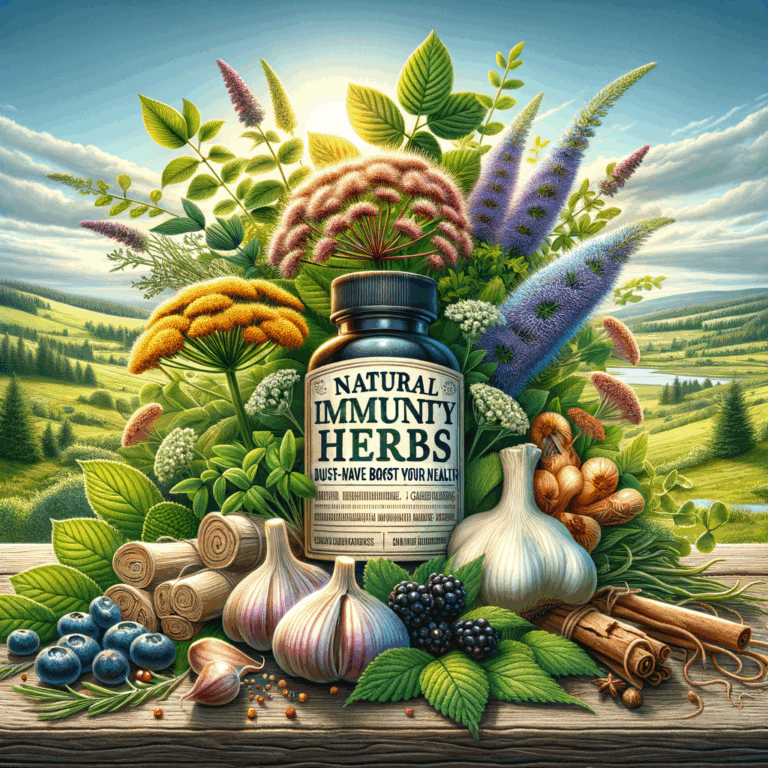
- Understanding Natural Immune Herbs
- Popular Natural Immune Herbs
- 1. Echinacea
- 2. Elderberry
- 3. Garlic
- 4. Ginger
- How to Use Natural Immune Herbs
- Suggested Combinations of Natural Immune Herbs
- Precautions and Considerations
- Frequently Asked Questions
- 1. Are natural immune herbs safe for everyone?
- 2. How long does it take to notice the benefits of these herbs?
- 3. Can I use these herbs daily?
- 4. Can I mix different types of herbs?
- 5. Are there side effects from using natural immune herbs?
- 6. How can I incorporate these herbs into my diet?
- 7. When is the best time to take these herbs?
- 8. What does scientific research say about these herbs?
- 9. Can children use natural immune herbs?
- 10. Where can I find these herbs?
- References
Understanding Natural Immune Herbs
Natural immune herbs play a crucial role in supporting your body’s defense mechanisms. They bolster your immune system, encouraging it to fight off infections and diseases more effectively. Incorporating these herbs into your routine can enhance overall health and vitality. Many cultures have relied on these plants for centuries, attesting to their medicinal properties.
These powerful herbs come with a wide array of benefits. They offer antioxidants, anti-inflammatory compounds, and other essential properties that promote wellness. Not only do they work on a cellular level, but they also contribute to various bodily functions. Let’s explore some must-have natural immune herbs that can strengthen your defense.
Popular Natural Immune Herbs
1. Echinacea
Echinacea is one of the most popular natural immune herbs. It has the ability to stimulate the immune system, making it a go-to for those looking to fend off colds and infections. Research suggests that Echinacea can reduce the duration and severity of respiratory infections.
You can consume Echinacea in several forms, such as teas, tinctures, and capsules. Incorporating it into your diet can provide a pleasant herbal flavor while boosting your immunity.
2. Elderberry
Elderberry is another powerhouse herb known for its immune-boosting properties. Rich in antioxidants, it helps reduce inflammation and enhances immune response. Studies indicate that elderberry may shorten the duration of flu symptoms when taken early on.
You can enjoy elderberry in syrups, jams, or as a supplement. Its sweet, tart flavor makes it a delightful addition to your wellness routine, especially during flu season.
3. Garlic
Garlic has been cherished for its healing properties for millennia. This natural immune herb is famous for its antiviral and antibacterial effects. The compound allicin contributes to garlic’s ability to improve immune function.
Incorporating garlic into your meals can be a tasty way to strengthen your immune system. Whether in raw, cooked, or supplement form, it doesn’t just add flavor; it enhances your overall health.
4. Ginger
Ginger is a versatile herb that offers numerous health benefits. Known for its anti-inflammatory and antioxidant properties, ginger can help support immune function and reduce the duration of illnesses. It may also soothe digestive issues and nausea.
Enjoy ginger in various forms, including teas, smoothies, or as a spice in your cooking. Its warm flavor adds depth to dishes, all while enhancing your health.
How to Use Natural Immune Herbs
Incorporating these herbs into your daily routine is easier than you might think. Here are some practical tips:
– Teas: Steeping the herbs in hot water is one of the simplest methods. You can mix different herbs for added benefits.
– Smoothies: Adding powdered forms of these herbs to your morning smoothie can boost your nutrient intake.
– Cooking: Spice up your meals with fresh or dried herbs, allowing you to enjoy their flavors while reaping their benefits.
Using natural immune herbs doesn’t require drastic changes in your lifestyle. Small, consistent additions to your diet can lead to significant improvements in your immune health.
Suggested Combinations of Natural Immune Herbs
| Herb | Key Benefits | Recommended Form |
|————|—————————————-|—————————|
| Echinacea | Stimulates immune response | Tea, tincture |
| Elderberry | Antiviral, shortens flu symptoms | Syrup, gummies |
| Garlic | Antibacterial, improves immune function | Raw, cooked, supplements |
| Ginger | Anti-inflammatory, aids digestion | Tea, cooking spice |
Precautions and Considerations
While many consider natural immune herbs safe, it’s essential to consult with a healthcare provider before starting any new herbal regimen. Certain herbs may interact with medications or be inappropriate for pregnant or nursing women. It’s crucial to assess individual health conditions and possible allergic reactions.
Additionally, remember that while herbs can boost your immunity, they should complement a healthy lifestyle. A balanced diet, regular exercise, and adequate sleep are equally important for maintaining good health.
Frequently Asked Questions
1. Are natural immune herbs safe for everyone?
Most natural immune herbs are safe for general use. However, consult your healthcare provider, especially if you are pregnant or on medication.
2. How long does it take to notice the benefits of these herbs?
The time varies for each person. Many experience improvements within a few days, while some may take weeks.
3. Can I use these herbs daily?
Yes, many people use these herbs daily. However, moderation is key. It’s best to rotate them to avoid potential sensitization.
4. Can I mix different types of herbs?
Absolutely! Many herbs work well together. Mixing different herbs can enhance their effects and provide a broader range of benefits.
5. Are there side effects from using natural immune herbs?
Generally, they have minimal side effects, but some people may experience digestive discomfort or allergic reactions. Always start with a small amount.
6. How can I incorporate these herbs into my diet?
Try herbal teas, smoothies, or add them to your meals. Most are versatile and can be used in various culinary applications.
7. When is the best time to take these herbs?
It depends on the herb. Some prefer to be taken at the onset of symptoms, while others can be taken regularly for preventive measures.
8. What does scientific research say about these herbs?
Numerous studies support the benefits of these herbs on immune health. Researchers continue to study their effects and potential applications.
9. Can children use natural immune herbs?
Some herbs are safe for children, such as elderberry. However, always consult a doctor before giving any herbal supplements to children.
10. Where can I find these herbs?
Many health food stores, pharmacies, or online shops sell natural immune herbs. Look for high-quality brands to maximize their benefits.
Incorporating natural immune herbs into your routine can be a proactive way to strengthen your health. Remember, these herbs should complement a healthy lifestyle. By integrating these powerful plants into your daily life, you can take a significant step toward bolstering your immune defenses.
References
1. National Center for Complementary and Integrative Health: Garlic
2. PubMed Central: Echinacea
3. WebMD: Elderberry
4. Healthline: Ginger
5. Mayo Clinic: Herbs and Supplements
These references provide reliable information regarding the effectiveness of the herbs discussed, and they can help deepen your understanding of how to naturally support your immune system.
About the Author