- Natural Immune Herbs: Your Secret Weapon for Better Health
- Understanding the Immune System
- Top Natural Immune Herbs to Consider
- How to Use These Herbs Daily
- Nutritional Benefits of Natural Immune Herbs
- Choosing the Right Herbal Products
- Precautions and Considerations
- Building a Holistic Health Routine
- Recognizing Signs of Weak Immunity
- Embracing Natural Immune Herbs for Lifelong Wellness
- Frequently Asked Questions
- References
Natural Immune Herbs: Your Secret Weapon for Better Health
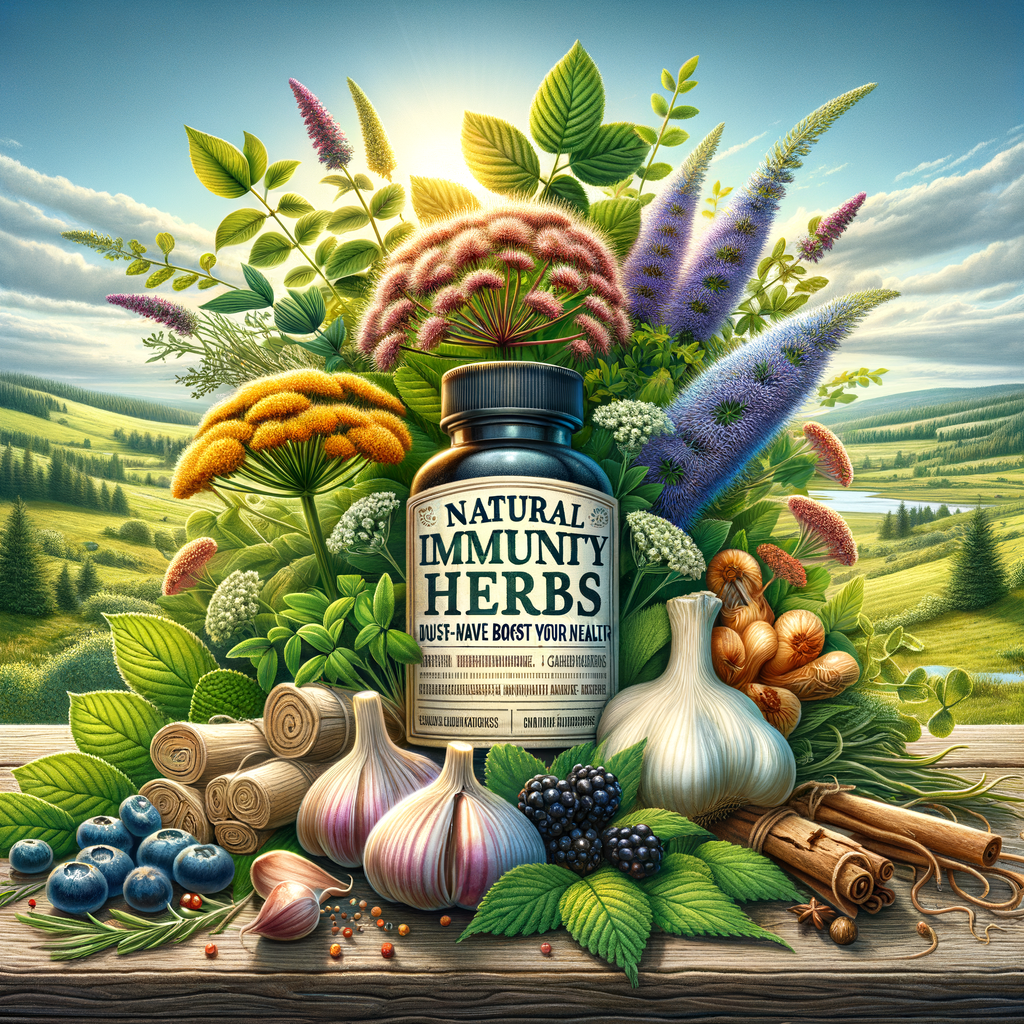
Natural immune herbs can provide a powerful boost to your health. These time-tested plants have been used for centuries to support and strengthen the immune system. Whether you’re looking to fend off colds, flu, or other pathogens, integrating these herbs into your daily routine could be a wise decision. Let’s explore how these herbs work, their benefits, and how to incorporate them into your life.
Understanding the Immune System
Our immune system works round-the-clock to defend against illness. It identifies and eliminates foreign invaders, such as bacteria and viruses. The immune response involves various cells, tissues, and organs, all coordinating in complex ways. Stress, poor diet, and lack of sleep can weaken this defense, making us more susceptible to illness.
Natural immune herbs offer essential nutrients and compounds that can enhance immune function and overall health. By supporting your immune system, you may not only reduce the risk of infection but also improve your overall well-being.
Top Natural Immune Herbs to Consider
When it comes to natural immune herbs, some stand out for their remarkable properties. Below is a list of herbs that can significantly benefit your health.
1. Echinacea
Echinacea is well-known for its immune-boosting properties. Research indicates that it can reduce the duration and severity of colds. Echinacea is commonly available in various forms, such as teas, tinctures, and capsules.
2. Elderberry
Elderberry is a popular choice for respiratory health. Packed with antioxidants, it helps fight infection by supporting the body’s immune defenses. Many people consume elderberry syrup during flu season for its potential protective effects.
3. Garlic
Garlic isn’t just a flavorful addition to meals; it’s also a powerful immune booster. Allicin, a compound found in garlic, possesses antibacterial and antiviral properties. Regular consumption may lower the risk of illness.
4. Ginger
Ginger has been praised for its anti-inflammatory and antioxidant effects. It can promote circulation and improve overall immune response. Adding fresh ginger to your diet can be as simple as brewing ginger tea or adding it to smoothies.
5. Turmeric
Turmeric contains curcumin, a potent antioxidant and anti-inflammatory compound. Its benefits extend to enhancing immune response and reducing inflammation. You can include turmeric in dishes or take it as a supplement.
How to Use These Herbs Daily
Integrating natural immune herbs into your daily routine can be both easy and enjoyable. Here are some practical suggestions:
– Teas and Infusions
Brew herbal teas with a combination of Echinacea, ginger, and turmeric. These warming drinks not only taste great but also deliver a host of health benefits.
– Smoothies
Blend elderberry syrup or ginger root into your morning smoothie. This adds flavor and enhances nutrient intake.
– Culinary Use
Use garlic and turmeric in your cooking. These ingredients can elevate the flavor profile of meals while contributing to your wellness.
– Supplements
If you prefer convenience, consider high-quality herbal supplements. Always consult a healthcare provider before starting any new supplement.
Nutritional Benefits of Natural Immune Herbs
Natural immune herbs often contain many beneficial compounds, which can support your health in various ways. Here is a table highlighting some key nutritional benefits:
| Herb | Key Nutrients | Benefits |
|————|————————-|—————————————|
| Echinacea | Polysaccharides | Reduced duration of colds |
| Elderberry | Vitamins A, C, B | Antioxidant protection |
| Garlic | Allicin, selenium | Antibacterial, antiviral effects |
| Ginger | Gingerol, antioxidants | Anti-inflammatory properties |
| Turmeric | Curcumin | Reduces inflammation, boosts immunity |
These herbs not only enhance your immune defenses but also offer other health benefits. Their antioxidant properties combat oxidative stress, helping you feel youthful and energetic.
Choosing the Right Herbal Products
Selecting the right herbs and supplements can be overwhelming. Here are a few tips to guide your choices:
1. Quality Matters
Look for reputable brands that provide third-party testing. Ensure that the products are free from additives and fillers.
2. Organic Options
Whenever possible, choose organic herbs. They are less likely to contain harmful pesticides and chemicals.
3. Consult Professionals
Speak with healthcare providers or herbalists. They can offer personalized recommendations based on your dietary needs and health conditions.
Precautions and Considerations
While natural immune herbs can be beneficial, they may not be suitable for everyone. Always consider the following:
– Allergies
Some people may have allergies or sensitivities to certain herbs. Always test with a small amount if trying for the first time.
– Medication Interactions
Herbs can interact with medications. Consult your doctor before introducing any new herbs, especially if you take prescription drugs.
– Pregnancy and Nursing
Some herbs may not be safe during pregnancy or while nursing. Always check with a healthcare provider.
Building a Holistic Health Routine
Incorporating natural immune herbs is just one part of achieving optimal health. A holistic approach combines diet, exercise, and mental well-being. Here are additional practices to consider:
– Balanced Diet
Focus on a diet rich in fruits, vegetables, whole grains, and lean proteins. A colorful plate can ensure you get various vitamins and minerals.
– Regular Exercise
Physical activity improves circulation and boosts immune function. Aim for at least 30 minutes of moderate exercise most days of the week.
– Mindfulness Practices
Techniques like yoga and meditation can reduce stress, which benefits your immune system. These practices can foster mental well-being.
Recognizing Signs of Weak Immunity
Being aware of your body can help you catch potential issues early. Here are some signs of a weak immune system:
– Frequent infections or illnesses
– Prolonged fatigue or weakness
– Slow healing of wounds
– Digestive issues
– Recurring cold sores or skin infections
If you notice these symptoms persistently, it may be time to consult a healthcare professional.
Embracing Natural Immune Herbs for Lifelong Wellness
Natural immune herbs serve as a great addition to your health regimen. They provide essential nutrients, enhance immune function, and support overall wellness. By weaving these herbs into your daily life, you could help maintain a robust immune system.
Taking proactive steps to incorporate these natural aids will not only empower your health but also enrich your lifestyle. From delicious herbal teas to nutritious smoothies, the possibilities are endless.
Frequently Asked Questions
1. How long does it take for natural immune herbs to work?
Effects can vary. Some may notice benefits within days, while others may take weeks for maximum impact.
2. Can I take multiple immune herbs together?
Yes, but consult a healthcare provider to avoid potential interactions.
3. Is it safe to use herbal supplements with prescription medications?
Always check with your doctor first; some herbs can interact with medications.
4. Are there side effects from using natural immune herbs?
Some people may experience allergies or digestive upset. It’s best to start with small amounts and monitor your body’s response.
5. Can children use these herbs?
Many herbs are safe for children, but consult a pediatrician for age-appropriate advice.
6. Does cooking affect the potency of these herbs?
Cooking can reduce some beneficial compounds, but using fresh herbs can still offer health benefits.
7. Are herbal teas effective for boosting the immune system?
Yes, herbal teas can provide antioxidants and other beneficial compounds that support immune health.
8. How should I store herbal supplements?
Keep them in a cool, dry place away from direct sunlight to maintain potency.
9. Can I grow these herbs at home?
Many natural immune herbs can be grown at home in pots or gardens, depending on your climate.
10. What’s the best time to take herbal supplements?
It varies per herb, but many people take them in the morning or before meals. Check specific guidance for each herb.
References
– National Center for Complementary and Integrative Health (NCCIH).
– Healthline: Benefits of Echinacea.
– WebMD: Elderberry Extract for Colds and Flu.
– Mayo Clinic: Garlic and the Immune System.
– Journal of Dietary Supplements: Curcumin’s Benefits.
Incorporating these natural immune herbs into your daily routine can offer a much-needed boost to your health. Embrace this journey towards improved immunity and overall well-being!
About the Author