- Stress Relief Herbal Tea: Your Ultimate Companion for Relaxation
- Benefits of Stress Relief Herbal Tea
- A Natural Approach to Calm
- A Flavorful Experience
- Popular Herbs for Stress Relief
- Chamomile
- Lavender
- Lemon Balm
- How to Prepare Stress Relief Herbal Tea
- Selecting the Right Ingredients
- Brewing Techniques
- Making It a Ritual
- Incorporating Stress Relief Herbal Tea in Your Lifestyle
- Morning Calm
- Afternoon Reboot
- Evening Wind Down
- Potential Side Effects
- Conclusion
- Frequently Asked Questions
- References
Stress Relief Herbal Tea: Your Ultimate Companion for Relaxation
Stress relief herbal tea is an excellent choice for those seeking a moment of calm in our hectic lives. In today’s fast-paced world, many people face daily stressors that can lead to anxiety and tension. Whether it’s work, relationships, or other responsibilities, the need for relaxation becomes essential. Stress relief herbal tea can offer a soothing experience that helps you unwind.
Choosing herbal tea as your stress reliever provides not only a tasty beverage but also a range of health benefits. Many herbs come with properties designed to calm the mind and soothe the body. Drinking this tea can transform your space into a sanctuary, making it a must-have in your daily routine.
Benefits of Stress Relief Herbal Tea
A Natural Approach to Calm
One of the main advantages of stress relief herbal tea is its natural composition. Unlike many stress-relief medications that may cause side effects, herbal teas rely on ingredients from nature. Herbs like chamomile and lavender have shown promise in promoting relaxation. These ingredients make the tea an appealing option for anyone looking to ease anxiety without chemical intervention.
A Flavorful Experience
Herbal teas come in various flavors, making them enjoyable for everyone. Whether you prefer a light chamomile infusion or a more robust peppermint brew, there is a stress relief herbal tea for you. Each type offers unique benefits, adding variety to your relaxation routine. Experimenting with different flavors can help you discover what works best for you while keeping your taste buds happy.
Popular Herbs for Stress Relief
Chamomile
Chamomile tea has long been renowned for its calming effects. This herb contains antioxidants that contribute to relaxation. Drinking chamomile tea before bed can help improve sleep quality, which is vital for stress management.
Lavender
Lavender is another powerhouse when it comes to stress relief. Its soothing aroma has been used in aromatherapy for centuries. When steeped in tea, lavender can relieve tension and promote a sense of peace.
Lemon Balm
Lemon balm is a member of the mint family and is known for its calming effects. It can help reduce anxiety and improve your mood. Adding lemon balm to your stress relief herbal tea collection can provide a refreshing twist with extra benefits.
How to Prepare Stress Relief Herbal Tea
Selecting the Right Ingredients
When making your tea, choose fresh or dried herbs that appeal to your senses. For beginners, pre-packaged herbal teas are accessible and convenient. Look for blends specifically marketed for stress relief to ensure you enjoy the maximum benefits.
Brewing Techniques
Brewing the perfect cup of stress relief herbal tea can enhance your experience. Here are some straightforward steps:
1. Measure the Ingredients: Use about one teaspoon of dried herbs or one tea bag per cup of water.
2. Boil Water: Heat water to just below boiling. Herbal teas often taste better at slightly lower temperatures.
3. Steep: Pour the hot water over the herbs or tea bag and let it steep for about 5-7 minutes. This allows the flavors and properties to fully infuse.
4. Enjoy: Strain the herbs if necessary, pour your tea into a cup, and relish the moment.
Making It a Ritual
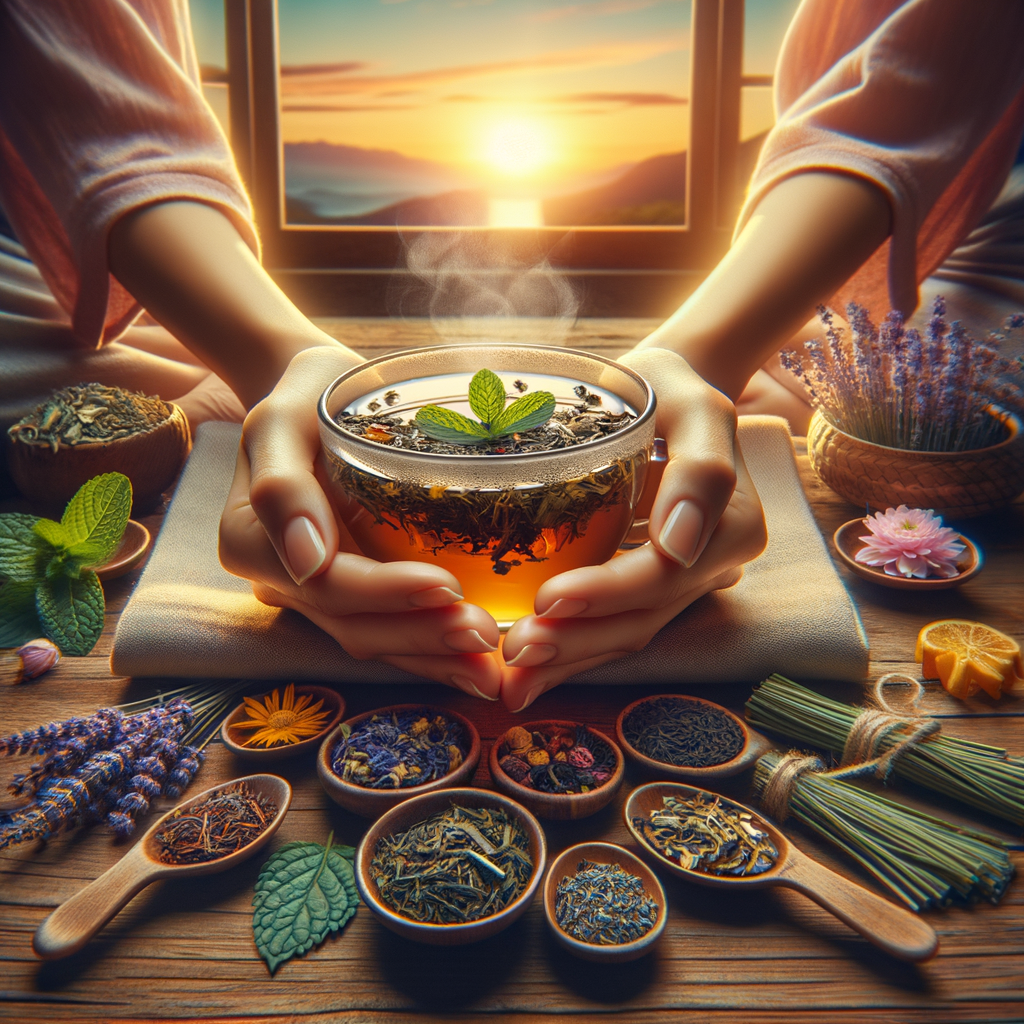
Integrating stress relief herbal tea into your daily routine can transform it into a sacred ritual. Set aside time every day to enjoy your tea without distractions. Create a cozy spot in your home, perhaps with cushions or a soft blanket. Add soft lighting or candles to elevate this tranquil experience further.
Combining this practice with mindfulness or meditation can magnify the benefits. Focus on your breath as you sip your tea, allowing your mind to wander freely. Embracing this moment can help clear your thoughts and ease tension.
Incorporating Stress Relief Herbal Tea in Your Lifestyle
Morning Calm
Start your day with a cup of stress relief herbal tea to set a positive tone. Many people gravitate toward coffee in the morning, but herbal tea can energize you differently. Opt for something uplifting like lemon balm or peppermint to kick-start your day.
Afternoon Reboot
Midday burnout often creeps in, leading to decreased energy. To combat this, consider a refreshing cup of herbal tea. Chamomile or lavender will not only calm your nerves but also recharge your focus.
Evening Wind Down
Nights can be challenging, especially after a long day. Brewing a cup of calming herbal tea before bed can signal to your body that it’s time to unwind. Incorporate it into your winding-down routine with a good book or some soft music.
Potential Side Effects
Though stress relief herbal tea has many benefits, it’s essential to be aware of potential side effects. Most herbal teas are safe for most people, but some individuals may experience allergic reactions or interactions with medications. Always consult your healthcare provider if you have concerns, especially if you’re pregnant or on medication.
Conclusion
Stress relief herbal tea serves as a comforting balm in a fast-paced world. By integrating it into your daily life, you invite a practice of relaxation that is beneficial not only for your mind but for your overall well-being. Enjoy experimenting with various herbs, and don’t hesitate to create rituals that enhance your experience. Ultimately, stress relief herbal tea can be the perfect addition to your relaxation toolkit, providing you with that much-needed escape.
Frequently Asked Questions
1. What is the best time to drink stress relief herbal tea?
– Evening is often the best time to enjoy it, especially before bed to promote relaxation and sleep.
2. Can I blend different herbs in my tea?
– Yes, blending herbs like chamomile and lemon balm can enhance the taste and benefits.
3. Does herbal tea have caffeine?
– Most herbal teas are naturally caffeine-free, making them ideal for relaxation.
4. Are there any side effects of herbal tea?
– While generally safe, some people may experience mild allergic reactions or digestive issues.
5. How often can I drink stress relief herbal tea?
– You can enjoy it daily, but moderation is key—aim for 1-3 cups.
6. Are there any specific brands known for stress relief herbal tea?
– Brands like Yogi, Traditional Medicinals, and Celestial Seasonings offer great options.
7. Can children drink stress relief herbal tea?
– Always consult a pediatrician before introducing any new herbal remedies to children.
8. What’s the difference between herbal tea and regular tea?
– Herbal tea comes from herbs, spices, fruits, and flowers, while regular tea usually comes from the Camellia sinensis plant.
9. Can I sweeten my herbal tea?
– Yes, honey, agave, or other sweeteners can enhance flavors without compromising the drink’s benefits.
10. How do I store herbal tea?
– Keep your herbal tea in an airtight container, away from light and moisture, to maintain freshness.
References
– Healthline on Chamomile Tea: healthline.com
– WebMD on Lavender: webmd.com
– National Center for Complementary and Integrative Health: nccih.nih.gov
About the Author