- Understanding Stress Relief Herbal Tea
- Why Choose Herbal Teas?
- Popular Ingredients in Stress Relief Herbal Tea
- The Science Behind Herbal Teas
- Preparing Your Herbal Tea
- Creating Your Own Blends
- Calm Nights Blend
- Tips for Incorporating Herbal Tea into Your Routine
- Embracing the Experience
- The Role of Mindfulness in Stress Relief
- Frequently Asked Questions
- Conclusion
- References
Understanding Stress Relief Herbal Tea
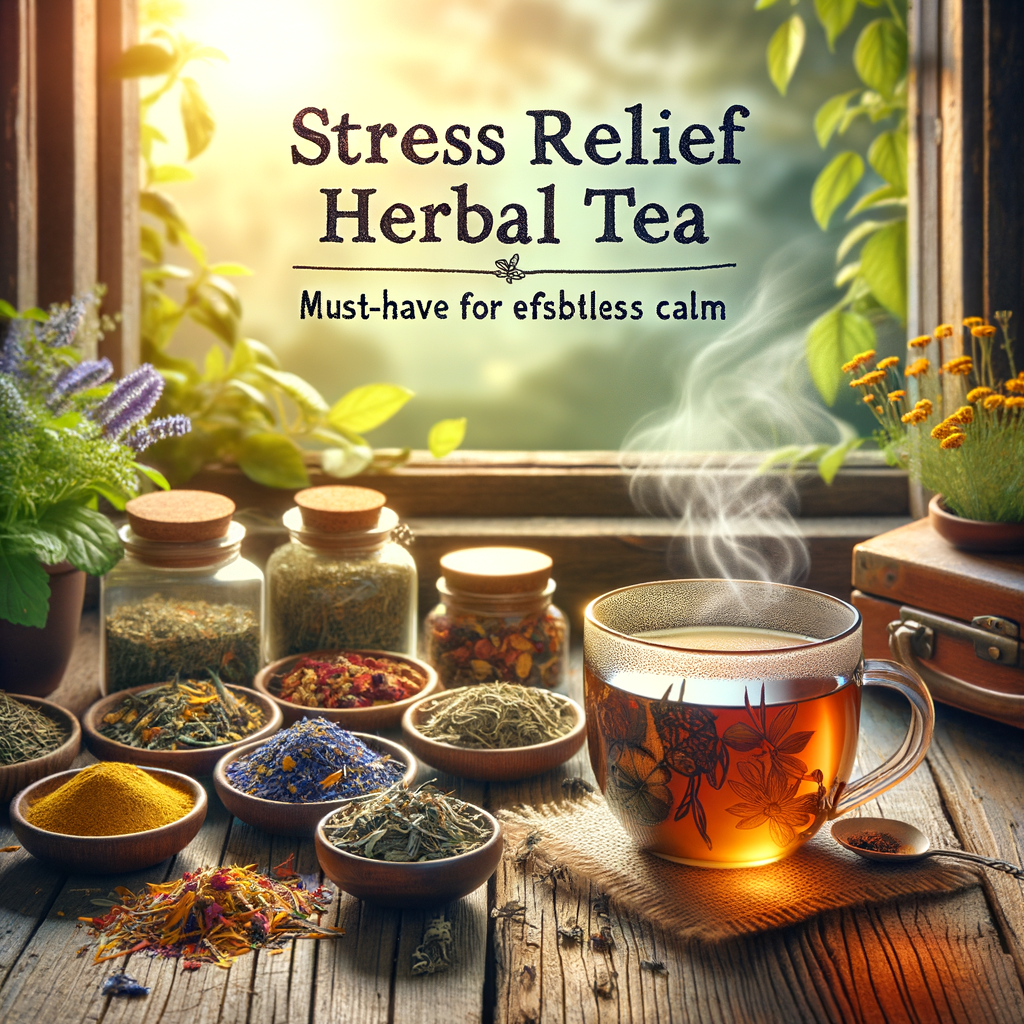
Stress relief herbal tea has become a wellness staple for many people around the world. It’s not just a comforting drink; it’s a ritual that many cherish. Herbal teas, made from a variety of plants, can help soothe the mind and body. They have unique properties that can ease tension, promote relaxation, and even improve sleep.
Most importantly, stress relief herbal tea acts as a natural remedy. Unlike many over-the-counter medications, it typically has fewer side effects. Incorporating these herbal blends into your daily routine can lead to a healthier lifestyle. Whether it’s before bed or during a hectic workday, a warm cup can provide the tranquility you seek.
Why Choose Herbal Teas?
Herbal teas offer several benefits that make them a fantastic choice for stress relief. They are steeped in tradition, with ancient cultures relying on plant-based remedies for centuries. Scientific studies now back many of these claims. For instance, chamomile tea is often known for its calming effects. Drinking it before bed can significantly improve sleep quality.
Besides, herbal teas are packed with antioxidants. These compounds help fight off free radicals in the body, enhancing overall health. Consuming herbal tea regularly may even boost your immune system, allowing you to better cope with stressors.
Popular Ingredients in Stress Relief Herbal Tea
Various herbs contribute to the calming effects of these teas. Here’s a breakdown of some popular ingredients:
| Ingredient | Benefits |
|—————|—————————————————————|
| Chamomile | Known for its soothing properties and can help with insomnia. |
| Lavender | Reduces anxiety and promotes relaxation through its aroma. |
| Lemon Balm | Has mood-boosting qualities and can alleviate stress. |
| Passionflower | Helps reduce anxiety and promotes restful sleep. |
| Valerian Root | Often used for its sedative effects to improve sleep quality. |
By combining different herbs, you can create your unique blend tailored to your preferences and needs.
The Science Behind Herbal Teas
Many studies highlight the efficacy of herbal teas for stress relief. For example, chamomile tea can lower cortisol levels, a hormone linked to stress. A study published in the Journal of Clinical Psychopharmacology found that regular chamomile intake significantly reduced anxiety symptoms.
Moreover, herbal teas can influence neurotransmitters in the brain. Ingredients like passionflower interact with gamma-aminobutyric acid (GABA), a neurotransmitter that helps regulate mood. This action increases relaxation and reduces feelings of stress.
Preparing Your Herbal Tea
Brewing the perfect cup of stress relief herbal tea can elevate your experience. Start with fresh, high-quality ingredients for the best flavor. Use water that is just below boiling to avoid scalding the herbs.
Here are some simple steps to brew your tea:
1. Measure the Herbs: Use about one teaspoon of dried herbs per cup of water. Fresh herbs may need a bit more.
2. Heat Water: Bring water to just below boiling. If you’re unsure, take it off the heat just before it begins to boil.
3. Steep: Pour the hot water over the herbs and let it steep for about 5-10 minutes. The longer you steep, the stronger the flavor will be.
4. Strain: Use a fine mesh strainer to separate the herbs from the liquid.
5. Enjoy: Add honey or a squeeze of lemon for extra flavor, if desired.
Creating Your Own Blends
Mixing different herbs can create personalized stress relief herbal tea blends. Try combining chamomile with lavender for a calming effect, or lemon balm with valerian root for improved sleep. Here’s a simple recipe you can try:
Calm Nights Blend
– 1 tsp Chamomile
– 1 tsp Lavender
– 1 tsp Lemon Balm
– 1 tsp Valerian Root
Follow the brewing steps mentioned above. This blend can be particularly soothing before bedtime.
Tips for Incorporating Herbal Tea into Your Routine
Integrating stress relief herbal tea into your lifestyle doesn’t need to be complicated. Here are some easy ways to do it:
1. Morning Ritual: Start your day with a warm cup to set a relaxed tone.
2. Midday Break: Take a short break during your workday to enjoy a calming cup.
3. Evening Wind Down: Replace your usual evening beverage with herbal tea to prepare for restful sleep.
Embracing the Experience
Drinking stress relief herbal tea is not just about the beverage itself; it’s about creating a moment of mindfulness. Take a few deep breaths before sipping to enhance the calming effects. Try to focus on the flavors and aromas, allowing yourself to unwind fully.
The Role of Mindfulness in Stress Relief
Mindfulness can significantly enhance your tea drinking experience. Instead of multitasking, dedicate this time solely to enjoying your tea. This simple act can help reduce stress and improve your mood.
Frequently Asked Questions
Q1: How often can I drink stress relief herbal tea?
You can enjoy herbal tea multiple times a day. However, limit valerian root tea to avoid excessive sedation.
Q2: Can I add other ingredients to my herbal tea?
Absolutely! Feel free to personalize your tea with honey, lemon, or spices like cinnamon for added flavor.
Q3: Are there any side effects?
Most herbal teas are safe, but some may cause allergies or interact with medications. Always consult a healthcare provider if you’re unsure.
Q4: Can children drink stress relief herbal teas?
Some herbal teas are safe for children, but always consult their pediatrician beforehand.
Q5: How should I store my herbal tea?
Keep herbal tea in a cool, dry place away from direct sunlight. Use airtight containers to maintain freshness.
Q6: Can I drink herbal tea while pregnant?
Certain herbs are unsafe during pregnancy. Consult your healthcare provider to ensure it’s safe for you.
Q7: What is the best time to drink herbal tea for stress relief?
Many find it beneficial to drink it in the morning or evening, but any time can work based on your preference.
Q8: Can I make iced herbal tea?
Absolutely! Brew your tea as usual and let it cool, then serve over ice for a refreshing drink.
Q9: Do all herbal teas provide stress relief?
Not all herbs are designed for stress relief. Focus on those specifically known for their calming properties.
Q10: Where can I find quality herbs for tea?
Look for organic brands in health food stores or reputable online retailers to ensure quality.
Conclusion
Incorporating stress relief herbal tea into your daily routine can lead to profound changes in your well-being. These natural remedies provide a simple, enjoyable way to combat stress effectively. By exploring different blends and developing your rituals, you’ll find what works best for you. Ultimately, embracing this calming tradition can pave the way for a more balanced, serene life.
References
– http://www.ncbi.nlm.nih.gov/pmc/articles/PMC3592440/
– http://www.ncbi.nlm.nih.gov/pmc/articles/PMC5620286/
– https://www.healthline.com/nutrition/chamomile-tea-benefits
– https://www.medicalnewstoday.com/articles/320394
– https://www.webmd.com/vitamins/ai/ingredientmono-822/lavender
About the Author